Antarctic temperatures climbed significantly above seasonal averages in early June, with parts of the Antarctic Peninsula recording anomalies reaching up to 20 degrees Celsius above normal levels. This sharp, short-term warming event occurred as the region transitioned into the austral winter, highlighting the increasing volatility of polar weather patterns in a changing climate, according to data monitored by the European Union’s Copernicus Climate Change Service.
The spike in temperatures, while brief, serves as a stark reminder of the sensitivity of the Antarctic cryosphere to atmospheric disturbances. While winter temperatures in the Antarctic Peninsula typically hover well below freezing, these anomalous thermal events can disrupt the formation of sea ice and influence local ecosystem stability. Experts emphasize that such deviations, while not unprecedented, are becoming a focal point for researchers studying the long-term trajectory of the Southern Ocean’s climate.
Understanding Antarctic Temperature Anomalies
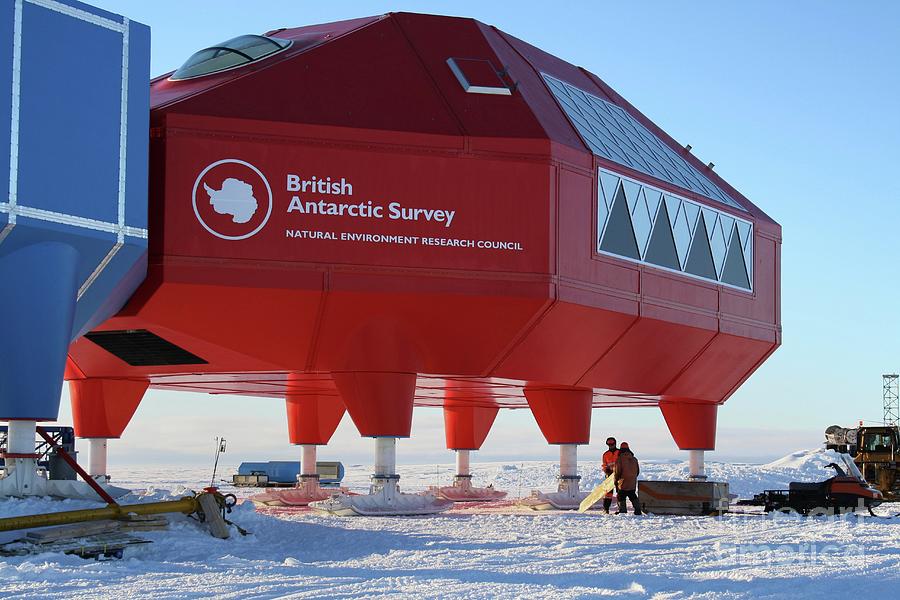
The recent thermal surge was characterized by a rapid influx of warmer air masses moving toward the Antarctic Peninsula. According to the British Antarctic Survey, the peninsula is one of the most rapidly warming regions on the planet, making it highly susceptible to these atmospheric “heat pulses.” During the first week of June, temperatures in specific sectors of the peninsula spiked, creating a stark departure from the historical baseline for the onset of the austral winter.
These anomalies are often driven by changes in the Southern Annular Mode (SAM) and the strength of the polar vortex. When the westerly winds shift or weaken, they allow warmer air from lower latitudes to penetrate further south than usual. This process is not a permanent state but a temporary weather pattern that nonetheless underscores the vulnerability of the ice shelves in the region, which are critical for moderating global sea levels.
Broader Implications for the Southern Ocean
The impact of such temperature spikes extends beyond mere meteorological records. Sea ice extent is a primary concern for the scientific community, as it provides a critical habitat for krill and other marine life. As noted by the National Snow and Ice Data Center, the presence of sea ice in the winter months is vital for the survival of species endemic to the Southern Ocean. A persistent failure of sea ice to form, or its early melting due to warm air intrusion, creates a cascading effect through the food web.
Furthermore, the warming of the Antarctic Peninsula affects the stability of floating ice shelves. When warmer air persists, it can lead to surface melting, which creates meltwater ponds. These ponds can contribute to the structural weakening of ice shelves through a process known as hydrofracturing. While a single warm week in June does not immediately trigger catastrophic ice loss, the frequency of these events is a metric that polar scientists continue to monitor closely.
Climate Context and Scientific Monitoring
Global climate models have long predicted that the polar regions would experience amplified warming compared to the rest of the world, a phenomenon known as polar amplification. According to the World Meteorological Organization, the Antarctic remains a complex environment where natural variability often masks long-term trends. However, the consistent observation of extreme temperature events in recent years has prompted a more granular analysis of how atmospheric circulation patterns are evolving.
Researchers at various international research stations across the peninsula utilize automated weather stations to capture these fluctuations in real-time. These stations provide the raw data necessary to distinguish between natural “weather noise” and signals of systemic climate change. As we look toward the remainder of the austral winter, the scientific community remains focused on whether these early-season spikes will be followed by more stable, colder conditions or if they signify a shift in the regional climate regime.
Practical Information for Researchers and Observers
For those tracking these developments, the most reliable information is disseminated through official meteorological agencies and regional polar research bodies. The Scientific Committee on Antarctic Research (SCAR) acts as a primary hub for international collaboration on these issues. Researchers looking for historical data or current observational logs can access resources provided by the Antarctic Meteorological Research and Data Center, which maintains comprehensive records of temperatures and wind speeds across the continent.

The next major assessment of Antarctic climate conditions is expected later this year, as the seasonal sea ice maximum is measured and the winter data is compiled by international climate monitoring bodies. Public interest in polar climate science continues to grow, and staying informed through verified, peer-reviewed sources remains the best approach to understanding these complex environmental phenomena. We welcome your thoughts on the implications of these findings below; please share this report to help foster a more informed conversation on global climate trends.
Worth a look
- SDIS Haute-Vienne President Calls for National Law on Firefighter Resourcing
- China Securities Regulatory Commission Investigates *ST Chuahua Executives and Affiliates
- Dow Hits Record High as US-Iran Tensions Ease and Amazon Tops $3 Trillion (time.news)
- Why Your Windshield Frosts Over When It's Above Freezing (daybreakwire.com)