
For elite athletes, the boundary between professional ambition and personal tragedy is often paper-thin. Anthony Joshua, the two-time former unified world heavyweight champion, has spent much of his career under the intense glare of the global spotlight. However, recent months have seen the British boxer navigate a profound personal challenge that transcends the squared circle. Following the tragic passing of two close friends in a fatal road accident in December, the heavyweight contender has spoken candidly about the role of his sport in his healing process.
In a sport defined by physical confrontation and stoic resilience, Joshua’s admission that he never considered walking away from boxing provides a rare look at the mental fortitude required at the highest level of professional athletics. For Joshua, boxing is not merely a career or a pursuit of titles; it is, as he describes it, his “purpose.” This perspective offers insight into how high-performance athletes process grief while remaining tethered to the rigorous demands of their craft.
Finding Purpose Amidst Personal Loss
The loss of two close companions is a harrowing experience for anyone, but for a public figure of Joshua’s stature, the grief is often compounded by the expectations of training camps and the scrutiny of the media. Reports confirm the accident occurred in December, a period that would typically see the fighter preparing for future bouts. Despite the emotional weight of the tragedy, Joshua maintained his commitment to training, viewing the gym as a space of stability rather than an obligation he wished to abandon.
According to interviews conducted by major media outlets, Joshua emphasized that the structure provided by boxing is fundamental to his identity. By remaining active, he avoids the void that can follow such life-altering events. This disciplined approach is consistent with the mental conditioning required to stand as a heavyweight champion, where the ability to compartmentalize and focus under pressure is a prerequisite for survival in the ring.
The Mental Toll of Professional Boxing
The psychological demands on modern athletes are increasingly recognized as a critical component of professional success. For a boxer, the transition from the isolation of a training camp to the roar of a sold-out arena requires a unique psychological architecture. When an athlete faces trauma, the sport often serves as a double-edged sword: it provides a necessary distraction, yet it forces the athlete to maintain a high level of intensity when they might otherwise prefer to withdraw.
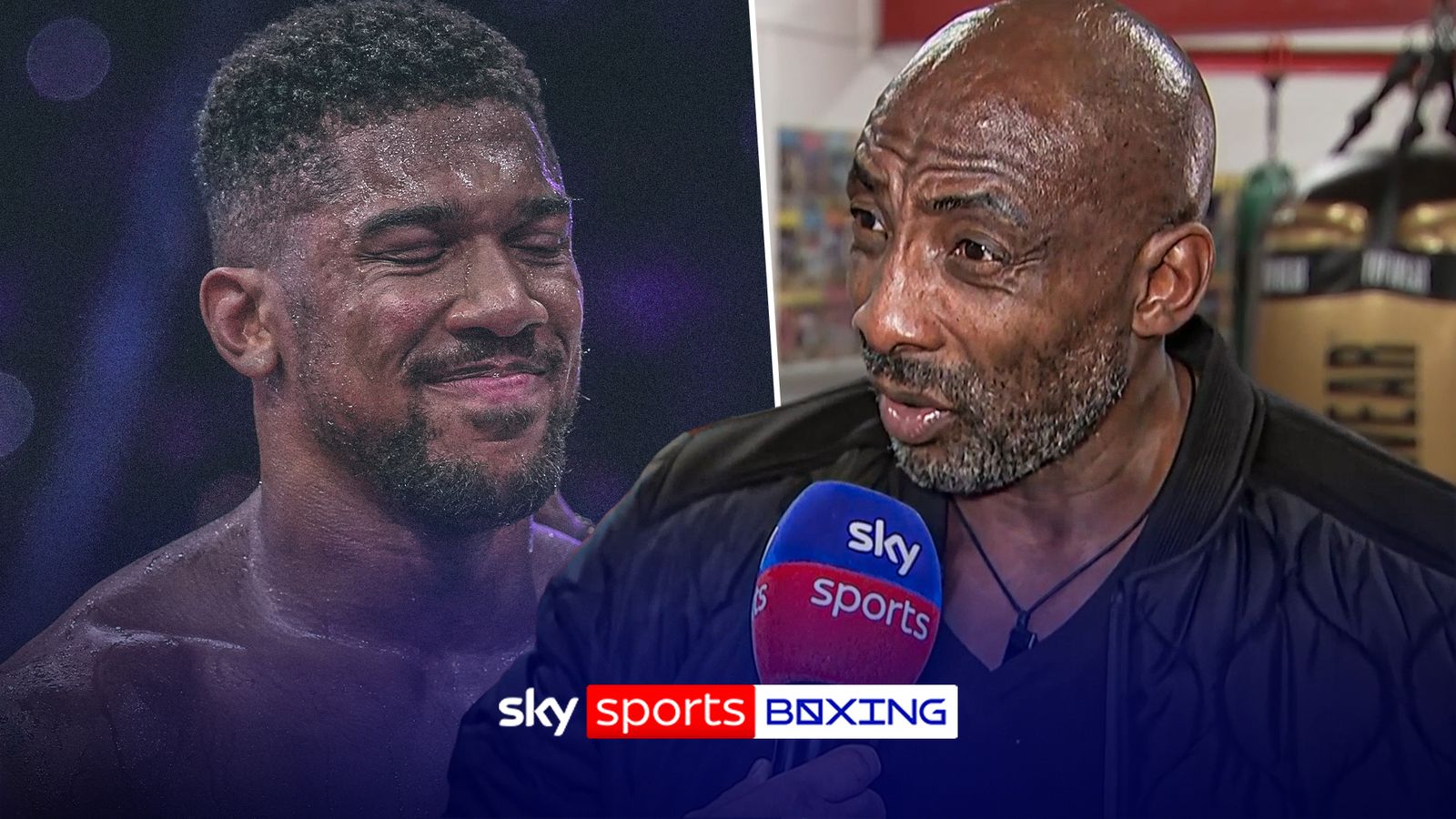
Joshua’s career has been characterized by its peaks and valleys, from his Olympic gold medal success at London 2012 to his various championship defenses and setbacks. Throughout this journey, he has consistently maintained a disciplined public persona. His choice to view boxing as his “purpose” underscores a philosophical commitment to his path, suggesting that for Joshua, the sport is the medium through which he processes his life’s challenges. This is a sentiment shared by many elite competitors who find that the rhythm of daily training helps to sustain them through periods of intense personal turmoil.
The Role of Resilience in Heavyweight Boxing
The heavyweight division remains the premier stage in combat sports, drawing massive global interest and requiring a level of dedication that is tough for outsiders to fully comprehend. The physical toll of training—often involving thousands of rounds of sparring, conditioning, and technical drills—is grueling. When grief is added to this equation, the capacity to continue is a testament to the athlete’s internal drive.
Experts in sports psychology often note that for individuals who have dedicated their entire adult lives to a single pursuit, that pursuit becomes an essential part of their coping mechanism. When Joshua speaks of his purpose, he is acknowledging that his identity is deeply intertwined with his professional role. This is not necessarily an avoidance of grief, but rather a way of integrating his professional responsibilities into his broader human experience.
What Lies Ahead for Anthony Joshua
As Joshua continues his career, the focus remains firmly on his next steps in the heavyweight landscape. The division is currently in a state of flux, with various contenders vying for supremacy and title opportunities. For Joshua, the path forward involves maintaining the high standards that brought him to the top of the sport, while continuing to manage the personal impact of the loss he endured late last year.
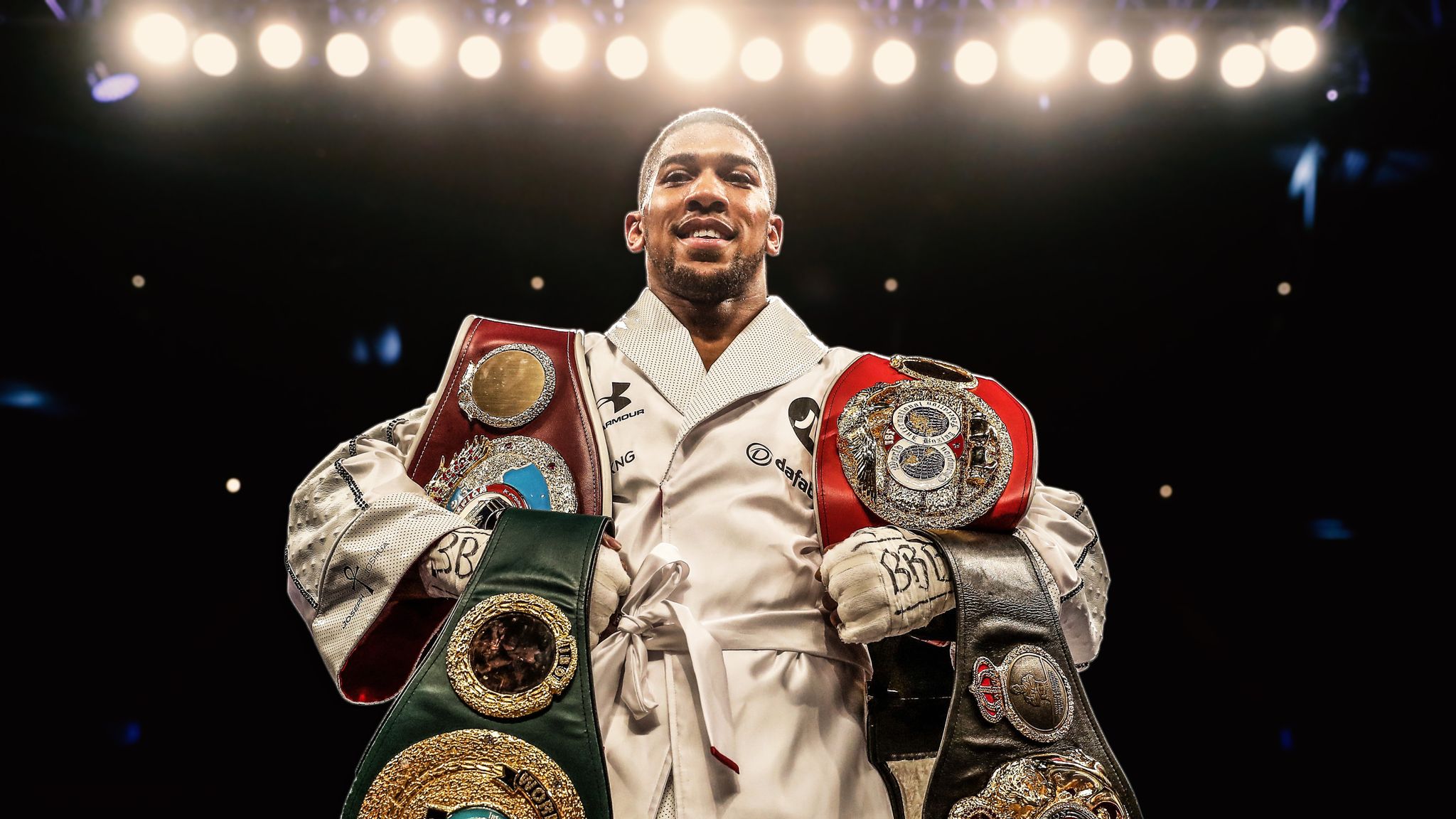
The International Boxing Federation and other governing bodies continue to oversee the rankings that dictate the trajectory of top-tier fighters. For fans, the expectation is that Joshua will return to the ring with the same tactical acumen and power that have defined his career. However, the narrative surrounding his return will undoubtedly be colored by the events of the past few months, highlighting the humanity of an athlete who, despite his immense fame, faces the same universal challenges of loss and recovery as any other person.
Looking ahead, the boxing community anticipates official announcements regarding upcoming bouts and training schedules. These updates are typically managed through official team channels and verified promotional platforms. Fans seeking the most accurate information regarding his next appearance in the ring should monitor these official sources to avoid speculation common in combat sports reporting.
In the aftermath of such a difficult period, Joshua’s commitment to his craft serves as a reminder of the resilience required to remain at the pinnacle of professional sports. Whether he is training in the gym or preparing for a championship fight, his focus remains clear. As he moves forward, the support of his team and his fans will likely play a significant role in his continued journey. We invite our readers to share their thoughts on the role of resilience in sports in the comments section below, and to stay tuned for further updates as they become available.
Related reading