
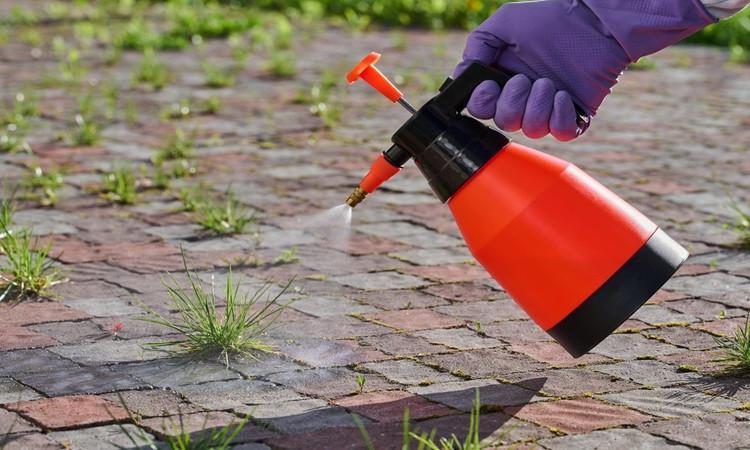
Recent research indicates a potential link between the use of glyphosate-based herbicides and the development of antibiotic resistance in certain bacteria. While glyphosate is primarily utilized as a weed control agent in agricultural settings, scientists are investigating whether exposure to this chemical can induce physiological changes in bacteria, potentially accelerating their ability to survive common medical treatments. This concern emerges amid a broader global rise in multidrug-resistant organisms, which public health officials track as a significant threat to clinical outcomes.
The intersection of environmental chemical exposure and microbial resistance is a subject of ongoing study within the microbiology community. According to data from the Centers for Disease Control and Prevention (CDC), antimicrobial resistance (AMR) remains a persistent challenge, with resistant pathogens frequently identified both within hospital environments and in community settings. The hypothesis that agricultural chemicals might contribute to this resistance profile is currently being examined to determine if sub-lethal exposure to herbicides creates selective pressure on bacterial populations, favoring the survival of resistant strains.
Understanding the Mechanism of Antibiotic Resistance
Antibiotic resistance occurs when bacteria evolve mechanisms to neutralize or bypass the drugs designed to eliminate them. This process is often driven by the overuse or misuse of antibiotics in human medicine and livestock production. However, researchers are now looking beyond traditional clinical drivers to consider environmental factors. When bacteria are exposed to stressors—such as chemical herbicides—they may undergo genetic mutations or horizontal gene transfer, processes that can inadvertently confer resistance to antibiotics as well.
The World Health Organization (WHO) classifies antimicrobial resistance as one of the top ten global public health threats facing humanity. The emergence of “superbugs,” such as certain strains of Klebsiella pneumoniae, has raised alarms among clinicians. These bacteria, which can cause severe respiratory and bloodstream infections, have demonstrated an increasing ability to resist carbapenems, a class of antibiotics often reserved for critical, multi-drug resistant infections.
Community Spread and Clinical Challenges
Historically, drug-resistant infections were primarily associated with hospital stays, where patients are often more vulnerable and exposed to a high volume of antibiotics. Recent surveillance, however, shows that resistant bacteria are increasingly present in the general population. This trend complicates standard treatment protocols, as physicians can no longer assume that community-acquired infections will respond to first-line antibiotic therapies.
The shift of these pathogens from clinical settings into the community necessitates a more comprehensive approach to public health surveillance. When a patient presents with a persistent infection, clinicians must now consider a broader range of resistant organisms. The potential environmental contribution to this phenomenon, including the role of common agricultural chemicals, is being scrutinized by researchers to understand the full scope of how resistance spreads across different ecosystems.
Future Research and Public Health Strategy
Distinguishing between the various drivers of antibiotic resistance is essential for developing effective mitigation strategies. While the primary driver of resistance remains the clinical use of antibiotics, the scientific community continues to gather data on the long-term impact of widespread herbicide use. Rigorous peer-reviewed studies are required to establish a definitive causal link between specific chemical concentrations in the environment and the rate of resistance development in human pathogens.

Public health authorities continue to emphasize the importance of antibiotic stewardship and infection control as the most effective tools for slowing the progression of resistance. Ongoing monitoring by agencies such as the European Centre for Disease Prevention and Control (ECDC) provides the framework for tracking these trends. As research progresses, these organizations will likely incorporate new findings regarding environmental chemical interactions into their broader guidance for healthcare providers and agricultural regulators.
The next major update regarding global AMR surveillance is expected in the upcoming annual reports from international health bodies, which synthesize data on pathogen resistance profiles from clinics worldwide. Readers are encouraged to monitor updates from official public health channels regarding local resistance patterns and guidelines for responsible antibiotic use.