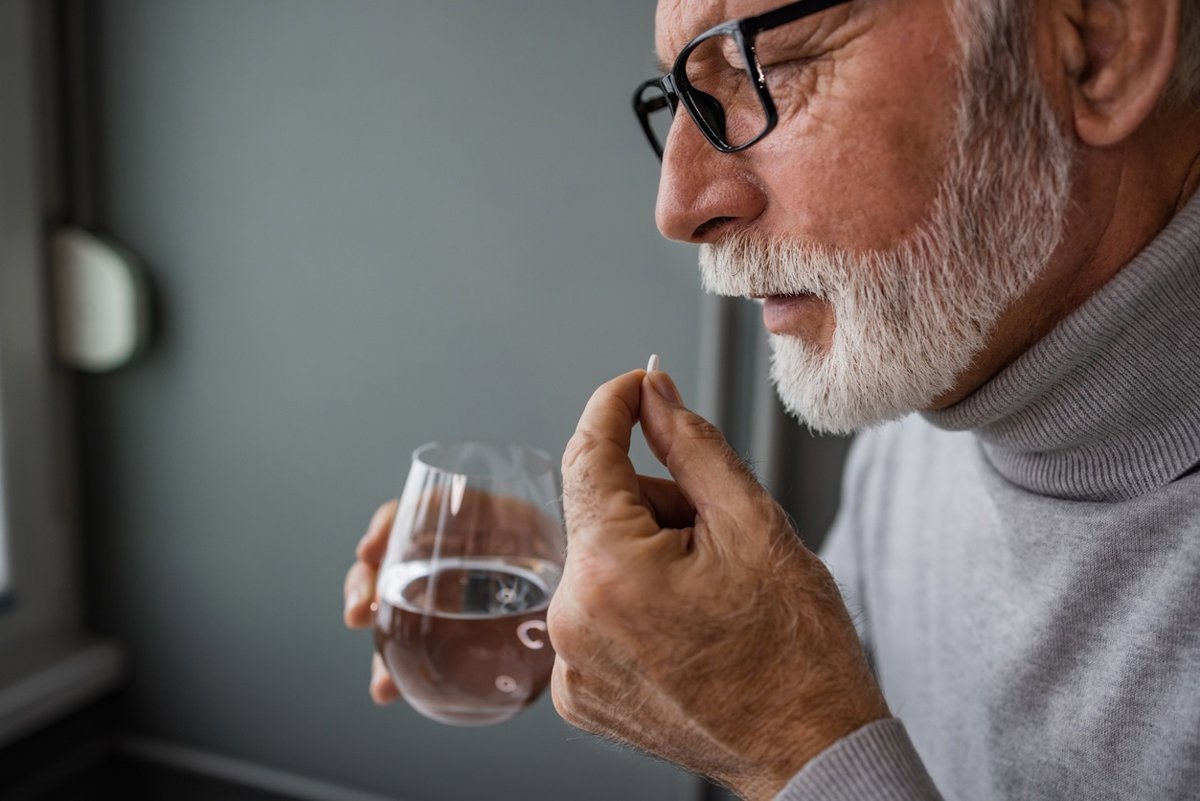
The risk of blood clots, known as thromboembolism, is a significant concern for individuals battling cancer, representing the second leading cause of death in this population, surpassed only by the cancer’s progression itself. Anticoagulants, or blood thinners, are a cornerstone of treatment and prevention. Yet, navigating anticoagulant therapy can be particularly complex for patients with advanced prostate cancer, as laboratory studies have suggested potential interactions between androgen receptor pathway inhibitors – a common treatment for this form of the disease – and direct oral anticoagulants (DOACs). Now, a latest study offers reassuring evidence, indicating that these previously identified laboratory concerns may not translate into increased bleeding risk for patients in clinical practice.
Researchers at the University of Ottawa, Canada, investigated the real-world safety of combining androgen receptor pathway inhibitors with various types of anticoagulants. Their findings, published in the peer-reviewed journal CANCER, a publication of the American Cancer Society, suggest that the use of DOACs does not appear to elevate the risk of either bleeding or clotting in men with advanced prostate cancer. This research provides valuable insight for clinicians and patients navigating the complexities of cancer treatment and thrombotic risk management.
Understanding the Concern: Androgen Receptor Inhibitors and Anticoagulation
Prostate cancer is the most common cancer in men worldwide, with an estimated 1.4 million new cases diagnosed in 2020, according to the World Health Organization. Advanced prostate cancer often relies on androgen receptor pathway inhibitors – including drugs like enzalutamide, apalutamide and abiraterone – to block the effects of male hormones that fuel cancer growth. However, pre-clinical laboratory studies raised concerns that these inhibitors might interact with DOACs, potentially increasing the risk of bleeding complications. This prompted the need for robust clinical investigation to determine whether these laboratory findings held true in actual patient populations.
Thromboembolism, the formation of a blood clot that travels through the bloodstream and blocks a vessel, is a serious complication of cancer. Cancer itself, as well as many cancer treatments, can increase the risk of blood clots. Anticoagulants are prescribed to prevent these clots from forming or growing, reducing the risk of life-threatening events like pulmonary embolism (a clot in the lungs) or deep vein thrombosis (a clot in a leg). The challenge lies in balancing the need for effective anticoagulation with the potential for bleeding, especially when patients are already taking multiple medications.
The Ottawa Study: A Retrospective Analysis
To address the concerns raised by laboratory studies, the research team at the University of Ottawa conducted a retrospective population-based analysis. They examined the medical records of 2,997 Canadian men diagnosed with prostate cancer between 2012 and 2023. All patients were prescribed anticoagulants – either DOACs or traditional non-DOAC anticoagulants – in conjunction with either enzalutamida or apalutamide. The study aimed to determine if there was a statistically significant difference in the risk of coagulation or bleeding between those receiving DOACs and those receiving other types of anticoagulants.
The researchers found no evidence of an increased risk of clotting in patients taking DOACs compared to those not taking DOACs. Similarly, no increased risk of bleeding was observed when comparing the DOAC and non-DOAC groups combined with abiraterone. These findings suggest that the previously identified pharmacokinetic interactions between androgen receptor pathway inhibitors and DOACs may not translate into clinically significant adverse outcomes for patients.
“As clinicians, we constantly grapple with choosing the optimal anticoagulant option for our patients,” explains Dr. Tzu-Fei Wang, the lead author of the study from the University of Ottawa and the Ottawa Hospital and Ottawa Hospital Research Institute. “This complexity is amplified in cancer patients who are often on multiple medications, including cancer therapies, which could potentially lead to concerning drug interactions.” Dr. Wang emphasizes that the study’s results can provide reassurance to both physicians and patients, fostering greater confidence in the combined administration of anticoagulation and modern prostate cancer treatments.
Understanding DOACs and Traditional Anticoagulants
Direct oral anticoagulants (DOACs), such as rivaroxaban, apixaban, edoxaban, and dabigatran, are a newer class of blood thinners that directly inhibit specific clotting factors. They offer several advantages over traditional anticoagulants like warfarin, including predictable dosing, fewer drug interactions, and no routine blood monitoring. However, concerns about potential interactions with other medications, like androgen receptor pathway inhibitors, have prompted careful evaluation of their safety in specific patient populations. Warfarin, a vitamin K antagonist, requires regular monitoring of the international normalized ratio (INR) to ensure appropriate anticoagulation levels. The choice between DOACs and traditional anticoagulants is often individualized, taking into account patient-specific factors and potential drug interactions.
Implications for Clinical Practice and Future Research
The findings of this study have important implications for clinical practice. They suggest that physicians can sense more confident prescribing DOACs to men with advanced prostate cancer who require anticoagulation, without undue concern about increased bleeding risk. This is particularly relevant given the increasing use of androgen receptor pathway inhibitors in the treatment of this disease. However, the researchers emphasize that careful clinical judgment remains essential. Individual patient factors, such as kidney function, other medical conditions, and concomitant medications, should always be considered when making treatment decisions.
While this study provides reassuring evidence, further research is warranted to confirm these findings in larger and more diverse patient populations. Prospective clinical trials, which follow patients forward in time, could provide even stronger evidence of the safety and efficacy of DOACs in this setting. Research is needed to identify specific patient subgroups who may be at higher risk of bleeding or clotting, allowing for more personalized anticoagulation strategies.
The American Cancer Society estimates that about 1 in 8 men will be diagnosed with prostate cancer during their lifetime. Effective management of thromboembolic risk is crucial for improving the quality of life and overall survival of these patients. This study represents a significant step forward in our understanding of the complex interplay between cancer treatment, anticoagulation, and patient safety.
– ISTOCK – Archivo
Key Takeaways
- A new study found no increased risk of bleeding or clotting in men with advanced prostate cancer taking direct oral anticoagulants (DOACs) alongside androgen receptor pathway inhibitors.
- The findings challenge previous laboratory concerns about potential drug interactions between these medications.
- Clinicians can feel more confident prescribing DOACs to appropriate patients with prostate cancer requiring anticoagulation.
- Further research is needed to confirm these findings in larger and more diverse populations.
The research team plans to continue investigating the optimal anticoagulation strategies for cancer patients, with a focus on personalized medicine approaches that tailor treatment to individual risk factors. Ongoing monitoring of clinical outcomes and continued research will be essential to refine our understanding of this complex area and ensure the best possible care for patients with cancer and thromboembolic risk.
If you have concerns about your risk of blood clots or are considering anticoagulation therapy, please consult with your healthcare provider. This article is for informational purposes only and should not be considered medical advice.