
French health authorities have issued a formal safety warning regarding the use of neuroleptics, also known as antipsychotics, due to their association with severe, potentially life-threatening constipation. The French National Agency for the Safety of Medicines and Health Products (ANSM) reports that these medications, frequently prescribed for conditions such as schizophrenia and bipolar disorder, can significantly slow intestinal transit, leading to complications that require urgent medical intervention. According to the ANSM safety advisory, patients and healthcare providers must remain vigilant for early warning signs of bowel obstruction, which can progress rapidly if left untreated.
Understanding the Link Between Antipsychotics and Digestive Health
Neuroleptics act on the central nervous system to manage psychiatric symptoms, but they also exert anticholinergic effects that directly impact the digestive tract. By blocking certain neurotransmitters, these drugs reduce the muscular contractions of the intestines, a process necessary for regular bowel movements. As noted in clinical guidelines, this pharmacological action can lead to chronic constipation, which, if not addressed, may result in serious conditions such as paralytic ileus, bowel perforation, or toxic megacolon. These complications are recognized as medical emergencies, often requiring surgical intervention to prevent systemic infection or death.
The risk profile is not uniform across all patient populations. Data from the French National Authority for Health (HAS) emphasizes that older adults, particularly those over the age of 60, are at a higher risk of developing severe gastrointestinal issues when prescribed these medications. Factors such as polypharmacy—the use of multiple medications simultaneously—and pre-existing physical frailty can exacerbate the slowing of the digestive system, making early detection and proactive management essential for patient safety.
Recognizing the Warning Signs of Intestinal Complications
Early identification of digestive distress is critical for preventing the transition from manageable constipation to an acute emergency. Patients taking neuroleptics should be monitored for persistent abdominal pain, bloating, nausea, vomiting, and an inability to pass stool or gas. Clinical protocols suggest that any sudden change in bowel habits should be reported immediately to a prescribing physician. According to the VIDAL medical database, which provides reference information for healthcare professionals, clinical monitoring should include regular assessment of transit frequency and consistency to identify potential issues before they reach a critical stage.
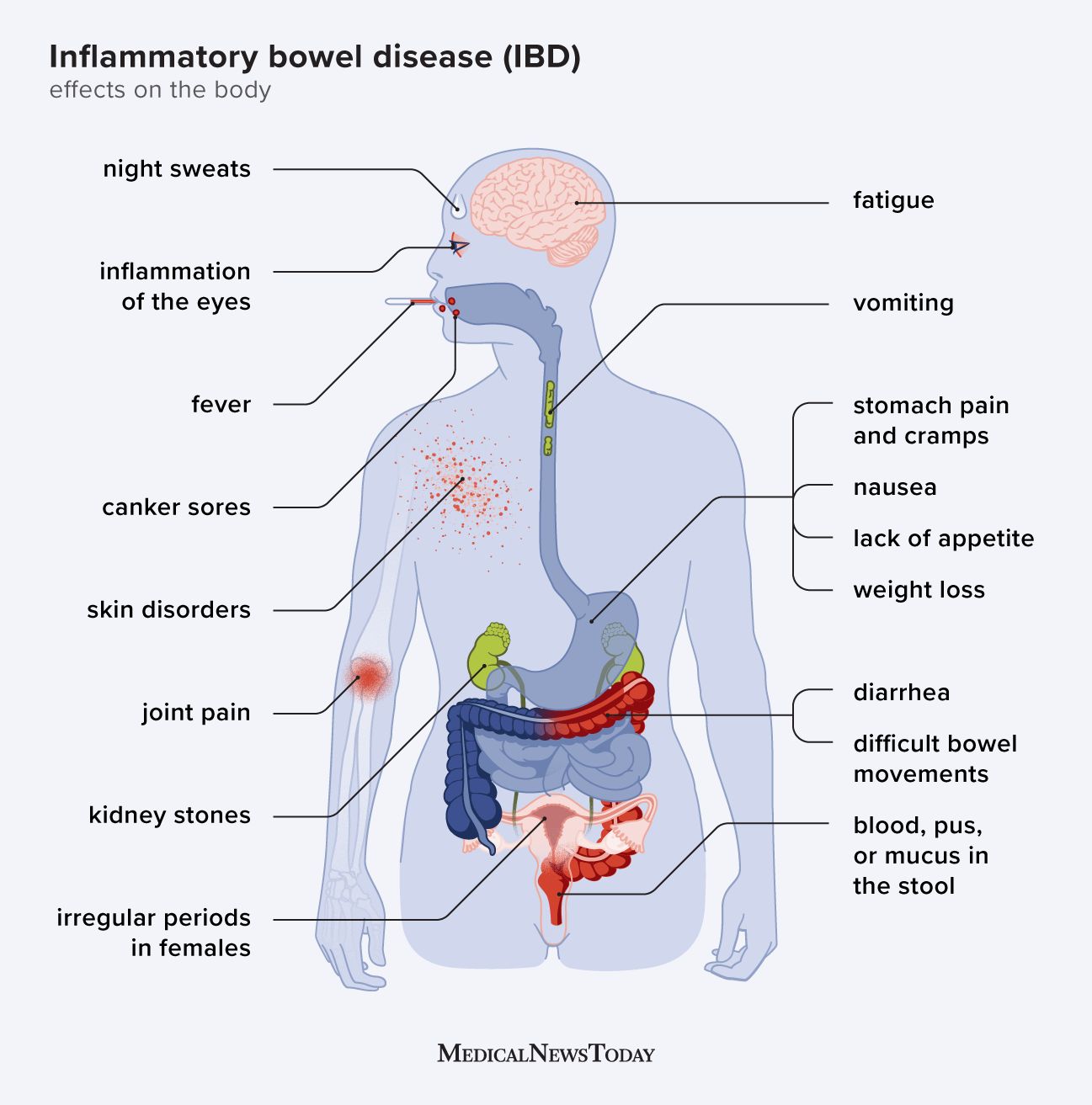
For individuals living with chronic psychiatric conditions, maintaining digestive health is a component of overall treatment adherence. Physicians are encouraged to implement preventive strategies, such as adequate hydration, dietary adjustments, and, when appropriate, the use of prophylactic laxatives. However, self-medication with over-the-counter laxatives is strongly discouraged without professional oversight, as these products may interact with the primary psychiatric treatment or mask underlying structural complications in the bowel.
Guidance for Patients and Caregivers
The ANSM stresses that treatment with neuroleptics should never be abruptly stopped without medical consultation, as this can lead to severe psychiatric relapse. Instead, the focus should remain on a collaborative approach between the patient, their caregiver, and their psychiatrist. If a patient experiences signs of a severe blockage, such as severe abdominal distension or high fever, immediate emergency evaluation is required. The national health portal advises that patients should keep an updated list of all current medications to share with emergency responders, ensuring that doctors understand the full scope of potential drug-induced side effects.
Next Steps in Pharmacovigilance
The French health regulator continues to monitor reports of gastrointestinal adverse events to evaluate the necessity of further labeling changes or prescribing restrictions. As of the latest update, the ANSM maintains that the benefits of neuroleptic therapy in managing severe mental health disorders continue to outweigh the risks, provided that adequate monitoring is in place. Future directives regarding these medications will be published through the official ANSM pharmacovigilance portal as new data becomes available.
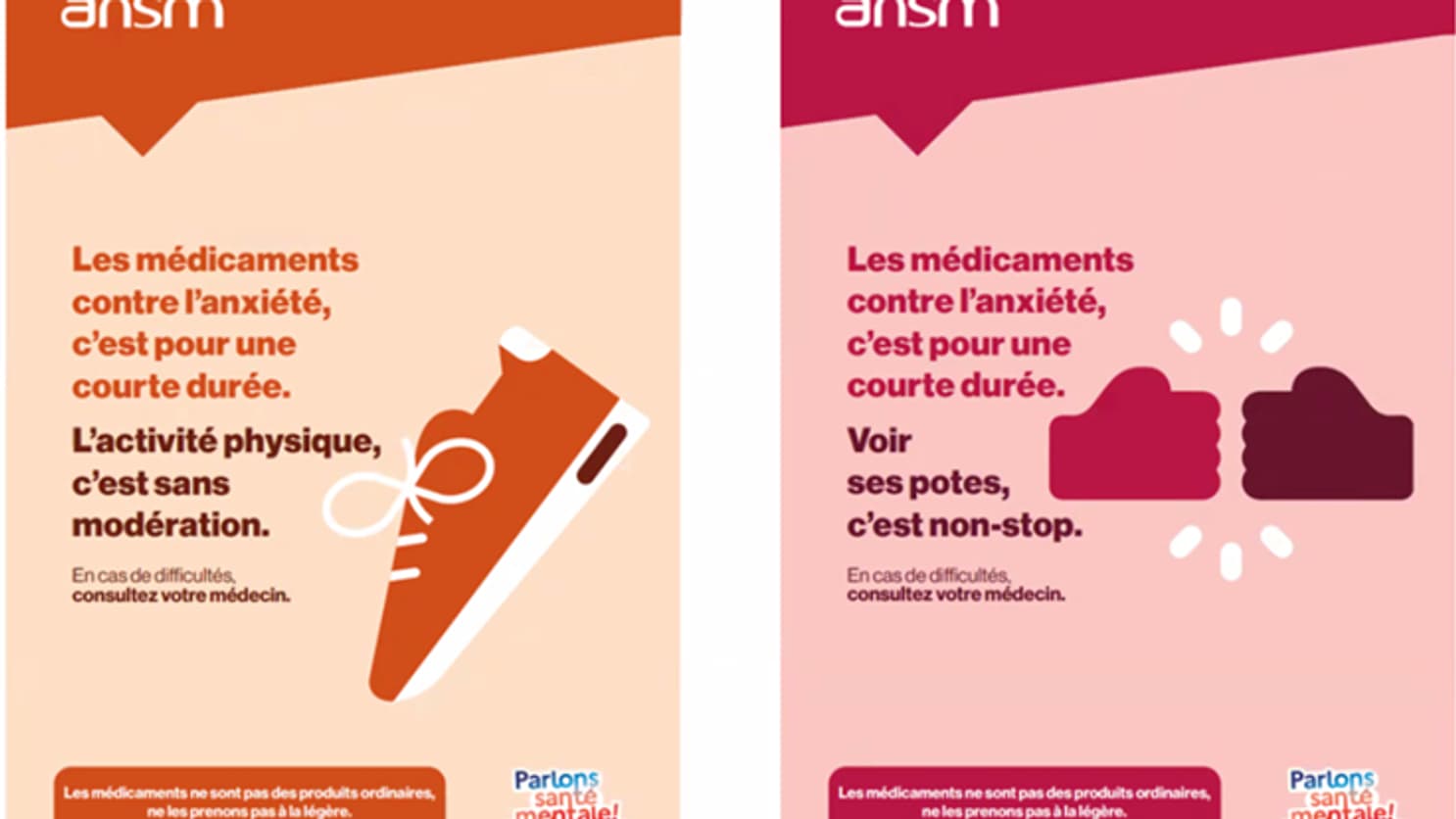
If you or a loved one are currently undergoing treatment with antipsychotic medication, ensure that your care team is aware of any changes in digestive function. We encourage readers to share this information with their healthcare providers to facilitate informed discussions about treatment safety. Please leave your comments or questions below, and stay informed by following our health section for further updates on medical safety alerts.
Related reading
- National Immunization Awareness Month: Why August Matters for Your Health
- Does the “Model Minority” Myth Increase Dementia Risk in Chinese Americans?
- Asteroid Close Call in April 2029 Could Bring Severe Consequences (world-today-news.com)
- DRC Health Workers Protest Unpaid Wages Amid Record Ebola Outbreak (time.news)