
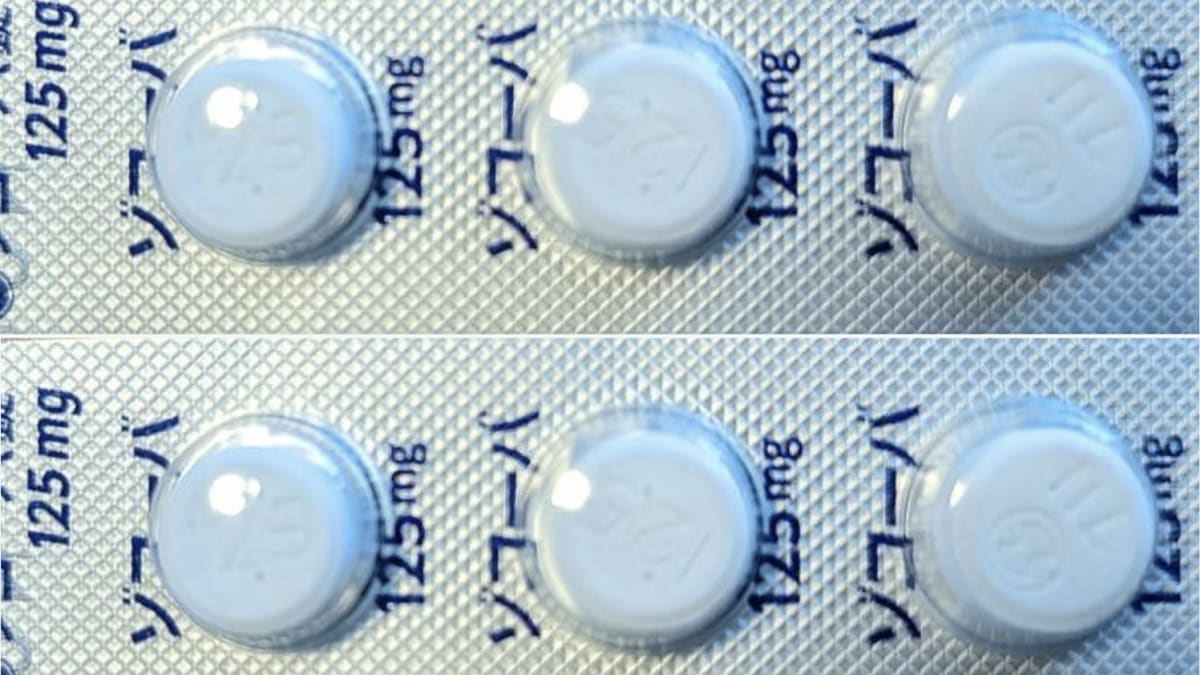
For much of the post-pandemic era, the medical community’s strategy against SARS-CoV-2 has been reactive: once an infection is established, clinicians deploy antivirals to reduce the severity of the disease and lower the viral load. However, a significant shift in the landscape of infectious disease management may be on the horizon. New clinical data suggests that a specific antiviral pill can potentially stop individuals from developing COVID-19 entirely if administered shortly after they have been exposed to the virus.
The drug in question, ensitrelvir, has demonstrated a significant ability to reduce the risk of disease onset following exposure. This development represents a move toward “post-exposure prophylaxis”—a preventative measure taken after a known risk of infection—which has remained a difficult goal to achieve with previous generations of COVID-19 therapeutics.
The Science of Post-Exposure Prevention
To understand why ensitrelvir is being hailed as a potential game-changer, We see necessary to distinguish it from existing treatments like Pfizer’s Paxlovid. While Paxlovid is designed to mitigate the impact of an active infection, ensitrelvir aims to intercept the virus before it can take a firm hold in the host’s system.
The mechanism of action for ensitrelvir involves targeting a critical component of the viral life cycle. According to research published on May 13 in The New England Journal of Medicine, the drug works by blocking a key enzyme that the SARS-CoV-2 virus relies on to replicate itself. By inhibiting this enzyme, the medication prevents the virus from making the necessary copies of itself to establish a full-scale infection within the body.
Interestingly, this specific enzyme is also a target for other antivirals, including Paxlovid. However, the timing and clinical application of ensitrelvir appear to offer a unique advantage in the specific window immediately following exposure, particularly in settings where transmission is most likely to occur.
Clinical Evidence: Targeting Household Transmission
One of the most significant aspects of the recent trials was the focus on household contacts. In many communities, the home remains a primary site for viral spread; if one family member tests positive, the risk to others in the same residence is exceptionally high. The trials for ensitrelvir specifically looked at these high-risk exposures.
The findings, which were also noted in reports by Nature, indicate that taking the medication after being exposed to a sick household contact can significantly lower the probability of the exposed individual developing the disease. This “ring” approach to prevention—treating those around a confirmed case—could provide a vital tool for protecting vulnerable populations, such as the elderly and those with compromised immune systems, who remain at higher risk for severe outcomes.
Comparing Antiviral Strategies
As healthcare providers evaluate how to best integrate new tools into public health protocols, understanding the distinction between current treatments and this new preventative approach is essential.

| Feature | Ensitrelvir (Emerging) | Paxlovid (Established) |
|---|---|---|
| Primary Objective | Prevention of disease after exposure | Reduction of severity in active infection |
| Target Timing | Immediately following exposure | Within days of symptom onset |
| Mechanism | Enzyme inhibition (replication blocker) | Protease inhibition |
| Clinical Focus | Reducing post-exposure infection risk | Lowering viral load and preventing hospitalization |
Global Regulatory Landscape
The path to widespread availability varies significantly by geography. Ensitrelvir was originally developed by the Japanese pharmaceutical company Shionogi. In Japan, the drug has already received approval for use as a treatment for COVID-19 and has now been approved as a preventative treatment as well.
However, for patients in the United States and Europe, the drug is not yet a standard part of the medical toolkit. Regulatory bodies in these regions are currently reviewing the late-stage trial data to determine if the benefits of post-exposure prophylaxis justify approval for their respective populations. The decision will likely hinge on the drug’s safety profile and its efficacy across different variants of the virus.
Key Takeaways for Public Health
- New Preventative Window: Unlike most current antivirals, ensitrelvir is designed to be used after exposure but before the onset of symptoms.
- Mechanism of Action: The drug blocks a vital enzyme required for SARS-CoV-2 to replicate.
- Household Protection: Clinical trials showed significant promise in reducing infection rates among household contacts of infected individuals.
- Regulatory Status: While approved in Japan, regulators in the U.S. And Europe are still evaluating the drug for local use.
Frequently Asked Questions
How is ensitrelvir different from the antivirals I have already used?
Most common antivirals are “reactive,” meaning you take them once you are already feeling sick to prevent the illness from getting worse. Ensitrelvir is “proactive,” intended to be taken after you know you’ve been exposed to someone with COVID-19, with the goal of preventing the illness from starting at all.
When should someone take this medication if it becomes available?
Based on current clinical research, the effectiveness of the drug is tied to how quickly it is administered following exposure. Healthcare providers would likely recommend a strict timeline to ensure the enzyme-blocking mechanism can intercept the virus effectively.
Is it available in my country?
Currently, it is approved in Japan. If you are in the U.S. Or Europe, Consider monitor official announcements from the FDA or EMA, as these agencies are still in the process of reviewing the clinical data.
The next major milestone will be the formal guidance or decisions from international regulatory agencies regarding the drug’s application for post-exposure prophylaxis. We will continue to monitor these developments closely.
What are your thoughts on the shift toward preventative antivirals? Do you believe this could change how we manage future outbreaks? Share your views in the comments below and share this article with your network to keep them informed.