The global rise in digital asset adoption has unfortunately been mirrored by an escalation in sophisticated financial crimes. For many investors, the pursuit of digital wealth has ended in significant distress due to fraudulent schemes, leaving victims searching for a viable path toward recovery. Engaging a specialized Anwalt für Krypto-Betrug (lawyer for crypto fraud) has become a critical step for those seeking to secure evidence, verify liability, and attempt to reclaim misappropriated assets.
Navigating the intersection of decentralized finance and traditional legal frameworks is a complex challenge. Because digital assets often traverse multiple jurisdictions, the process of asset recovery requires a structured, multi-disciplinary approach. Legal professionals focusing on this sector must combine technical expertise in blockchain forensics with a deep understanding of international civil and criminal procedure to provide effective representation for victims of digital investment fraud.
The Technical and Legal Challenges of Asset Recovery
When an individual falls victim to a digital investment scam, the immediate challenge is rarely just legal—it is technical. Blockchain technology, while transparent, is inherently pseudonymized, meaning that identifying the ultimate beneficial owner of a destination wallet requires specialized tracing capabilities. According to the European Union Agency for Law Enforcement Cooperation (Europol), the tracing of illicit financial flows in the digital space remains a priority for cross-border cooperation, as criminals frequently exploit differences in regulatory oversight between nations.
A qualified legal representative will typically begin by securing digital evidence. This includes capturing transaction hashes, analyzing wallet addresses, and preserving communication logs with the perpetrators. In many cases, these steps must be taken rapidly to prevent the further movement of funds through “mixers” or decentralized exchanges that can obfuscate the trail. The Federal Bureau of Investigation (FBI) advises that victims should report incidents through official channels as quickly as possible to increase the likelihood of freezing assets before they are laundered.
Assessing Liability and Regulatory Frameworks
Determining who can be held liable is a pivotal stage in any recovery effort. In some instances, the platform or exchange involved may have failed to adhere to Know Your Customer (KYC) or Anti-Money Laundering (AML) regulations, creating a potential avenue for civil litigation. The Financial Action Task Force (FATF) sets international standards for the regulation of virtual asset service providers, and legal practitioners often scrutinize whether these standards were upheld by the entities facilitating the fraudulent transactions.
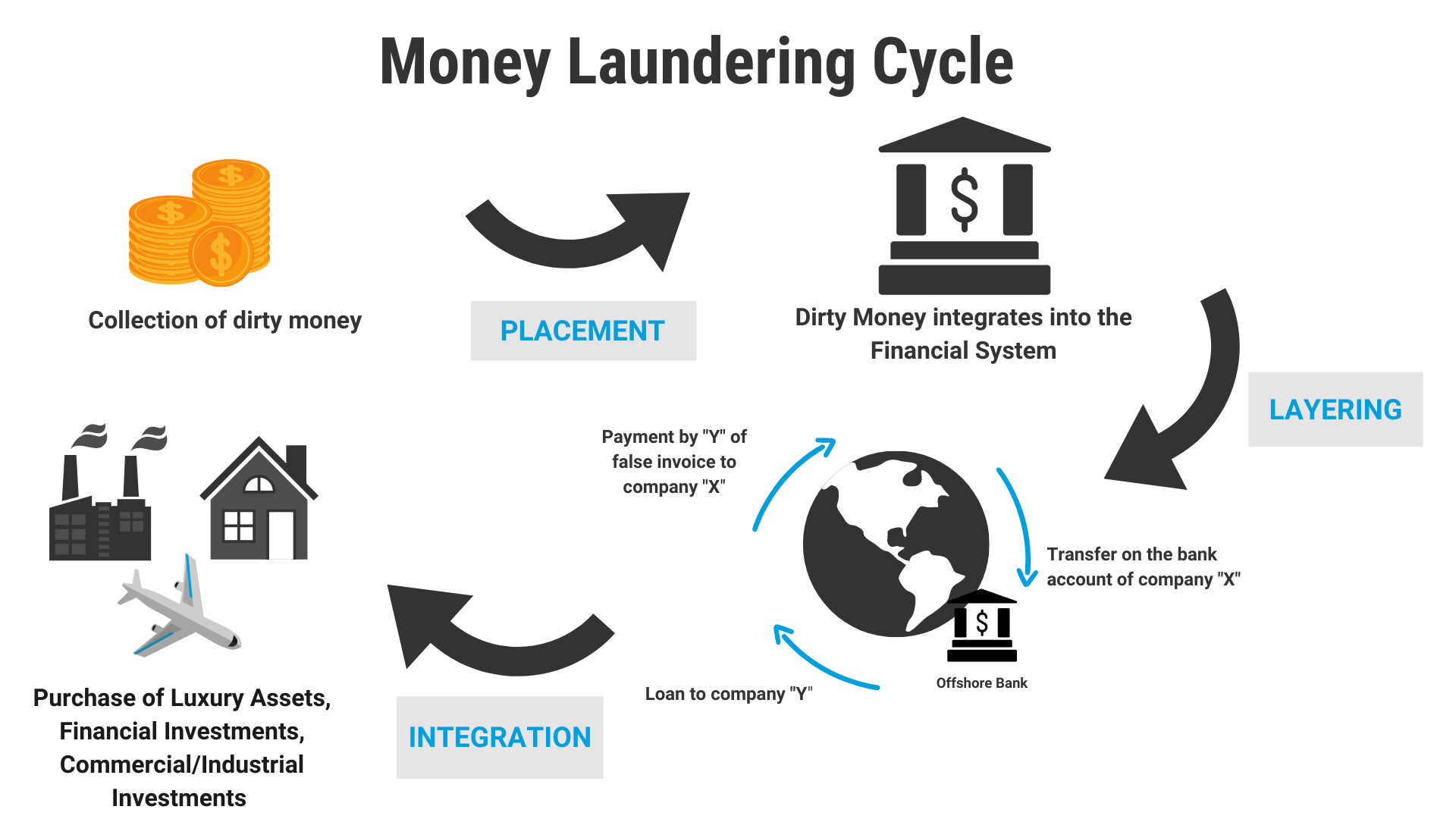
Liability is not limited to the direct perpetrators. In specific fact patterns, intermediaries, payment processors, or even individuals who facilitated the onboarding of the victim into the fraudulent ecosystem may share varying degrees of legal responsibility. A thorough legal assessment involves reviewing the terms of service, platform transparency reports, and any regulatory filings associated with the entities involved in the transaction chain.
Strategic Steps to Protect Your Interests
For those currently navigating the aftermath of a digital fraud, the path forward requires a methodical approach. Legal counsel can assist in formalizing complaints, coordinating with law enforcement agencies, and, where appropriate, initiating civil proceedings to secure assets.
- Evidence Preservation: Retain all records of transactions, including wallet addresses, screenshots of communication, and bank transfer receipts.
- Official Reporting: File reports with local law enforcement and national cybercrime units to create an official record of the incident.
- Jurisdictional Analysis: Determine where the fraudulent entity is headquartered or where the servers are located, as this dictates the legal strategy for asset recovery.
- Asset Tracing: Utilize professional forensic services to track the movement of funds on the public ledger.
It is essential to remain cautious of secondary scams, often referred to as “recovery scams,” where individuals or organizations claim they can recover lost funds for an upfront fee. Legitimate legal professionals will generally operate under transparent fee structures and adhere to professional codes of conduct that prohibit deceptive marketing practices regarding recovery guarantees.
The Future of Digital Asset Regulation
As governments worldwide continue to refine their approach to digital assets, the legal landscape is shifting toward greater accountability. The implementation of frameworks such as the Markets in Crypto-Assets (MiCA) regulation in the European Union represents a significant step toward harmonizing oversight and protecting consumers. These regulations aim to provide clearer guidelines for service providers, which may eventually simplify the process of holding non-compliant entities accountable for their role in facilitating illicit activities.

Investors should prioritize working with counsel who are not only experienced in litigation but also well-versed in the evolving regulatory environment. As the industry matures, the ability to navigate both the technical realities of the blockchain and the formal requirements of international law will remain the most effective tool in the pursuit of justice for victims of financial crime.
The situation regarding international digital asset regulation remains fluid, with ongoing discussions at the G20 level regarding the standardization of cross-border enforcement. Readers are encouraged to monitor updates from their national financial conduct authorities for the latest advisories on protecting digital investments. If you have been affected by these issues, professional consultation remains the recommended path to understanding your specific legal standing.
Related reading