
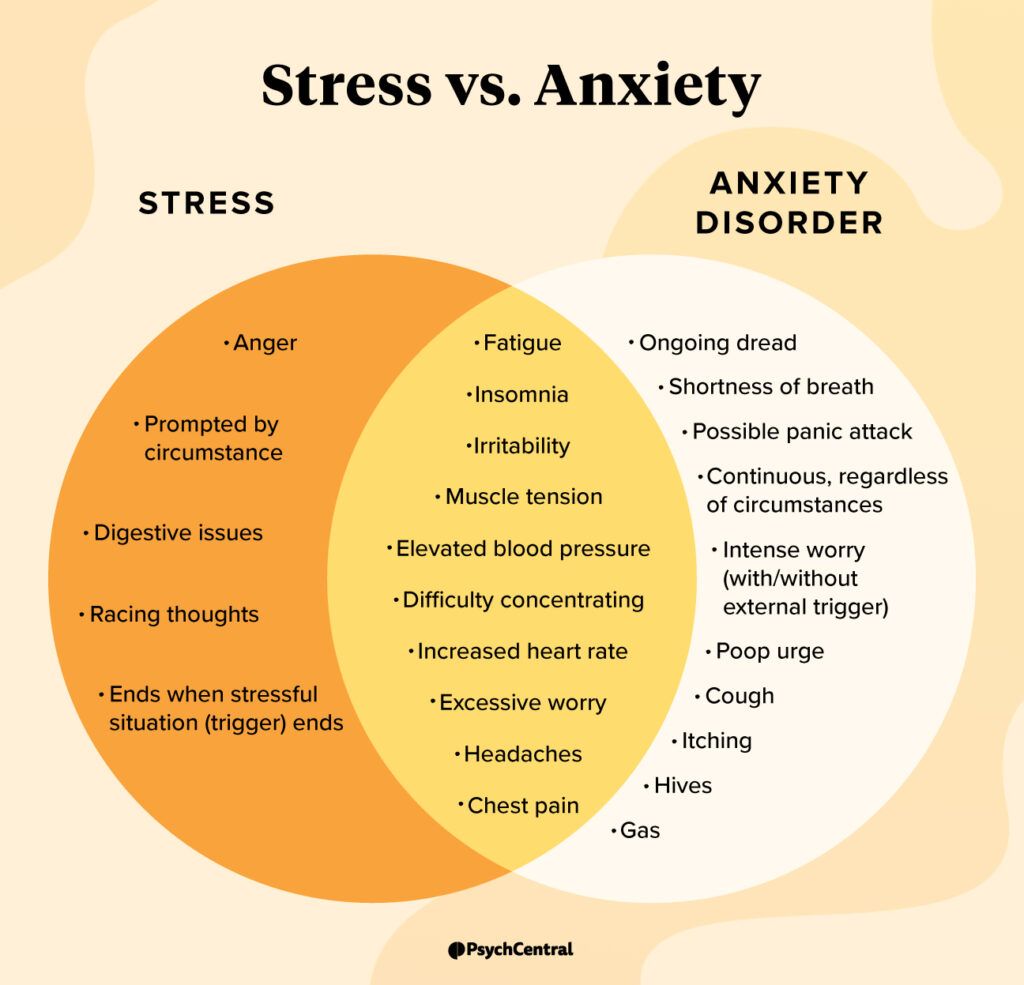
Vietnam is currently implementing expanded mental health strategies to address a documented rise in anxiety and stress-related disorders. Recent data indicates that clinical encounters for these conditions have increased significantly, rising from 10,432 to 14,506 cases, prompting the Ministry of Health to prioritize the integration of specialized psychiatric care into community-based healthcare frameworks. According to official health reports, this shift focuses on enhancing early intervention, psychiatric rehabilitation, and specialized nursing services to better support the growing demand for mental health resources across the country.
Addressing the Rise in Anxiety and Stress Disorders
The surge in reported cases of anxiety and stress-related conditions reflects a global trend toward increased mental health awareness and utilization of medical services. In Vietnam, health authorities attribute this rise to a combination of post-pandemic recovery and a more robust reporting mechanism within the public health sector. As noted by the World Health Organization (WHO) in Vietnam, strengthening the integration of mental health services into primary care is essential for reducing the burden on specialized psychiatric hospitals. By decentralizing care, the government aims to ensure that patients receive consistent support within their own neighborhoods rather than relying solely on centralized institutions.
Integration of Specialized Psychiatric Disciplines
To meet the evolving needs of the population, Vietnamese medical institutions are broadening their clinical scope. This expansion includes the development of dedicated units for sleep medicine, forensic psychiatry, and structured psychiatric rehabilitation. These disciplines are designed to address the multifaceted nature of mental health, moving beyond traditional therapy to include neurological and social support systems. The Ministry of Health of Vietnam has emphasized that these specialized fields are critical for treating long-term mental health challenges and improving patient outcomes in both rural and urban provinces.

The Role of Community-Based Mental Health Nursing
A significant component of the current strategy involves the professionalization of mental health nursing and the deployment of community-based care models. Psychiatric nursing now serves as the frontline of mental health protection, facilitating ongoing monitoring and patient education. By training community health workers to recognize early signs of distress, the health system can provide preventative care before conditions escalate to clinical crisis. This approach is aligned with international standards for community mental health integration, which prioritize local accessibility and de-stigmatization of psychiatric treatment.
Future Directions for Mental Healthcare in Vietnam
Looking ahead, the focus remains on standardizing treatment protocols and increasing the capacity of the national health workforce. The government is expected to release updated guidelines for mental health facility management in the coming months, which will detail new requirements for interdisciplinary collaboration between neurologists, psychologists, and social workers. These updates are intended to ensure that the increase in service capacity is matched by improvements in the quality of care provided to the public.
The progress of these initiatives will be monitored through periodic national health assessments, with the next official review of mental health service utilization scheduled for the end of the current fiscal cycle. Readers are encouraged to monitor updates from the Ministry of Health for further information on local community mental health programs and available resources. Share your thoughts or local experiences with community health initiatives in the comments below.
Keep reading