
Diplomatic tensions in the Middle East reached a critical juncture on Monday, May 25, 2026, as U.S. President Donald Trump cautioned against rushing negotiations with Iran while signaling progress toward a potential peace deal. The latest developments—marked by cautious optimism and lingering skepticism—highlight the delicate balance between ending a three-month conflict and addressing long-standing nuclear concerns. With global markets and energy supplies hanging in the balance, the stakes could not be higher.
Trump’s measured approach comes as U.S. Secretary of State Marco Rubio traveled to New Delhi, where he described the current framework as “a pretty solid thing” regarding a deal to reopen the Strait of Hormuz and initiate time-limited negotiations on Iran’s nuclear program. Yet, Iranian officials have not confirmed key clauses as resolved, including the fate of frozen Iranian assets—a sticking point that could derail the talks. Meanwhile, regional allies like Israel and European leaders have weighed in, with Israeli Prime Minister Benjamin Netanyahu insisting the nuclear threat must be “removed entirely,” while the European Commission hailed “progress toward an agreement.”
The potential deal, if finalized, would mark a dramatic shift from Trump’s initial demands in late February, when he launched airstrikes against Iran with the stated goal of achieving “UNCONDITIONAL SURRENDER.” While those strikes succeeded in degrading Iran’s air force and naval capabilities, the conflict escalated when Tehran closed the Strait of Hormuz—a move that threatened global oil supplies and triggered fears of a recession. The economic leverage Iran gained through this blockade has since become a critical bargaining chip in the current negotiations.
Key Developments: What’s on the Table?
According to Rubio’s remarks in New Delhi, the U.S. Proposal includes three primary components:
- Reopening the Strait of Hormuz: A immediate step to restore the flow of oil and natural gas, which accounts for roughly 20% of global supplies. The blockade has already caused disruptions in shipping and energy markets, with analysts warning of potential shortages if the closure persists.
- Time-limited nuclear negotiations: A phased approach to address Iran’s nuclear program, though details remain scant. Trump has emphasized that the U.S. Will not “rush” the process, suggesting a focus on sustainable, verifiable concessions rather than immediate demands.
- Frozen Iranian assets: The unresolved issue of how to unfreeze billions in assets seized by the U.S. And its allies. Iranian state media, including Tasnim News Agency, has indicated that this remains a major hurdle, though no official timeline has been set for resolution.
Trump’s reluctance to rush the deal reflects a broader strategic calculation. While the U.S. Has achieved tactical victories—such as the destruction of Iran’s air force and a portion of its ballistic missile arsenal—the economic and political costs of prolonged conflict have grown. The Strait of Hormuz closure alone has sent shockwaves through global markets, with oil prices fluctuating wildly and governments scrambling to secure alternative supply routes.
Regional Reactions: Allies and Skeptics
Israel’s stance remains a wild card in the negotiations. Netanyahu has publicly stated that any agreement must ensure Iran’s nuclear capabilities are “entirely” eliminated—a position that aligns with hardline factions in the U.S. Congress but clashes with Iran’s stated red lines. Meanwhile, European leaders, including European Commission President Ursula von der Leyen, have framed the talks as a rare opportunity for diplomatic breakthrough, though they have stopped short of endorsing the specifics of the U.S. Proposal.
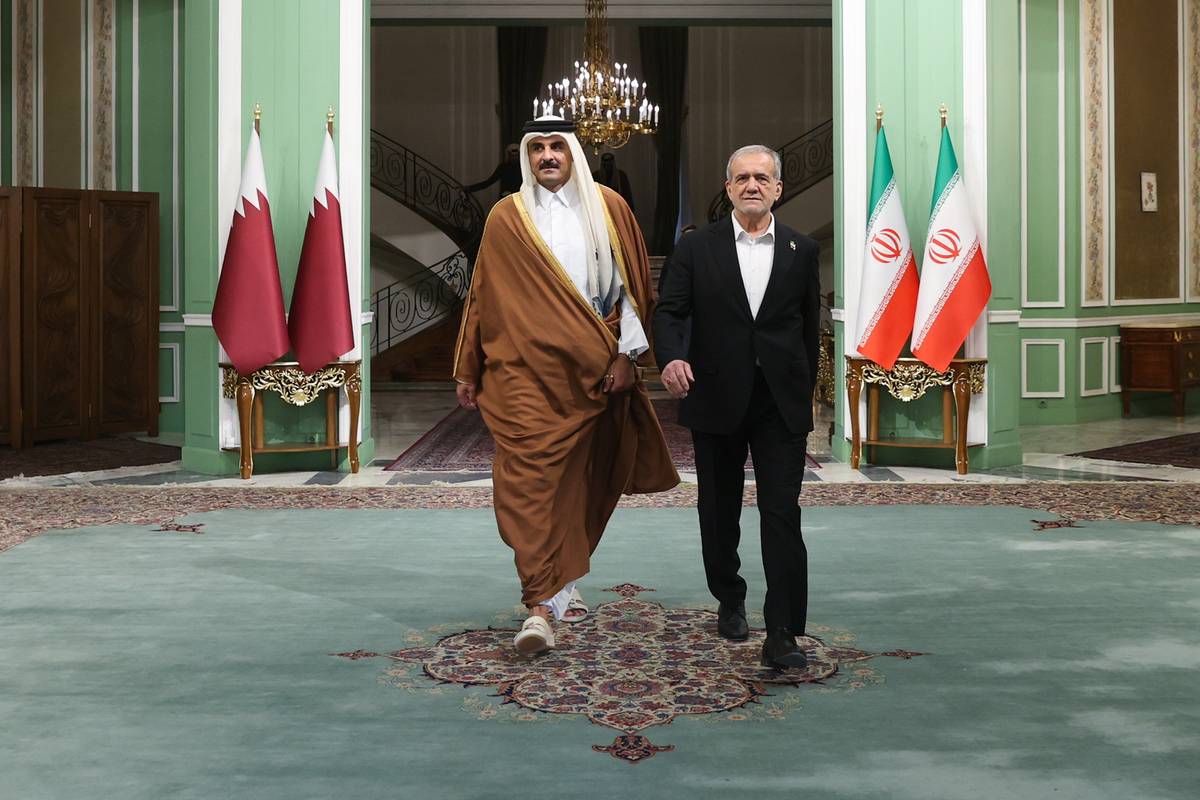
In contrast, Iran’s official response has been measured but firm. While Tasnim News Agency acknowledged that “key clauses remain unresolved,” it did not dismiss the possibility of a deal, signaling a willingness to engage—provided concessions are made on asset recovery and nuclear terms. The agency’s cautious tone underscores the high stakes for Tehran, where economic sanctions have crippled the economy and public support for further confrontation may be waning.
What Happens Next? The Road Ahead
The next critical checkpoint appears to be Monday, May 25, 2026, when Rubio suggested that “alternatives” would be explored if no diplomatic solution is reached. While the exact nature of these alternatives remains unclear, analysts speculate they could include further military pressure, expanded sanctions, or a return to pre-conflict blockade tactics. However, with global markets already on edge, such steps risk escalating tensions further.
For now, the focus remains on the negotiating table. Trump’s team is reportedly reviewing the final draft of the agreement, with a decision expected within the next 48 hours. If approved, the deal would require immediate action to reopen the Strait of Hormuz, followed by a phased nuclear negotiation process. Failure to reach an accord could trigger a deeper crisis, with potential ripple effects on global energy security and regional stability.
Why It Matters: Global Implications
The potential Iran-U.S. Deal is not just a Middle East story—it’s a global one. The Strait of Hormuz is a chokepoint for energy supplies, and its closure has already disrupted trade routes, inflated fuel prices, and raised concerns about a supply chain crisis. A resolution would provide immediate relief, but the long-term impact hinges on whether the nuclear negotiations yield a lasting reduction in tensions.
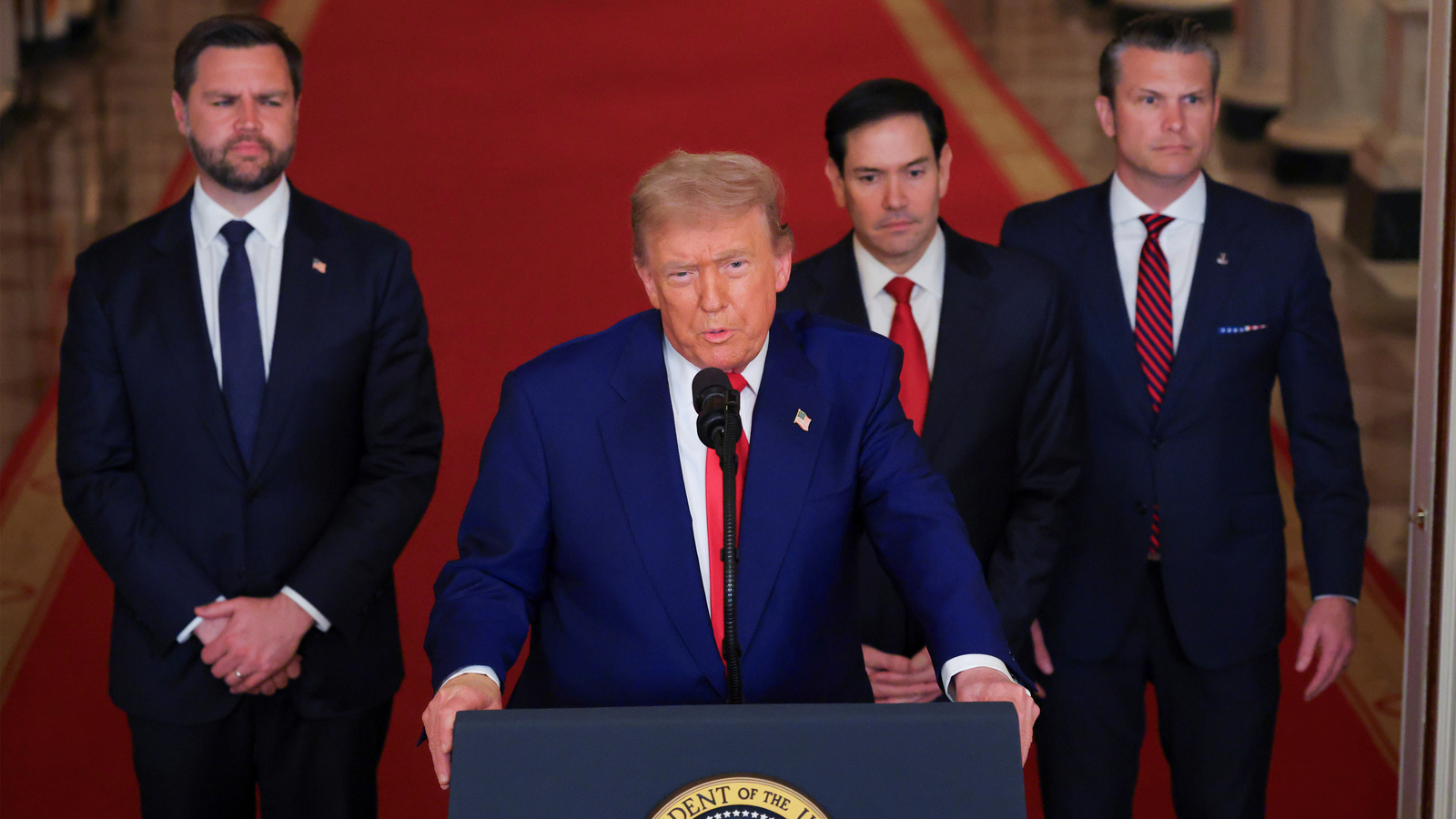
For energy markets, the stakes are clear: stability in the Strait of Hormuz would ease pressure on oil prices, which have surged in response to the blockade. Investors are watching closely, with some analysts predicting a rebound if the deal holds. Meanwhile, geopolitical observers are debating whether this agreement sets a precedent for future diplomatic engagements in the region—or if it merely postpones deeper conflicts.
Key Takeaways
- The U.S. And Iran are close to a deal to end the three-month conflict, with a focus on reopening the Strait of Hormuz and nuclear negotiations.
- President Trump has emphasized a “no rush” approach, signaling a preference for sustainable concessions over immediate demands.
- Iran’s frozen assets and the scope of nuclear limitations remain unresolved, with Iranian officials indicating these are critical sticking points.
- Regional allies like Israel and European leaders have differing views on the deal’s terms, with Netanyahu insisting on “total elimination” of Iran’s nuclear threat.
- A failure to reach an agreement could lead to further military or economic pressure, risking escalation.
- The next 48 hours are critical, with a decision on the deal expected by Wednesday, May 27, 2026.
As the world watches, the outcome of these negotiations will shape not only the Middle East but global energy security, economic stability, and the future of diplomatic engagement in one of the most volatile regions on Earth.
What do you think? Will this deal hold, or are we on the brink of deeper conflict? Share your thoughts in the comments below or on our social media channels. For updates on this developing story, stay tuned to World Today Journal.
Keep reading