
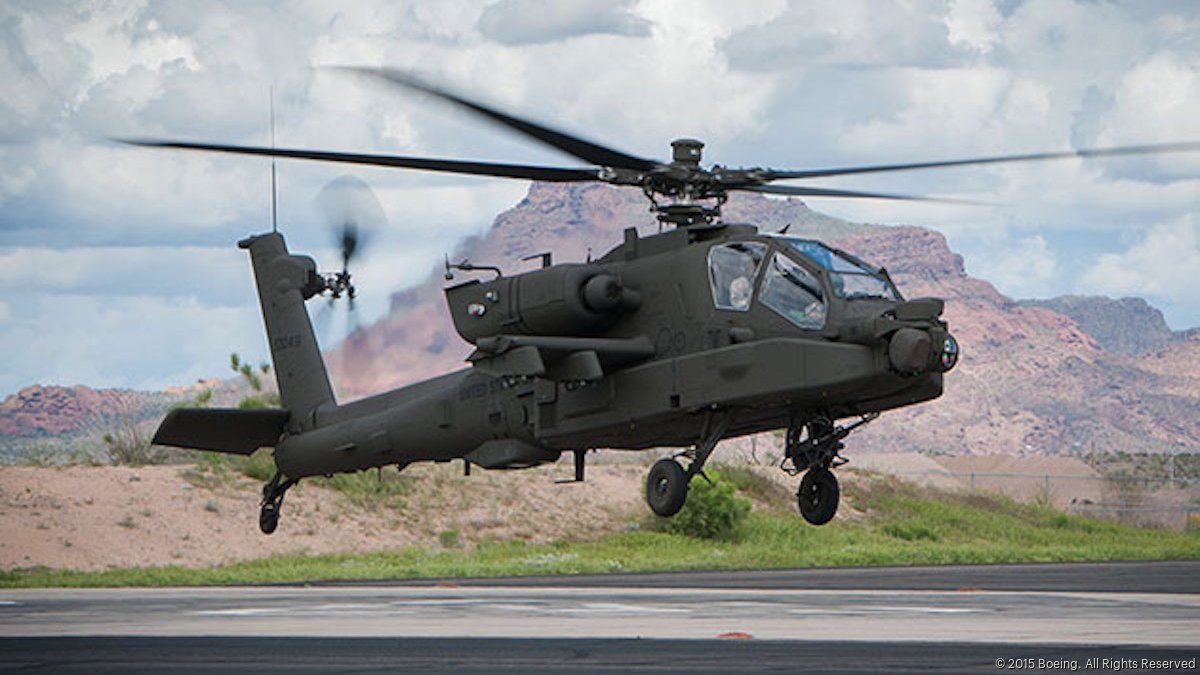
Former President Donald Trump asserted during a recent campaign event that an American military helicopter was shot down by Iranian forces, prompting his vow to provide a robust response if he were in office. The claim centers on an alleged attack involving an AH-64 Apache helicopter, which Trump suggested occurred under current administration policies. However, official records from the U.S. Department of Defense have not corroborated reports of a recent Apache helicopter shootdown in the Middle East or elsewhere as of late 2024.
The former president’s comments have drawn significant attention to the ongoing tensions between Washington and Tehran, particularly regarding maritime security in the Persian Gulf and drone operations in the region. While Trump’s rhetoric emphasizes a policy of “peace through strength,” geopolitical analysts note that any direct military engagement involving the downing of a U.S. aircraft would represent a major escalation in regional hostilities. Current U.S. military posture in the Middle East remains focused on U.S. Central Command (CENTCOM) operations, which actively monitor for threats to personnel and assets.
Context of U.S. Military Operations and Regional Tensions
Tensions between the United States and Iran have frequently manifested in the Persian Gulf, the Strait of Hormuz, and the Gulf of Oman. According to Congressional Research Service reports, the U.S. military maintains a persistent presence in these waters to ensure the freedom of navigation and to deter Iranian maritime harassment. These operations often involve a mix of naval vessels, surveillance drones, and rotary-wing aircraft, such as the Apache, which is primarily designed for attack missions but is often used in maritime security or reconnaissance roles.
The mention of a rescue operation—specifically involving a sea drone—adds a layer of technical complexity to the narrative. The U.S. Navy has significantly expanded its use of unmanned surface vessels (USVs) under the purview of Task Force 59, which operates out of Bahrain. These autonomous systems are designed to provide persistent intelligence, surveillance, and reconnaissance (ISR) capabilities. While the integration of these drones into search-and-rescue (SAR) protocols is an active area of development, there is no verified military report confirming the rescue of downed Apache crew members by such technology in the context of an Iranian attack.
Evaluating the Claims and Official Military Posture
In the absence of a confirmed incident report from the Pentagon, military observers caution against equating campaign rhetoric with official operational data. When military aircraft incidents occur, the Department of Defense typically issues formal press releases via the Office of the Assistant to the Secretary of Defense for Public Affairs. These releases provide verified details regarding the status of crew members, the location of the incident, and the initial assessments of the cause, whether it be hostile fire or mechanical failure.
Trump’s assertion reflects a broader pattern of criticism regarding current U.S. foreign policy, particularly his frequent characterization of the current administration’s approach to Iran as “weak.” By framing the alleged incident as a failure of deterrence, the former president aims to contrast his administration’s “maximum pressure” campaign—which included the 2020 targeted killing of Qasem Soleimani—with the more diplomatic and containment-focused strategies pursued since 2021. For voters, this distinction remains a primary point of debate regarding the future of U.S. involvement in the Middle East.
What Happens Next in Regional Security
The U.S. military continues to hold regular briefings regarding its posture in the Middle East. The next scheduled update for regional operations will likely be addressed during the routine Pentagon press briefings, where officials answer questions about specific tactical engagements and regional threats. These briefings serve as the primary mechanism for the public to track the accuracy of claims concerning military equipment or personnel status.
As the geopolitical landscape remains volatile, tracking official notifications from CENTCOM remains the most reliable method for verifying the safety of U.S. service members. Readers are encouraged to monitor official government channels for updates on regional security developments. Please share your thoughts on the impact of these campaign narratives on public perception of foreign policy in the comments section below.