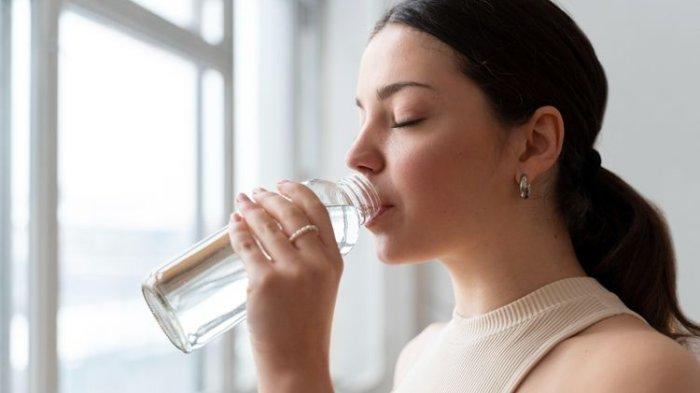
Spending long periods in air-conditioned environments increases the risk of dry skin because air conditioning units remove moisture from the air, leading to transepidermal water loss (TEWL). While maintaining systemic hydration by drinking water is essential for overall health, medical experts emphasize that topical moisturizers and humidifiers are more effective at preventing surface skin dryness than increasing water intake alone.
Air conditioners function by cooling the air and removing humidity to improve comfort. This process creates a low-humidity environment that accelerates the evaporation of moisture from the skin’s outermost layer, known as the stratum corneum. When the surrounding air is drier than the skin, water moves from the body into the atmosphere to reach equilibrium, a process that can compromise the skin barrier.
According to the American Academy of Dermatology, dry skin occurs when the skin’s natural oil barrier is depleted or damaged, allowing moisture to escape and irritants to enter. In air-conditioned spaces, this depletion happens more rapidly, regardless of how much water a person drinks.
Why drinking water alone cannot stop AC-induced dry skin
Internal hydration and skin moisturization are two different biological processes. Drinking water supports the dermis—the deeper layer of the skin—and maintains overall organ function, but it does not provide a physical shield against environmental evaporation. Once water reaches the skin’s surface, it is subject to the laws of humidity; if the air is dry, that water evaporates.
Increasing water intake is necessary to prevent systemic dehydration, especially since AC can lead to “insensible water loss” through breathing and perspiration. However, the Mayo Clinic notes that dry skin is often a result of external factors—such as low humidity, harsh soaps, or weather—which require topical interventions rather than just internal hydration.
The skin barrier consists of lipids (fats) and ceramides that act like mortar between skin-cell “bricks.” When AC strips the air of moisture, these lipids can become less effective. Drinking more water may keep the body hydrated, but it cannot replace the lipid barrier needed to seal that moisture inside the skin.
How to protect the skin barrier in low-humidity environments
To counteract the drying effects of air conditioning, dermatologists recommend a two-pronged approach: adding moisture and sealing it in. This is achieved through the use of humectants and occlusives.
Humectants, such as hyaluronic acid and glycerin, are ingredients that attract water from the air or the deeper layers of the skin into the epidermis. These are most effective when applied to damp skin. Occlusives, such as petrolatum, dimethicone, or ceramides, create a physical barrier on the skin’s surface to prevent transepidermal water loss.
Applying a thick moisturizer immediately after bathing or washing the face helps lock in existing moisture. For those spending eight or more hours a day in an office or bedroom with AC, applying moisturizer in the morning and again in the evening is often necessary to maintain the skin’s integrity.
Adjusting the environment to prevent skin dehydration
Modifying the immediate surroundings can reduce the reliance on heavy topical creams. One of the most effective methods is using a humidifier, which adds moisture back into the air, reducing the rate of evaporation from the skin and respiratory tract.
Health guidelines generally suggest maintaining indoor humidity levels between 30% and 50%. When humidity drops below this range, the skin and mucous membranes in the nose and throat begin to dry out, which can increase susceptibility to irritation and infections.
Other environmental adjustments include:
- Reducing the time spent directly in the path of the AC vent to avoid concentrated airflow on the face.
- Using a gentle, non-foaming cleanser to avoid stripping the skin’s natural oils.
- Avoiding excessively hot showers, which can further damage the skin barrier already stressed by AC.
Comparing internal hydration and topical moisturization
The distinction between drinking water and applying moisturizer is often misunderstood. While both are necessary, they serve different roles in skin health.
| Feature | Drinking Water (Internal) | Moisturizers (Topical) |
|---|---|---|
| Primary Goal | Systemic hydration and organ function | Preventing TEWL and repairing the barrier |
| Effect on AC Dryness | Prevents dehydration but doesn’t stop evaporation | Creates a physical seal to stop evaporation |
| Target Layer | Dermis and systemic tissues | Stratum corneum (Epidermis) |
| Key Benefit | Overall metabolic health | Prevents itching, flaking, and cracking |
Relying solely on water intake to fix dry skin in an AC environment is often ineffective because the “leak” is at the surface. Treating the skin as a barrier that needs maintenance is the clinically supported approach to managing environmental dryness.
For individuals with pre-existing conditions like eczema or psoriasis, the drying effects of air conditioning can trigger flare-ups. In these cases, the American Academy of Dermatology recommends using fragrance-free, hypoallergenic creams and consulting a physician for prescription-strength barrier repairs.
Medical professionals advise monitoring for signs of severe skin barrier compromise, such as redness, persistent itching, or small cracks in the skin, which can serve as entry points for bacteria. If these symptoms persist despite the use of humidifiers and moisturizers, a dermatological evaluation is recommended.
Further updates on indoor air quality and skin health guidelines are typically released during seasonal transitions by public health agencies. Readers are encouraged to share their experiences with managing office-environment skin health in the comments below.