
APEC Summit Navigates Shifting Global Economic Landscape
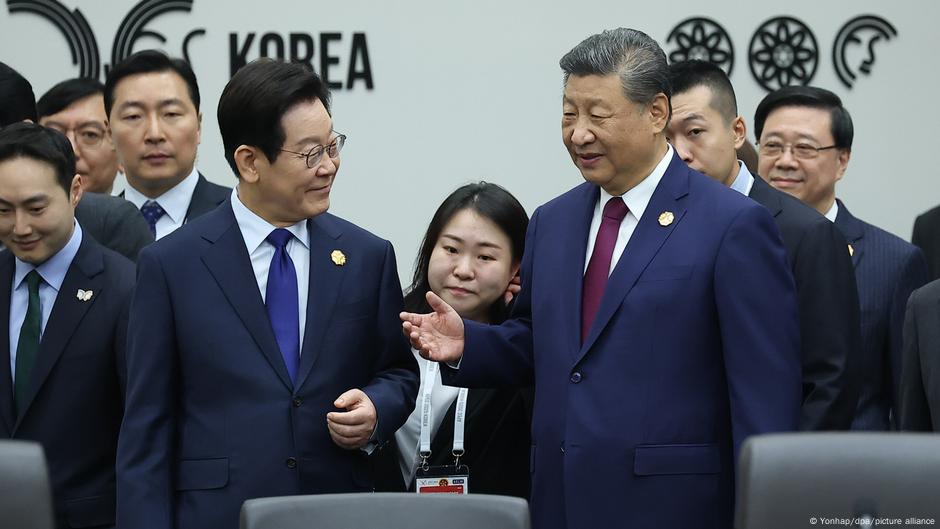
The recent Asia-Pacific Economic Cooperation (APEC) summit in South Korea concluded with a focus on navigating a period of critically important global economic change. While a key bilateral meeting between the U.S. and China dominated initial headlines, the broader discussions centered on fostering cooperation and addressing growing economic uncertainties within the 21-member Pacific Rim economies.
President Trump’s abbreviated attendance at the summit drew attention, with a senior U.S. official explaining his schedule “didn’t align perfectly” for full participation. He returned to Washington on Thursday and hosted the White House Halloween party.
Treasury Secretary Scott Bessent represented the U.S. during the remainder of the summit. He emphasized the administration’s commitment to ensuring “each country operates on fair and reciprocal terms” in trade relations.
A Focus on Economic Challenges
The summit unfolded against a backdrop of increasing global economic uncertainty. South Korean President Lee Jae Myung, as host, underscored that the Asia-pacific region is at a pivotal moment.
He noted the free trade order is undergoing dramatic shifts, leading to a slowdown in both trade and investment. Lee urged APEC members to prioritize collaboration, stating, “It is indeed clear we cannot always be on the same side, but we must work together to achieve common prosperity.”
Here’s a breakdown of the key challenges discussed:
* Trade Uncertainty: Rising protectionist sentiments and trade disputes are disrupting established patterns.
* Slowing Growth: Global economic growth is losing momentum, impacting regional economies.
* Shifting Economic Order: The balance of economic power is evolving, requiring adaptation and new strategies.
The U.S.-China dynamic
The meeting between President Trump and chinese President Xi Jinping cast a long shadow over the summit. While details remain closely guarded, the encounter signaled a willingness to engage in dialog. However, it didn’t overshadow the broader need for collective action within APEC.
You might be wondering what this means for your business or investment strategies. Understanding the evolving dynamics between these two economic giants is crucial.
APEC’s Importance
APEC represents a substantial portion of the global economy. The region accounts for 50% of global trade and 61% of the world’s gross domestic product.
This makes APEC a vital forum for addressing shared economic challenges and promoting enduring growth. Cooperation among its members is seen as a “clear solution” to navigating the current economic headwinds.
Ultimately,the summit highlighted the need for a unified approach to ensure continued prosperity in the Asia-Pacific region. It’s a reminder that even amidst geopolitical complexities, economic collaboration remains essential for a stable and thriving global economy.





