
A divided panel of federal appeals court judges has ruled that the Trump administration’s policy banning transgender individuals from military service violates constitutional protections, marking a major legal victory for transgender service members and their advocates. The ruling, issued on Monday, June 1, 2026, declares the Pentagon’s enforcement of the ban illegal and orders protections for transgender troops already serving in the armed forces.
The decision comes as the legal battle over transgender military service continues to unfold in courts across the country. While the Supreme Court previously allowed the policy to take effect in 2025, this latest ruling from the appeals court creates a split in the judiciary that could influence future legal challenges and potentially set a precedent for lower courts.
The policy, first implemented under President Donald Trump in 2025, had been expanded to include a blanket ban on individuals with gender dysphoria or those who have undergone medical interventions related to gender transition. The Pentagon had argued that such individuals pose “medical, surgical and mental health constraints” incompatible with military service standards. However, the appeals court’s ruling directly contradicts these claims, stating that the policy lacks constitutional basis.
BREAKING: Federal appeals court rules Trump administration’s transgender military ban is unconstitutional, protecting rights of transgender service members. Legal battle continues as case moves forward.
Legal Background: A Policy with Deep Roots
The current controversy traces back to 2016 when President Barack Obama allowed transgender individuals to serve openly in the military. This policy was challenged by the Trump administration in 2019, leading to a Supreme Court ruling that allowed a similar ban to take effect—though it was later reversed by President Joe Biden in 2021. Upon returning to office in 2025, Trump reinstated and expanded the ban, requiring the identification and removal of transgender service members within 60 days.

The policy’s legality has been contested since its reinstatement. While the Supreme Court granted the Trump administration’s request to enforce the ban in May 2025, lower courts have since issued conflicting rulings. This latest appeals court decision represents the first time a federal appellate court has explicitly declared the policy unconstitutional, setting up a potential showdown with the Supreme Court.
What the Ruling Means for Transgender Service Members
The appeals court’s decision provides immediate protections for transgender troops already serving in the military. According to the ruling, the Pentagon’s policy violates the equal protection clause of the Fifth Amendment, as it discriminates against transgender individuals without a compelling government interest. The court also emphasized that the policy fails to account for the unique circumstances of transgender service members who have already undergone rigorous military training and demonstrated their ability to serve effectively.
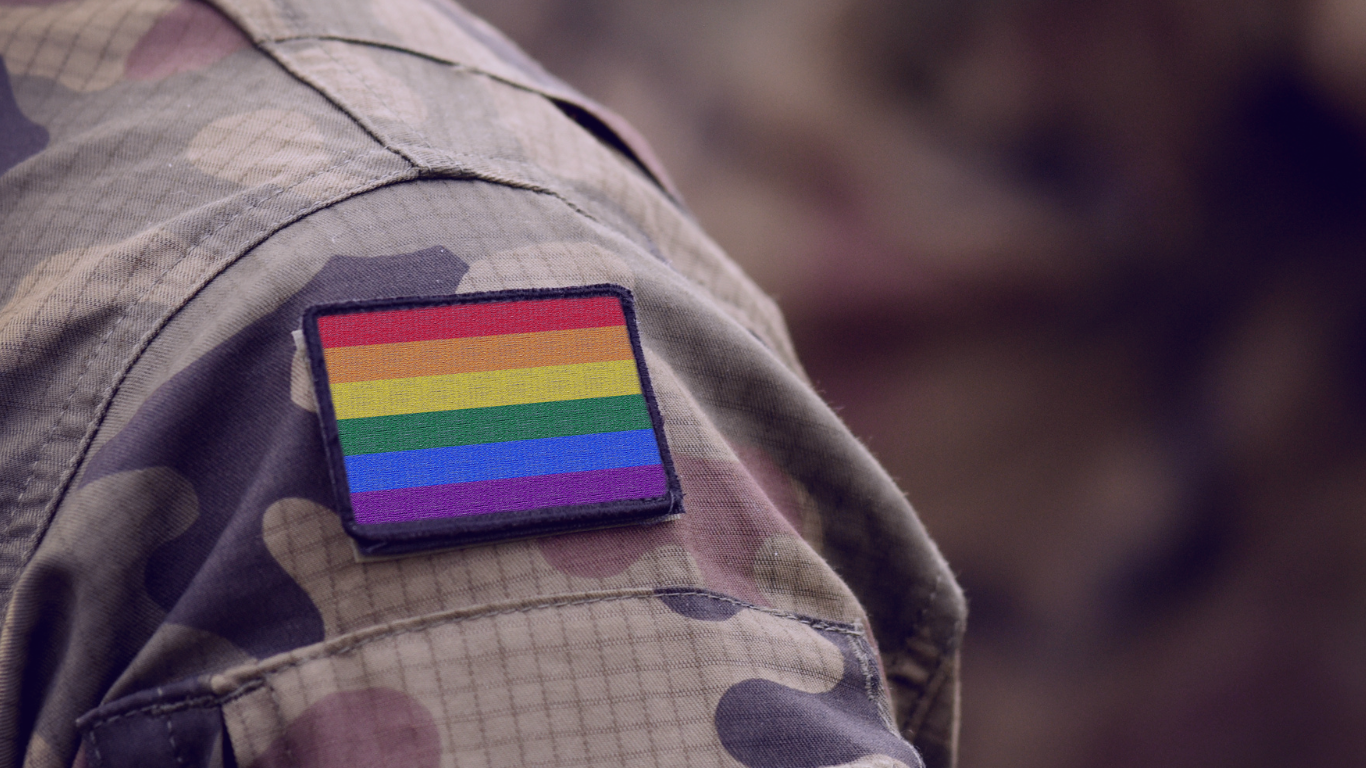
While the ruling is a significant victory for transgender rights advocates, legal challenges remain. The Trump administration has indicated it will likely appeal the decision to the Supreme Court, where the policy’s fate could ultimately be decided. Legal experts suggest that the divided nature of the appeals court ruling—with judges split on constitutional grounds—could influence how the Supreme Court approaches the case.
Reactions from Advocacy Groups and Military Leaders
Advocacy organizations for LGBTQ+ rights have hailed the ruling as a major step forward in the fight for equality in the military. The Human Rights Campaign (HRC) released a statement calling the decision “a triumph for transgender service members who have bravely defended their country despite unjust policies.” Meanwhile, the American Military Veterans (AMV) organization expressed concern that the policy’s reinstatement had created unnecessary hardship for transgender veterans and active-duty personnel.
Military leaders have largely remained silent on the ruling, though some service members have shared their experiences publicly. One transgender veteran, who requested anonymity, told reporters, “This ruling gives us hope that One can finally serve without fear of being kicked out just for being who we are.” The Pentagon has not yet issued an official response to the decision.
Next Steps: What Happens Now?
The immediate next step in the legal process will likely be an appeal to the Supreme Court. The Trump administration has historically been aggressive in pursuing legal challenges, and It’s expected that they will seek to overturn the appeals court’s ruling. Legal observers suggest that the Supreme Court’s decision on whether to hear the case could come within the next few months.
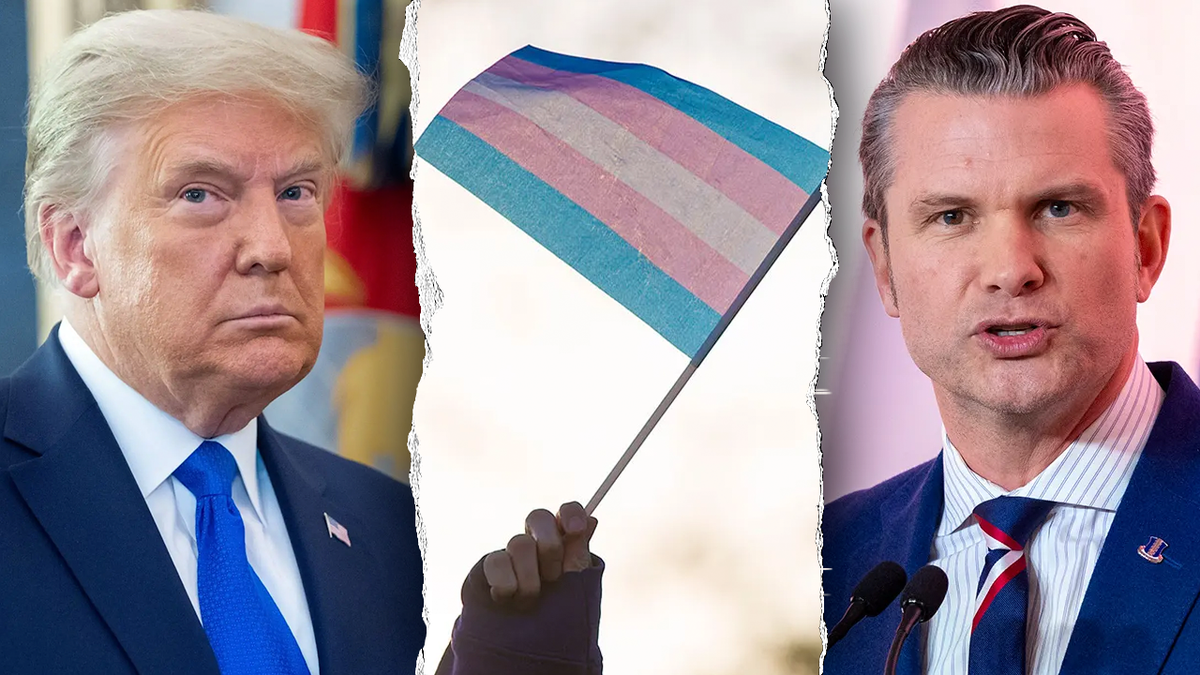
In the meantime, transgender service members who have been affected by the policy can seek guidance from organizations such as the Servicemembers Legal Defense Network (SLDN), which has been providing legal support to LGBTQ+ military personnel since 1993. The organization offers resources for those facing discharge or other legal challenges related to their service.
Key Takeaways
- The appeals court ruled the Trump administration’s transgender military ban unconstitutional, protecting transgender service members.
- The policy was first implemented in 2025 and expanded to include a blanket ban on individuals with gender dysphoria.
- Legal challenges will likely continue, with the Supreme Court potentially deciding the case’s final outcome.
- Transgender veterans and active-duty personnel can seek legal assistance from organizations like the SLDN.
- The ruling creates a split in the judiciary, which could influence future legal battles over transgender rights in the military.
As the legal battle unfolds, transgender service members and their allies continue to advocate for full inclusion in the military. The appeals court’s decision sends a clear message: the fight for equality in the armed forces is far from over, and the courts remain a critical battleground in this ongoing struggle.
For the latest updates on this developing story, follow World Today Journal and stay informed on the intersection of military policy and LGBTQ+ rights.