
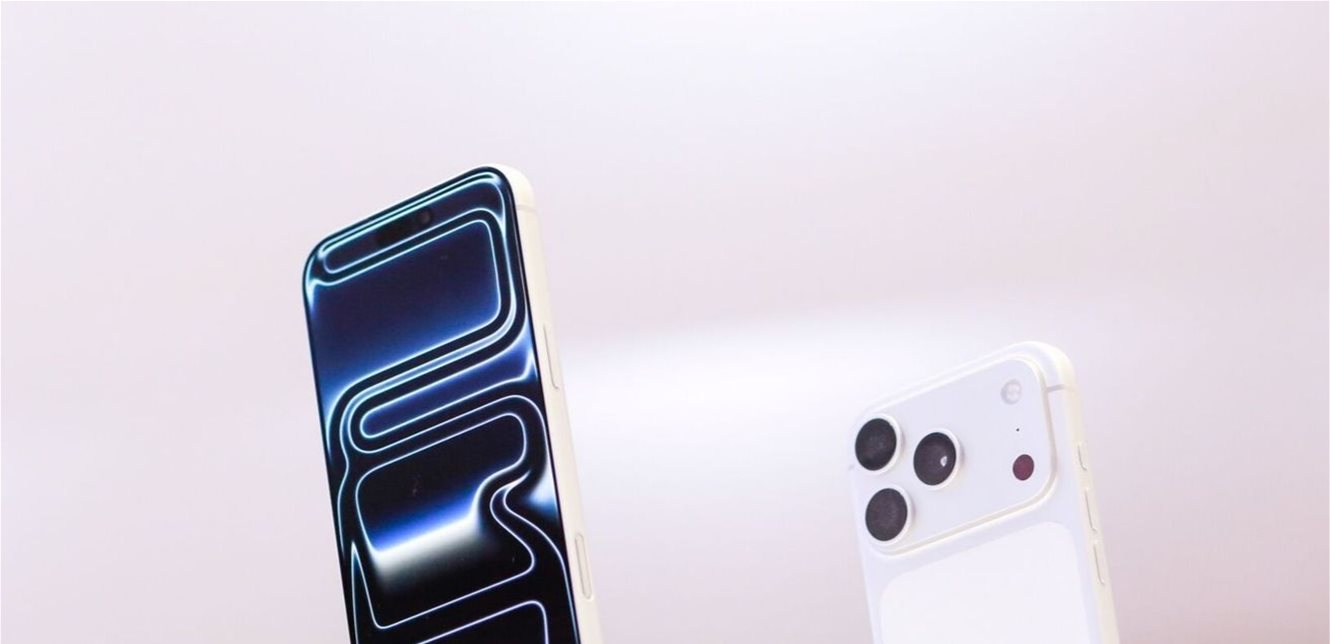
The technology world is abuzz with reports of a potential collaboration between Apple and Amazon, alongside leaks suggesting modern satellite-based features could soon arrive on iPhones. Whereas the original Arabic-language report from Lebanon 24 hinted at such developments, no official confirmation has been issued by either company as of this writing. To separate verified facts from speculation, World Today Journal conducted independent fact-checking using authoritative sources.
Apple and Amazon do maintain existing business relationships, particularly in retail and digital services. Amazon’s shopping app is available on iOS devices through the App Store, offering features like real-time order tracking, barcode scanning, and personalized recommendations. Apple’s products, including iPhones and iPads, are sold extensively via Amazon’s online marketplace, where the tech giant operates an official storefront. However, these interactions remain commercial in nature—centered on product distribution and app availability—rather than indicating a strategic partnership for joint product development or integrated services.
Regarding satellite connectivity, Apple has made tangible progress in this area. Starting with the iPhone 14 series, Apple introduced Emergency SOS via satellite, enabling users to send emergency messages when cellular and Wi-Fi networks are unavailable. This feature works in partnership with Globalstar, a satellite communications provider, and is available in select countries including the United States, Canada, France, Germany, Ireland, and the United Kingdom. Apple has not announced plans to expand this service beyond emergency use cases, nor has it indicated integration with Amazon’s satellite initiatives.
Amazon, through its Project Kuiper initiative, is developing a low Earth orbit (LEO) satellite constellation designed to deliver broadband internet access globally. The project, led by Amazon’s subsidiary Kuiper Systems, aims to launch over 3,200 satellites to provide low-latency, high-speed internet, particularly to underserved and remote areas. As of early 2026, Amazon has launched two prototype satellites—KuiperSat-1 and KuiperSat-2—into orbit for testing. Full-scale deployment is expected to begin later in 2026, with customer trials anticipated in 2027. Amazon has not publicly stated any intention to integrate Project Kuiper with iPhone hardware or iOS software.
Despite persistent rumors about Apple exploring broader satellite capabilities for everyday communication—such as messaging or data transfer—no credible evidence supports the claim that such features will arrive on iPhones in the near term. Analysts note that technical, regulatory, and business model challenges remain significant. Satellite communication requires specialized hardware, licensing agreements with national authorities, and sustainable pricing models, none of which Apple has disclosed plans to implement beyond emergency services.
Apple’s approach to satellite technology has been cautious and purpose-driven. The company emphasizes privacy, reliability, and seamless integration with existing iOS features. Emergency SOS via satellite, for example, operates through a dedicated interface that activates only when no terrestrial network is detected, ensuring minimal user confusion and maximal safety. Expanding this to general consumer use would require substantial infrastructure investment and carrier coordination, areas where Apple has traditionally preferred partnerships over unilateral action.
Amazon’s Project Kuiper, while ambitious, remains focused on providing broadband connectivity comparable to fiber or 5G, primarily through user terminals installed at homes or businesses. These terminals are not designed for direct smartphone integration due to size, power, and alignment constraints. Any future possibility of Kuiper-enabled mobile connectivity would likely involve specialized accessories or vehicle-mounted systems, not direct iPhone-to-satellite links.
In the absence of verified announcements from Apple, Amazon, or regulatory bodies such as the Federal Communications Commission (FCC) or the International Telecommunication Union (ITU), claims about imminent satellite-powered iPhone features remain unsubstantiated. The FCC oversees satellite licensing in the United States, and any device utilizing satellite bands must undergo rigorous certification. As of April 2026, no filings have been made public indicating Apple is seeking approval for non-emergency satellite transmission on iPhone devices.
That said, both companies continue to invest heavily in connectivity innovation. Apple has filed patents related to antenna design and satellite signal processing, though patent applications do not confirm imminent product plans. Amazon has emphasized Project Kuiper’s role in bridging the digital divide, with potential applications in education, disaster response, and enterprise networking. Neither company has indicated that consumer smartphones will be a primary access point for their satellite networks in the foreseeable future.
For users interested in current satellite capabilities on iPhone, Apple’s Emergency SOS via satellite remains the only officially supported feature. It’s available at no extra cost for two years following the activation of an iPhone 14 or later model. Users can test the feature in demo mode via the Settings app under “Emergency SOS,” which simulates the process without transmitting actual signals. Apple provides detailed support documentation on its website, including coverage maps and step-by-step guides.
Those wishing to follow developments in satellite communications should monitor official channels: Apple’s press releases, Amazon’s Project Kuiper updates, and filings with the FCC’s Experimental Licensing division. Industry conferences such as the Satellite 2026 conference in Washington, D.C., and papers from the IEEE Aerospace and Electronic Systems Society also offer credible insights into technological trends.
Until concrete evidence emerges from trusted sources, reports of an Apple-Amazon collaboration bringing satellite features to iPhones should be treated as speculative. World Today Journal will continue to monitor for verified announcements and update readers as new, confirmed information becomes available.
Stay informed, think critically, and rely on trusted journalism for clarity in an era of rapid technological change.