
The rivalry between Apple and Samsung has long defined the premium smartphone landscape, and the latest releases have only intensified this competition. With the unveiling of the Samsung Galaxy S26 series and the rollout of the iPhone 17 family, consumers are faced with two lineups that are closer in specification and design than ever before.
As the industry continues to evolve, the distinction between these two giants is no longer just about operating systems, but about how they iterate on high-end hardware and integrate artificial intelligence into the user experience. For global consumers, the choice between the Galaxy S26 and the iPhone 17 often comes down to a balance of entry price, storage requirements, and specific display preferences.
From a market perspective, the two companies maintain a dominant grip on the industry, though their strategies differ. Whereas Samsung offers a broad spectrum of devices—including the affordable Galaxy A and M series and the innovative Galaxy Z foldables—Apple maintains a more streamlined approach, focusing on a few high-margin variants and legacy models to cover different price points according to Android Authority.
The Cost of Premium: Price and Storage Breakdown
When analyzing the financial barrier to entry, Apple currently holds a pricing advantage for both the base and ultra-premium tiers. The iPhone 17 starts at $799, which is $100 lower than the starting price of the Galaxy S26 at $899.99 as detailed by PCMag. This trend continues at the top end of the market, where the iPhone 17 Pro Max begins at $1,199, while the Galaxy S26 Ultra starts at $1,299.99.
Storage options provide another point of divergence. Both brands have standardized a minimum of 256GB of storage across their latest flagship models. However, Apple offers a higher ceiling for power users; the iPhone 17 Pro Max is available in a 2TB configuration for $1,999, a capacity that Samsung does not offer in the S26 lineup per PCMag data. For those seeking a 1TB model, the Apple iPhone Pro Max is priced at $1,599, whereas the Galaxy S26 Ultra reaches $1,799.99 for the same capacity.
The mid-tier comparison is nearly a dead heat, with the Galaxy S26+ starting at $1,099.99, just 99 cents more than the iPhone 17 Pro’s $1,099 starting price.
Display Innovation and Hardware Design
One of the most significant shifts in this generation is Apple’s approach to its base model display. The iPhone 17 now features a ProMotion display with a 120Hz variable refresh rate, a feature previously reserved for the Pro models according to CNET. This update enables an always-on display and provides a smoother experience for scrolling and gaming, effectively closing a long-standing gap between the base iPhone and its Android competitors.
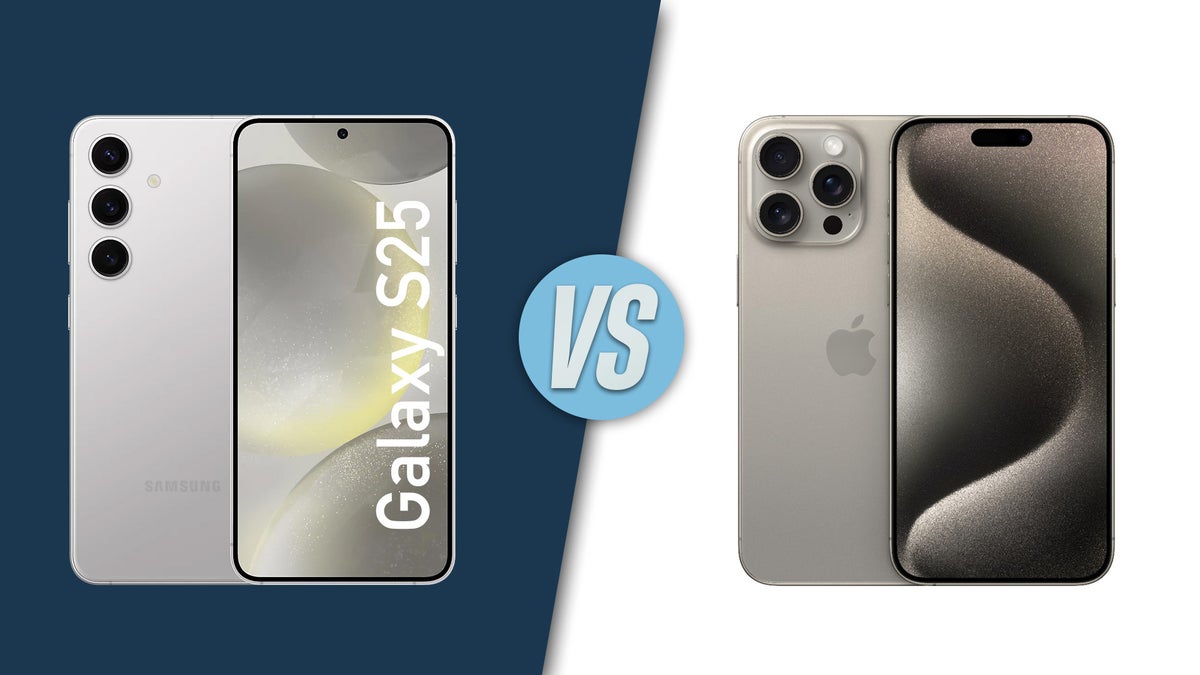
On the design front, both companies have converged on a similar aesthetic: rounded rectangular slabs with rounded corners. Samsung has further refined the Galaxy S26 Ultra to increase its visual cohesion. Both lineups utilize a rear camera assembly featuring three lenses housed in a pill-shaped section as noted by PCMag.
Under the hood, the iPhone 17 is powered by the A19 chip, which contributes to its performance gains over the previous generation per CNET reports. Samsung continues to lean into its diverse hardware ecosystem, positioning the S26 series as the pinnacle of its traditional flagship performance while the Z series handles the foldable market.
Software Evolution: iOS 26.1 vs. One UI 8
The software experience remains the primary differentiator for most users. Apple has introduced iOS 26.1 for the iPhone 17, which includes the ability for users to adjust the appearance of “Liquid Glass” on their devices according to CNET.
Samsung has responded with a combination of Android 16 and One UI 8. This software suite focuses heavily on AI-powered personalization and an interface optimized for various form factors, a direction that is also evident in the Galaxy Z Flip 7 as reported by CNET. The integration of AI into the core interface suggests that Samsung is prioritizing adaptability and user-centric customization to compete with Apple’s tightly integrated ecosystem.
Comparison of Flagship Entry Points
| Model | Starting Price | Min. Storage | Key Feature |
|---|---|---|---|
| iPhone 17 | $799 | 256GB | 120Hz ProMotion Display |
| Galaxy S26 | $899.99 | 256GB | Refined S-Series Design |
| iPhone 17 Pro Max | $1,199 | 256GB | Up to 2TB Storage |
| Galaxy S26 Ultra | $1,299.99 | 256GB | Premium Ultra-Flagship Build |
Market Dynamics and Global Reach
While both brands are achieving success, their market dominance varies by region. In the United States, Apple has historically maintained a stronger lead; in the first quarter of 2023, Apple claimed 52% of the local smartphone market, while Samsung held 27% according to Android Authority.
Samsung’s strategy to capture a wider audience involves a tiered product lineup. By offering the Galaxy A and M series, Samsung targets budget-conscious users who require respectable specifications without the flagship price tag. Apple’s approach to the budget market is different, primarily relying on the sale of older models—such as the iPhone 15, 14, and 13—as well as the iPhone SE per Android Authority.
This divergence in strategy means that while Apple dominates the high-end luxury segment in several key markets, Samsung maintains a broader global footprint by catering to multiple economic demographics through its varied hardware tiers.
As we glance forward, the industry’s focus is shifting toward how these devices handle the next wave of generative AI. With Samsung’s One UI 8 already implementing AI-driven personalization and Apple refining its software experience, the “success” of these devices will likely be measured by software utility rather than just hardware specifications.
The next major milestone for the industry will be the anticipated refresh of the iPhone SE, which is expected to update Apple’s entry-level offering later this year according to Android Authority.
Do you prefer the streamlined ecosystem of the iPhone 17 or the versatile options of the Galaxy S26? Share your thoughts in the comments below.
Worth a look
- Google Launches Lyria 3.5: Next-Gen AI Music Generation Now in Flow Music
- Zenith Defy: New Rare Model Blends Bold Carbon and Blue Lapis Lazuli
- Spy Shots: Ferrari 12Cilindr, BMW i4 Convertible and Range Rover Sport – Specialty Equipment Market (archyde.com)
- Apple Calls UK App Store Proposal a Price Regulation (world-today-news.com)