
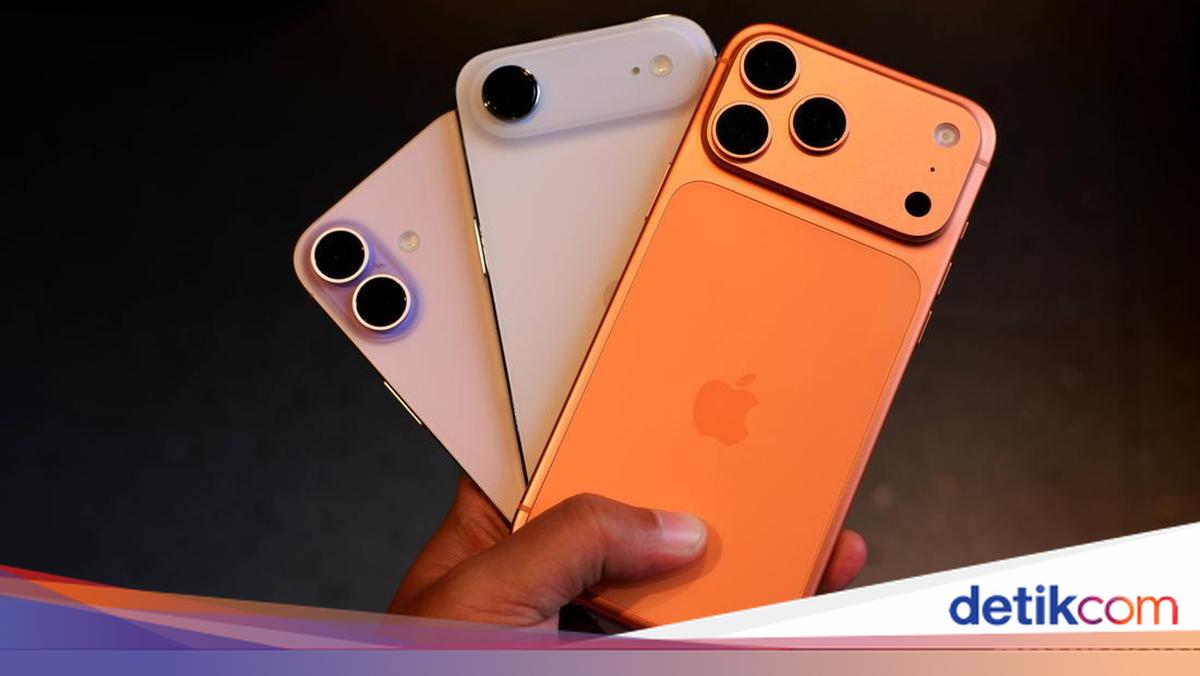
Apple has reported a historic surge in demand for its latest smartphone lineup, declaring the iPhone 17 series the most popular in the company’s history. The milestone comes as part of a record-breaking fiscal second quarter, characterized by double-digit growth across every geographic segment and a significant rebound in the critical Chinese market.
In financial results released on April 30, 2026, Apple posted quarterly revenue of $111.2 billion
, representing a 17 percent increase compared to the same period last year. This performance marks the company’s best March quarter ever, driven by what CEO Tim Cook described as demand that was off the charts
for the iPhone 17 family according to the company’s official newsroom.
Despite the record revenue, the company faced headwinds in its supply chain. Tim Cook noted that the company could have sold even more units had supply not been constrained by advanced processor nodes, specifically affecting the A19 and A19 Pro chips produced by TSMC as detailed in the Q2 earnings call.
The iPhone 17 Catalyst: Market Share and Regional Growth
The success of the iPhone 17 series has allowed Apple to recapture momentum in global markets. Apple CFO Kevan Parekh confirmed to the Financial Times that the company believes it gained market share during the quarter, attributing the stellar performance to the broad appeal of the new lineup.

The growth was particularly pronounced in China, where sales surged by 28 percent compared to a year ago. This rebound is a pivotal development for Apple, as the region had previously faced stiff competition from domestic brands and fluctuating consumer sentiment.
The iPhone 17 family’s dominance is not just a matter of volume but of strategic positioning. The lineup includes a diverse range of models, from the high-end Pro series to the more affordable iPhone 17e, which was introduced in March 2026 to capture the entry-level market per Apple’s announcement. The 17e features the A19 chip and Apple’s C1X cellular modem, which is reportedly up to two times faster than the predecessor found in the iPhone 16e.
Diversification Beyond the iPhone
While the iPhone remains the primary engine of growth, Apple’s broader ecosystem showed strong resilience. The company’s Services segment reached a new all-time high, with revenue hitting $30.98 billion
for the quarter. This growth highlights Apple’s successful transition toward a recurring revenue model through subscriptions and digital services.
the Mac category saw a notable boost. Revenue for Mac exceeded $8.4 billion
, a success attributed in part to the launch of the MacBook Neo, a new model priced at $500 designed to appeal to a broader student and entry-level professional demographic according to market reports.
Capital Return Strategy: The $100 Billion Buyback
Parallel to its operational success, Apple is executing a massive capital return strategy to reward shareholders. The company’s board of directors has authorized an additional share repurchase program totaling $100 billion
as reported by CNBC.
This move is accompanied by a 4 percent increase in the quarterly dividend, raising it to $0.27 per share
. For investors, this strategy serves as a counterpoint to other “Magnificent Seven” tech giants, such as Microsoft and Alphabet, who have pivoted more heavily toward massive capital expenditures in AI infrastructure. Apple’s approach focuses on shrinking the share count to boost earnings per share (EPS), which grew 22 percent year-over-year to $2.01
this quarter according to Gotrade analysis.
Key Financial Metrics: Q2 2026 Summary
The following table summarizes the core financial performance of Apple for the fiscal second quarter ended March 28, 2026:
| Metric | Value | Year-over-Year Change |
|---|---|---|
| Total Revenue | $111.2 Billion | +17% |
| Diluted EPS | $2.01 | +22% |
| Net Profit | $29.6 Billion | +19% |
| Services Revenue | $30.98 Billion | All-time high |
| China Sales Growth | N/A | +28% |
What This Means for the Global Tech Landscape
The unprecedented popularity of the iPhone 17 suggests that Apple has successfully navigated the “AI transition” that analysts have been watching closely. By integrating advanced silicon and a more varied product tier, Apple has managed to stimulate a hardware upgrade cycle among users who had previously held onto older devices.
The “off the charts” demand also underscores the ongoing challenge of semiconductor logistics. The dependency on TSMC for the A-series chips remains a critical vulnerability; any further constraints in processor nodes could cap Apple’s ability to meet consumer demand in the coming quarters.
For the global audience, this indicates a shift in consumer behavior where the “entry-level” luxury (the iPhone 17e) and the “ultra-premium” Pro models are both finding strong footing, allowing Apple to penetrate different economic strata simultaneously.
Next Checkpoint: Investors and analysts will look toward Apple’s next quarterly earnings call and the subsequent fiscal 2027 guidance, which will reveal if the company can maintain this growth trajectory and resolve its supply chain constraints.
Do you believe the iPhone 17’s success is a result of genuine innovation or a long-awaited upgrade cycle? Share your thoughts in the comments below.