Apple’s rollout of Apple Intelligence, the company’s long-awaited overhaul of its artificial intelligence ecosystem, is currently facing significant geographic restrictions that will prevent its deployment across the European Union. While the technology is slated to debut alongside iOS 18—the operating system update following the current iteration—regulatory hurdles concerning the Digital Markets Act (DMA) have forced Apple to pause the release for users within the bloc.
According to an official statement released by Apple, the company cited concerns regarding the interoperability requirements mandated by the European Commission as the primary reason for the delay. The Digital Markets Act, which aims to ensure fair competition among “gatekeeper” technology firms, includes provisions that Apple argues could compromise the privacy and security of its users if the company were to comply fully with current interpretations of the law.
The decision impacts a wide range of features, including the enhanced capabilities of Siri, the integration of generative AI models into system-wide writing tools, and the new “Image Playground” functionality. While Apple Intelligence is expected to become available to users in the United States and other regions later this year, the timeline for European users remains uncertain as the company negotiates with Brussels regulators.
Regulatory Tensions and the Digital Markets Act
The primary driver behind the restricted release is the European Union’s Digital Markets Act (DMA), a comprehensive set of regulations designed to prevent large technology companies from leveraging their platforms to stifle competition. Under the DMA, companies classified as “gatekeepers”—a designation that includes Apple—are required to ensure that their services can interoperate with competing third-party products.

Apple has expressed concern that these mandates could force the company to open up its ecosystem in ways that threaten the integrity of its “walled garden” approach to privacy. Specifically, the company stated that it fears the requirements could force it to downgrade the security protocols that protect user data, particularly when AI models process sensitive information on-device or within the company’s Private Cloud Compute infrastructure.
In a statement provided to Reuters, an Apple spokesperson noted that the company is “committed to working with the European Commission” to find a solution that satisfies regulatory requirements without compromising the safety of its users. The impasse highlights a growing trend of friction between Silicon Valley’s rapid AI development cycles and the European Union’s stringent consumer protection and competition laws.
What Features Are Affected?
The exclusion from the initial rollout encompasses the core suite of generative AI tools that Apple showcased during its recent developer events. These features represent a fundamental shift in how the operating system interacts with the user, moving toward a more proactive, context-aware interface.
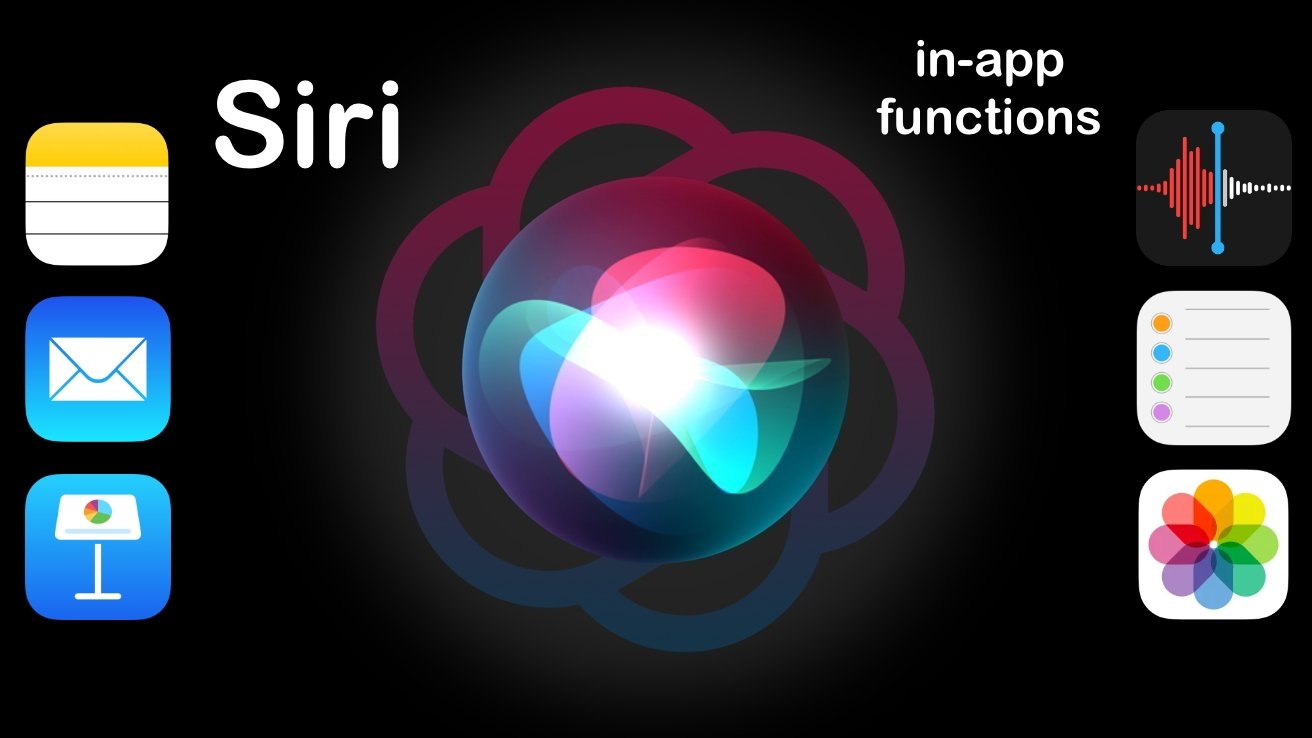
The specific features currently unavailable to European users include:
- Advanced Siri: The revamped version of Apple’s virtual assistant, which features improved language understanding and the ability to perform cross-app actions, will not be functional in the EU at launch.
- System-wide Writing Tools: Tools that allow users to proofread, rewrite, and summarize text across various applications will remain disabled.
- Image Playground and Genmoji: Generative features that allow for the creation of custom images and emojis via text prompts are similarly restricted.
- Enhanced Mail and Notification Summaries: Intelligent sorting and summary features for emails and notifications are also excluded from the regional update.
Users in the affected regions will continue to receive standard security updates and general software improvements for their devices, but they will not gain access to the new AI-powered tools that define the next generation of the Apple experience.
Implications for Global Users
For users outside of the European Union, the rollout of Apple Intelligence is expected to proceed as planned, with the first features arriving in English (U.S.) in the coming months. According to Apple’s official documentation, the system will prioritize on-device processing for most tasks, utilizing the company’s proprietary silicon to ensure that user data remains private.

For more complex requests that require greater computational power, the system will leverage “Private Cloud Compute,” which Apple claims is designed to protect user privacy by ensuring that data is never stored or made accessible to the company. Industry analysts suggest that this architecture is a direct response to increasing consumer demand for privacy-first AI solutions, though it remains to be seen how regulators in other jurisdictions will evaluate these claims.

As the company prepares for the wider release, it continues to monitor feedback from developers and regulators alike. The next major checkpoint for the company’s software roadmap is the scheduled public release of iOS 18, which is expected to occur in the fall of 2024. Observers suggest that further announcements regarding the EU situation may arrive during subsequent earnings calls or via official updates from the European Commission.
Readers interested in tracking the status of these features can monitor the official Apple Newsroom for the most recent updates on regional availability and feature rollouts.