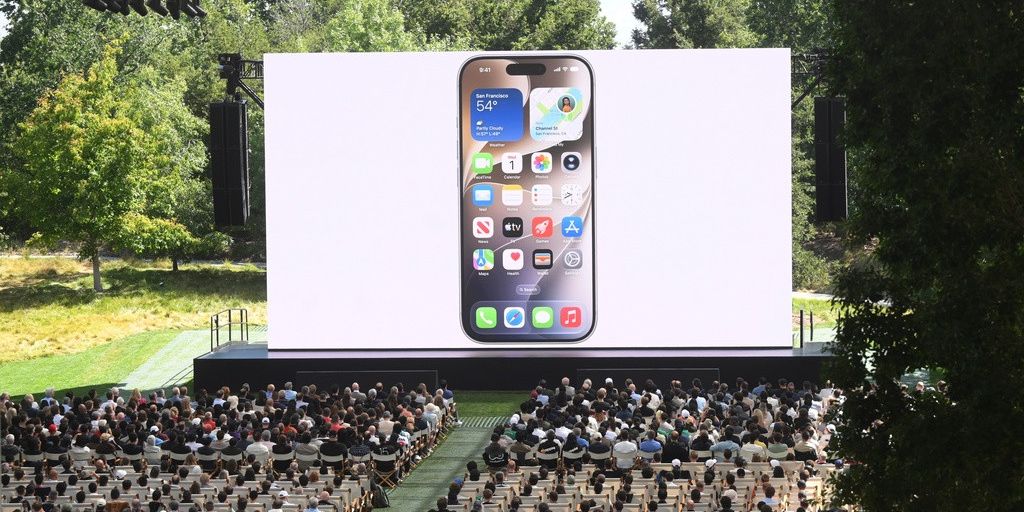
Apple has officially introduced a new era for its digital assistant, unveiling “Apple Intelligence”—a generative AI system integrated into the latest iteration of Siri. Announced during the company’s recent developer conference, the initiative represents a significant shift in how the Cupertino-based tech giant approaches artificial intelligence, moving beyond traditional voice commands toward more context-aware, generative capabilities. The update is slated for a phased rollout later this year, promising deeper system integration across Apple’s hardware lineup, including the iPhone, iPad, and Mac.
For users, this transition marks the most substantial overhaul of Siri since its inception. By leveraging Apple Intelligence, the assistant is designed to perform more complex tasks across apps, providing a more intuitive experience that prioritizes privacy and on-device processing. This move follows a period of intense industry focus on generative AI, positioning Apple to compete directly in a market currently dominated by cloud-heavy language models. According to official company disclosures, the new Siri will be capable of understanding personal context while maintaining the strict data protection standards that define the Apple ecosystem Apple Newsroom.
The Evolution of Siri through Apple Intelligence
The core of this new strategy is the integration of generative models directly into the operating system. Unlike previous versions of Siri, which relied on predefined scripts for specific queries, the revamped assistant uses Apple Intelligence to interpret intent more accurately. This allows for fluid, multi-step interactions where the assistant can pull data from various applications—such as messages, photos, and notes—to provide actionable answers. The company emphasizes that much of this processing occurs locally on the device, minimizing the need to send personal data to external servers Apple Intelligence Preview.
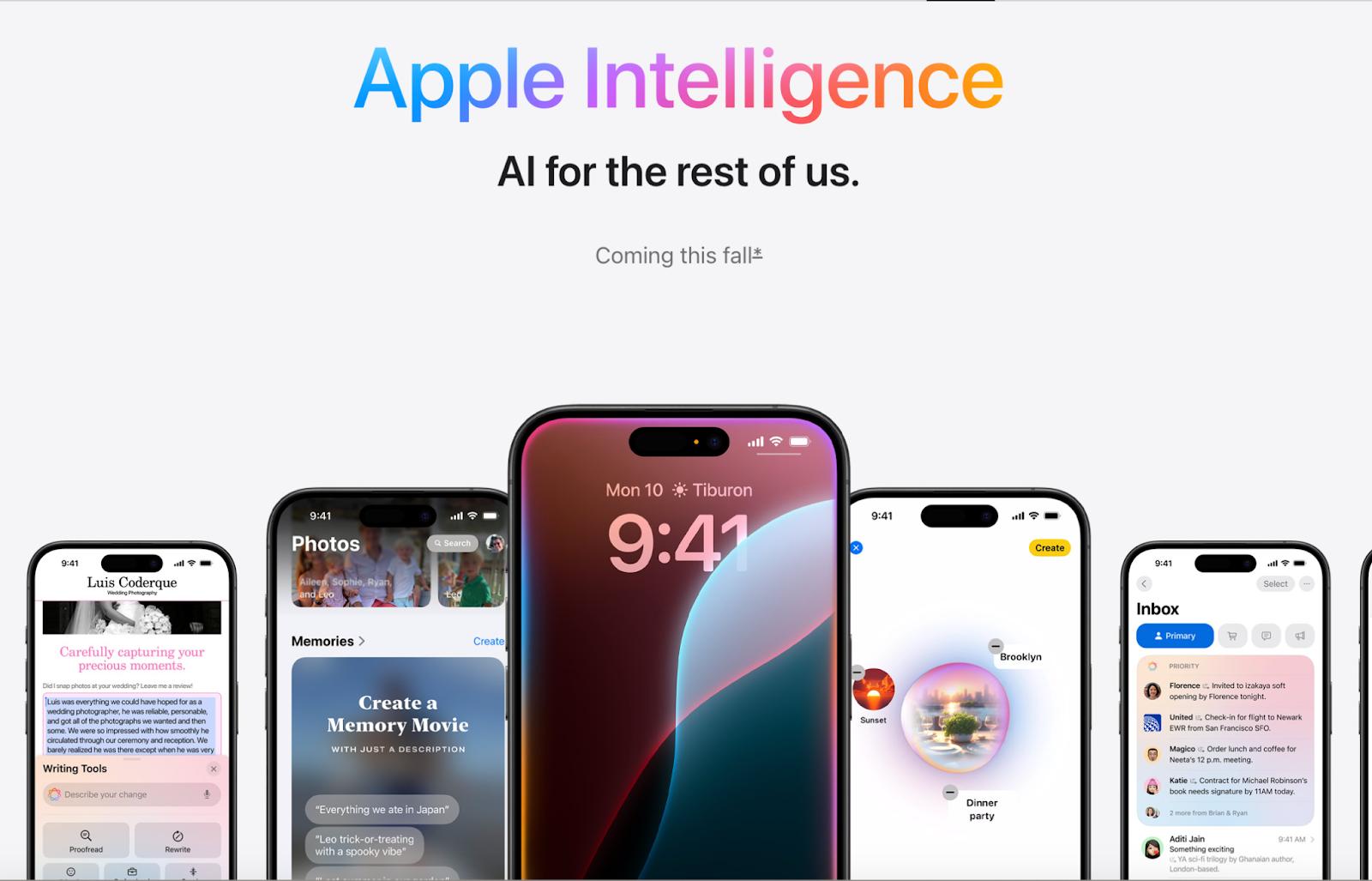
This architectural shift is intended to address long-standing user feedback regarding the assistant’s limitations in handling complex, multi-layered requests. By embedding these capabilities at the system level, Apple aims to make Siri a more proactive partner in daily tasks, such as summarizing notifications, drafting complex emails, or managing cross-app workflows. The initiative is part of a broader software update cycle, with features expected to arrive on compatible devices starting later in 2026 Apple Intelligence Updates.
Hardware Compatibility and System Requirements
A central question for current users is hardware support. Apple’s latest AI features require significant processing power, which has led to a focus on the company’s proprietary silicon. Recent hardware, such as devices powered by the M4 and M5 chips, is optimized to handle these intensive machine-learning workloads. While the software updates will be available to a broad range of devices, the most advanced Apple Intelligence features will be limited to hardware capable of running the necessary neural engine architecture locally Apple Device Support.
The company has also integrated enhanced child safety features as part of its broader commitment to secure computing. These parental controls are designed to be more intuitive, allowing for easier management of digital content and screen time across family-linked accounts. By focusing on privacy-first AI, Apple is attempting to differentiate its product from competitors that rely more heavily on large-scale data collection. This approach reflects the company’s long-standing business model, which prioritizes hardware sales and integrated services over advertising-driven data monetization Apple Inc. Corporate Overview.
What Happens Next?
The rollout of Apple Intelligence begins in the coming months, with the company providing regular updates through its developer and public beta channels. Users can expect the first wave of these features to arrive alongside the next major operating system release, which is standard for the company’s annual software cadence. For those interested in tracking the specific availability of these tools, Apple maintains an official portal for system status and feature previews. As the technology matures, further integration with third-party applications is expected, potentially expanding the scope of what the assistant can accomplish within the broader software ecosystem.
Readers are encouraged to monitor the official Apple website for the most accurate information regarding device compatibility and feature release schedules. As we head into the next quarter, the industry will be watching closely to see how effectively these AI-driven tools perform in real-world scenarios compared to existing generative models. We invite you to share your thoughts on these developments in the comments section below.