
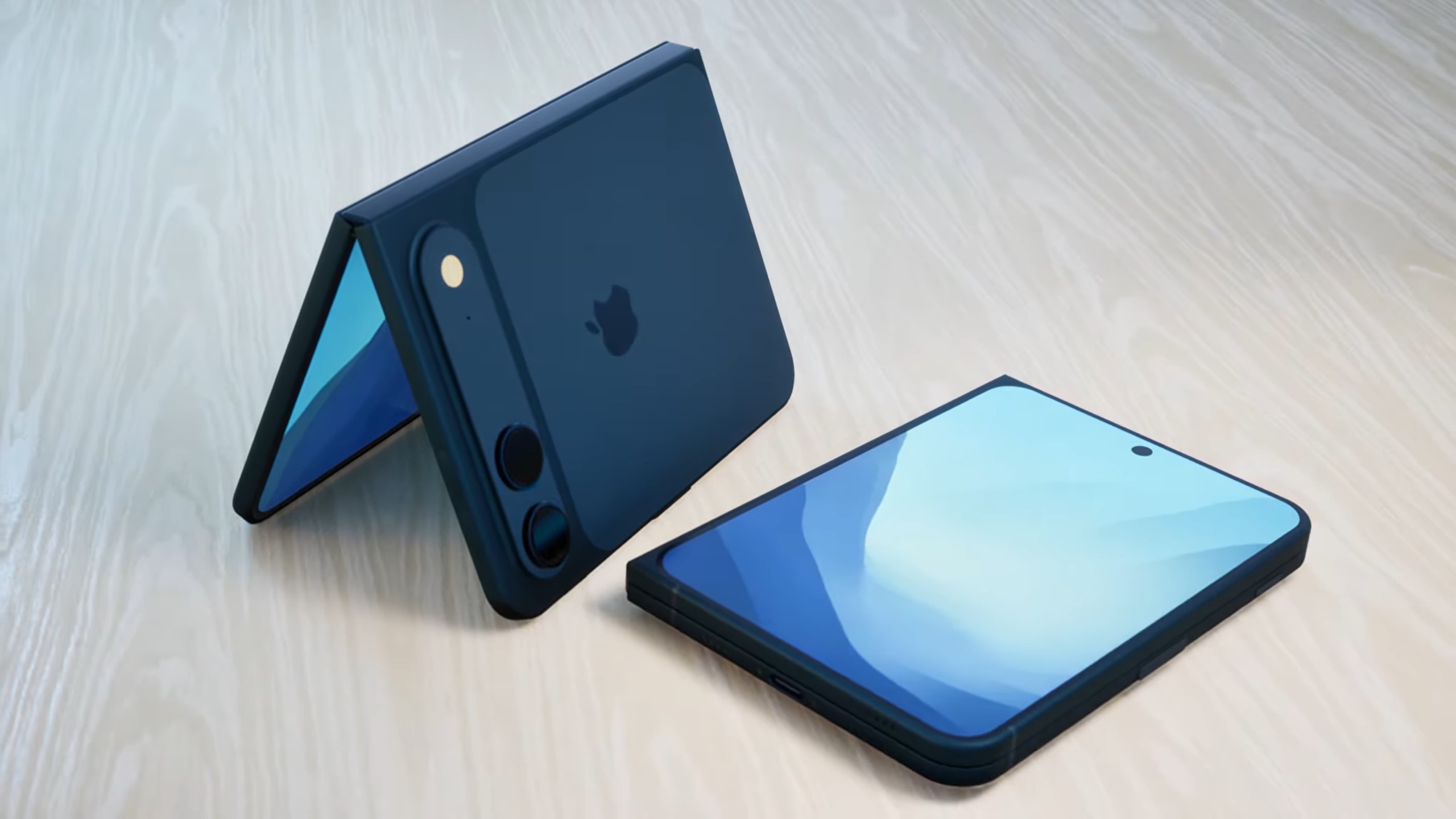
Apple is preparing to enter the foldable smartphone market with a device that promises to redefine the boundary between the iPhone and the iPad. For years, rumors of a “foldable iPhone” have circulated through the tech industry, but recent reports suggest the company has finally settled on a design and a launch window, positioning the device as a cornerstone of its future hardware strategy.
The highly anticipated device, often referred to in industry leaks as the “iPhone Fold,” is expected to debut as part of the iPhone 18 Pro lineup in September 2026 according to MacRumors. This move represents a significant strategic pivot for Apple, which has historically waited for foldable technology to mature—specifically regarding screen creases and hinge durability—before committing to a consumer release.
From a business perspective, this launch is not merely a new product category but a calculated attempt to capture the high-complete productivity market. By blending the portability of a smartphone with the screen real estate of a tablet, Apple is targeting power users who currently juggle multiple devices for work and media consumption. Bloomberg reporter Mark Gurman has described the project as the “most significant overhaul in the iPhone’s history” via MacRumors.
Design Specifications and the ‘Book-Style’ Approach
Unlike some competitors who have experimented with “flip” styles that fold vertically, Apple has opted for a book-style foldable design. This orientation makes the device wider than it is tall when unfolded, allowing it to function as a hybrid between a traditional phone and a compact tablet.
The technical specifications suggest a device that prioritizes extreme thinness and structural integrity. The foldable iPhone is expected to be as thin as 4.5mm, which would make it the thinnest iPhone Apple has ever produced according to MacRumors. To compensate for this thin profile and ensure the device can withstand the stresses of repeated folding, Apple is reportedly utilizing a titanium chassis.
The display dimensions are designed to mimic the utility of the iPad mini. When closed, the device will feature a display of approximately 5.5 inches. Once opened, the screen expands to 7.8 inches, slightly smaller than the 8.3-inch display found on the current iPad mini per MacRumors. This unfolded state will utilize a 4:3 aspect ratio, a signature of Apple’s tablet experience, to provide an iPad-like interface for productivity and content creation.
Engineering the ‘Crease-Free’ Experience
One of the primary reasons for Apple’s delayed entry into the foldable market has been its obsession with the “crease”—the visible line that forms in the center of the screen on most foldable devices. Apple’s engineering focus has been centered on creating a display that is as close to crease-free as possible, ensuring that the visual experience remains seamless whether the device is open or closed.
This pursuit of perfection extends to the hinge mechanism. The company has invested significant research and development into a durable hinge that can withstand thousands of cycles without losing tension or damaging the internal OLED panel. The goal is to eliminate the tactile and visual reminders of the fold, maintaining the premium aesthetic associated with the Pro lineup.
Market Implications and the iPhone 18 Pro Lineup
The decision to integrate the foldable into the iPhone 18 Pro series suggests that Apple views this not as a separate “experiment” (like the original iPad was to the Mac), but as the new ceiling for its flagship offerings. By launching it alongside the iPhone 18 Pro and iPhone 18 Pro Max, Apple is signaling that the foldable is the ultimate expression of the “Pro” brand.
This strategy allows Apple to maintain its ecosystem lock-in while offering a new value proposition. The ability to transition from a standard smartphone interface to an iPad-like experience in a single device could disrupt the sales of entry-level iPads, but it likely opens a new revenue stream in the ultra-premium segment where consumers are willing to pay a significant premium for cutting-edge form factors.
Key Anticipated Specifications
| Feature | Expected Specification |
|---|---|
| Closed Display | ~5.5 inches |
| Open Display | 7.8 inches (OLED) |
| Aspect Ratio | 4:3 (Unfolded) |
| Thickness | 4.5mm |
| Chassis Material | Titanium |
| Expected Launch | September 2026 |
While the industry continues to speculate on the final naming convention—with “iPhone Fold” being a common placeholder—it is unlikely Apple will adopt a name that mirrors Samsung’s “Galaxy Fold” too closely. The company will likely choose a designation that emphasizes the device’s hybrid nature or its position within the Pro hierarchy.
The next major checkpoint for this development will be the lead-up to the autumn 2026 hardware event, where Apple is expected to officially unveil the iPhone 18 series. Until then, the industry will be watching for further leaks regarding the software optimizations required to make iOS truly fluid on a folding 4:3 display.
Do you believe a foldable design is the necessary next step for the iPhone, or is the current slab design still superior for daily use? Share your thoughts in the comments below.