
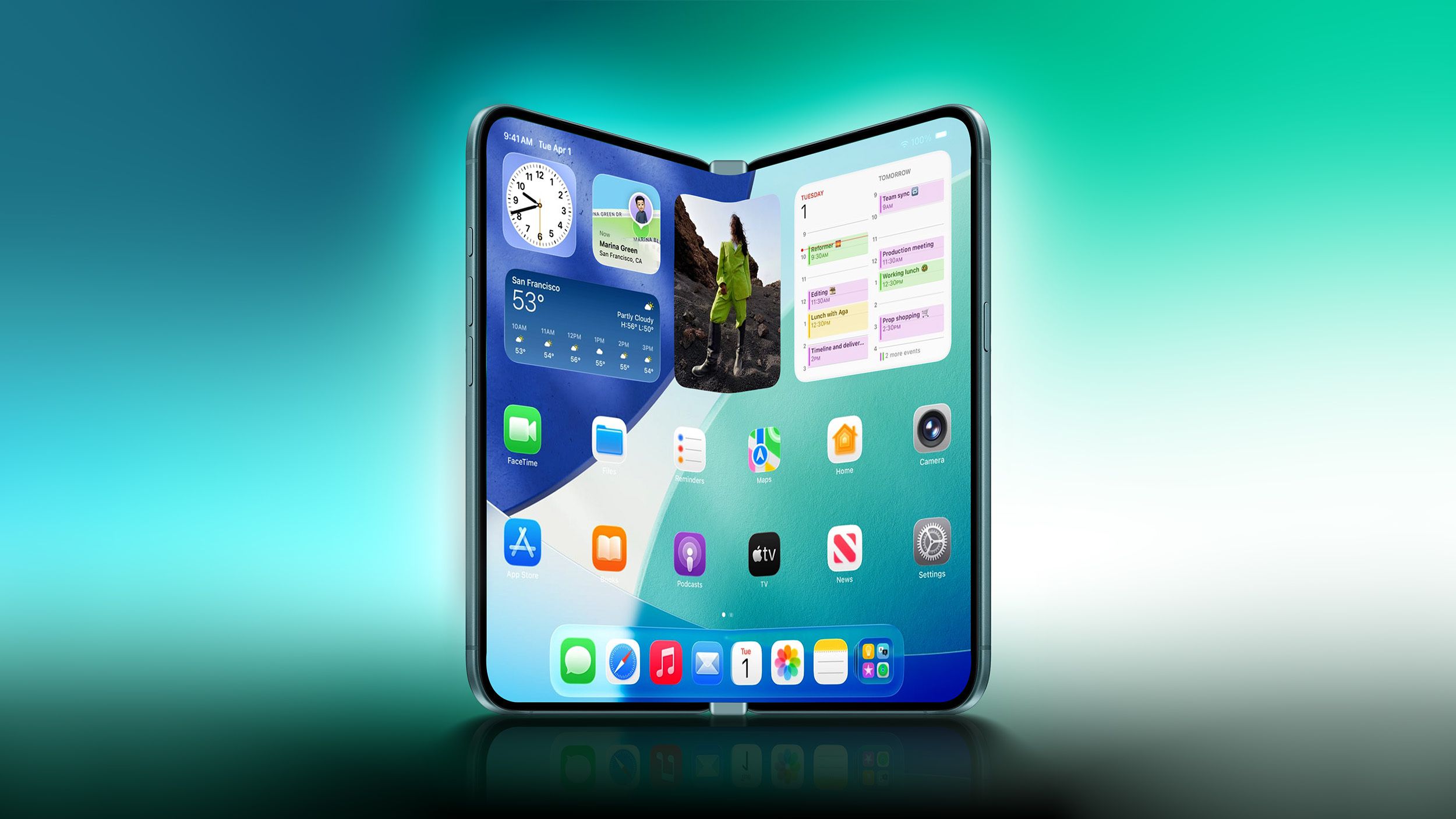
Apple is reportedly preparing to enter the foldable smartphone market with a high-end device that could redefine the company’s pricing strategy. According to reports from Bloomberg’s Mark Gurman, the long-awaited foldable iPhone is expected to debut in September, potentially arriving alongside the iPhone 18 Pro and Pro Max. This move marks a significant shift for the Cupertino-based giant as it attempts to capture the premium foldable segment.
The most striking detail emerging from recent leaks is the iPhone Ultra’s price range, which is expected to push the device into uncharted territory for consumer smartphones. Gurman indicates that the foldable iPhone is expected to “cross the $2,000 threshold” in the U.S. Market. While it remains unclear whether this figure represents the base model or specific high-capacity configurations, the device is poised to become the most expensive iPhone ever released.
To position this in perspective, the current ceiling for Apple’s smartphone lineup is the iPhone 17 Pro Max, which reaches up to $1,999 in the U.S. when configured with 2TB of storage. If the foldable model starts at the $1,999 mark, industry analysts suggest that a maximum storage configuration could potentially drive the price as high as $2,799, mirroring the price tiers seen in previous Pro Max releases.
The adoption of the “Ultra” branding would align the phone with Apple’s other high-performance, premium offerings, such as the Apple Watch Ultra and the M-series Ultra chips used in the Mac Studio. This nomenclature signals a product designed for power users who prioritize cutting-edge hardware and multitasking capabilities over cost.
Engineering a Solution to Foldable Flaws
Apple’s entry into the foldable market is not merely about adding a new form factor, but about solving the engineering hurdles that have plagued competing devices. According to Mark Gurman, Apple engineers believe they have addressed two critical issues: screen quality and overall durability. These “long-running flaws” have historically been the primary deterrents for consumers hesitant to switch to foldable technology reported by Bloomberg.

A central point of contention in foldable design is the “crease”—the visible line where the screen folds. While some early rumors suggested a virtually “crease-free” inner display, more recent reporting indicates a more nuanced approach. Apple is reportedly using technology that reduces the visibility of the crease when the device is unfolded, though it may not eliminate it entirely. This focus on refined aesthetics is a hallmark of Apple’s approach to hardware iteration.
The device is expected to utilize a “book-style” design, meaning it opens horizontally. This configuration allows for a massive 7.7-inch inner screen, optimized for immersive video consumption, gaming, and a multitasking interface that supports side-by-side applications. To maintain usability while closed, the device is rumored to feature a 5.3-inch outer display.
Hardware Specifications and User Interface
Beyond the folding mechanism, the iPhone Ultra is expected to diverge from standard iPhone biometric patterns. Reports suggest the device will feature a Touch ID power button instead of the traditional Face ID system. This change may be a necessity of the book-style form factor or a strategic choice to streamline the bezel of the outer display.
The camera array is also expected to be streamlined, with rumors pointing to two rear cameras and a single front-facing camera. This suggests that while the device is “Ultra” in size and price, Apple may be balancing the internal space required for the folding hinge and battery with a focused camera setup.
The launch of this device is part of a broader strategy to push deeper into the high-end market. Mark Gurman has noted that Apple is considering a full line of “Ultra” products. This potential ecosystem could include not only the foldable iPhone but also an M6 MacBook Pro with OLED and touch support, as well as a foldable iPad featuring a rumored 18.8-inch display via CNET.
Comparison of Rumored Foldable Specs vs. Standard Pro Models
| Feature | iPhone Ultra (Rumored) | iPhone 17 Pro Max (Current High-End) |
|---|---|---|
| Form Factor | Foldable (Book-style) | Standard Slab |
| Inner Display | 7.7-inch | N/A |
| Outer Display | 5.3-inch | 6.7-inch+ |
| Biometrics | Touch ID Power Button | Face ID |
| Estimated Price | $2,000+ | Up to $1,999 |
Market Timing and Potential Delays
Despite the momentum toward a September launch, the timeline is not without conflict. While Bloomberg reports the device is on track for a fall release, Nikkei Asia has reported that the phone might not launch until 2027. This discrepancy is attributed to unexpected issues that allegedly surfaced during the engineering test phase, requiring “necessary adjustments” before mass production according to CNET.
The impact of these conflicting reports has already been felt in the financial markets. The Nikkei Asia report was reportedly significant enough to cause Apple’s stock to drop 5.1% before eventually rebounding. This volatility underscores the high expectations investors and consumers have for Apple’s first foray into foldables.
If the September timeline holds, the iPhone Ultra will likely be unveiled alongside the iPhone 18 Pro series. This would coincide with other rumored high-end releases, including new AirPods equipped with computer-vision cameras and a new MacBook Pro featuring OLED technology via 9to5Mac.
For consumers, the “what happens next” depends entirely on Apple’s official September event. Until then, the industry is watching dummy models and supply chain leaks to gauge the final dimensions and weight of the device. Early images of dummy models suggest a nearly square shape when fully opened, providing a glimpse into how the device will handle the transition from a phone to a tablet-like experience.
The next major checkpoint for the tech world will be Apple’s traditional September keynote, where the company is expected to officially confirm its 2026 hardware lineup. We encourage our readers to share their thoughts in the comments: would a $2,000+ price tag be a dealbreaker for a foldable iPhone, or does the promise of a “crease-free” experience justify the premium?