
Europe’s consumer technology market faces intensifying supply chain pressures as widespread DRAM shortages impact Apple hardware availability across the region, leading to significant delivery delays for MacBook Air models and other high-end computing devices. According to industry reports and retail logistics data from August 2026, the global crunch for dynamic random-access memory has rippled through semiconductor supply chains, constraining production capacity just as manufacturers grapple with surging demand for artificial intelligence infrastructure and advanced processing components.
The supply constraints have visibly altered retail availability and delivery timelines within the Apple Online Store, where standard configurations for current MacBook Air units now carry shipping estimates of two to three weeks. For custom hardware configurations, buyer wait times stretch beyond a month. Detailed regional logistics data from early August underscored the depth of the bottleneck, contrasting briskly moving entry-level stock against severe backlogs for performance systems. For instance, a 13-inch MacBook Air M5 equipped with 16 GB of RAM and a 512 GB solid-state drive logged delivery windows of 15 to 22 days, while high-end configurations like the Mac Studio powered by the M4 Max chip faced extended wait times stretching from 56 to 70 days, according to supply chain trackers.
To maintain market momentum amid the tightening hardware availability, retailers and manufacturers have deployed varying pricing strategies. Online marketplaces such as Amazon recently listed the 13-inch MacBook Air M5 with 16 GB of RAM and 512 GB of storage at 1,243 US dollars, offering a slight discount from its standard 1,299 US-dollar retail price, while the 15-inch counterpart in the same configuration traded at 1,399 US dollars down from 1,499 US dollars. Meanwhile, Apple has utilized its official refurbished inventory program to offer the 13-inch MacBook Air M5 configuration at 1,099 US dollars. These pricing dynamics follow a broad retail price adjustment implemented by the company in June 2026, which had elevated the baseline price point for the 13-inch line from 1,099 US dollars to 1,299 US dollars.
DRAM Bottlenecks and Semiconductor Pressures
Industry analysts point directly to acute memory component scarcity as the primary driver behind the hardware instability. Prominent technology analyst Ming-Chi Kuo reported that Apple has been forced to scale back projected hardware shipments for the 2026 calendar year due to constrained DRAM component allocations. This memory deficit extends across multiple product lines, affecting the Mac mini, Mac Studio, and upcoming mobile hardware generations.
Market intelligence data compiled by TrendForce highlights the heavy financial burden placed on hardware makers by soaring component costs, noting that DRAM pricing surged by 98 percent during the first quarter of 2026, with subsequent quarterly increases projected between 58 and 63 percent. Apple CEO Tim Cook characterized the operating environment in a statement as a historic supply shock, comparing the scale of the disruption to a severe flood. Regional manufacturing partners, including supplier Catcher, similarly reported declining notebook shipment volumes and corresponding revenue contractions as component shortfalls restricted final assembly lines.
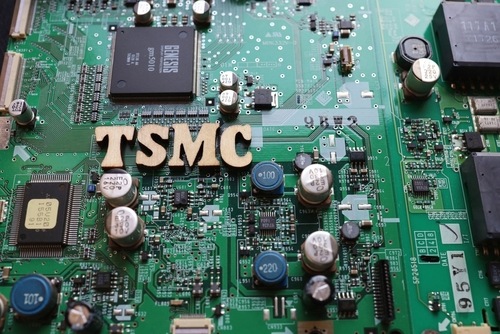
Corroborating data from broader semiconductor tracking indicates that the memory squeeze extends deeply into advanced manufacturing ecosystems. According to market analyses published by TradingKey, approximately 1 billion US dollars in Apple processor orders processed through Taiwan Semiconductor Manufacturing Company faced packaging delays because finishing facilities lacked the necessary supporting memory components to complete advanced co-packaging steps. As global foundry capacities prioritize high-margin high-bandwidth memory and server-grade DRAM to service the explosive expansion of artificial intelligence data centers, traditional consumer electronics sectors face intensified allocation pressures.
Strategic Shifts and Market Outlook
In response to the persistent component deficit, Apple is reportedly exploring alternative sourcing arrangements. According to Wall Street Journal coverage, the company has investigated utilizing memory chips produced by CXMT, primarily for devices destined for the Chinese market, though any such cooperative agreement would require clearance from the White House.
Despite these manufacturing hurdles, corporate financial disclosures reveal robust operational performance, with Apple posting a quarterly revenue figure of 109.42 billion US dollars and a diluted earnings per share of 2.02 US dollars alongside a 27-cent dividend payout. Nevertheless, industry observers caution that hardware consumers will likely face a prolonged period of elevated pricing and restricted choice. Supply chain forecasts from memory manufacturer SK Hynix suggest that the market deficit may reach its trough through 2027 before meaningful capacity recovery begins in 2028. Other industry executives have warned that structural component instability could persist across the semiconductor sector for up to ten years, potentially capping production volumes for future flagship mobile platforms such as the iPhone 18 Pro and foldable devices.
Market analysts currently advise enterprise and retail buyers requiring baseline computing systems with 16 GB of memory to secure available stock promptly, as comprehensive price corrections across the personal computer market are not anticipated prior to 2028.
Keep reading