San Francisco, CA – Apple’s recent product announcements, delivered via a series of press releases this week, have stirred up a familiar debate: can Apple truly deliver affordable technology without compromising its brand identity? The unveiling of the MacBook Neo, starting at $599, marks a significant departure for the company, and a potential turning point in its market strategy. While Apple has occasionally offered more accessible products in the past, the Neo represents a deliberate attempt to capture a segment of the market previously dominated by Windows PCs and, increasingly, Google Chromebooks. This move isn’t entirely unprecedented, but it does signal a willingness to challenge long-held perceptions about the price of entry into the Apple ecosystem.
The launch included the iPhone 17e, a new iPad Air, and updated MacBook Air and Pro models, all representing incremental improvements to existing lines. But, it was the MacBook Neo that generated the most buzz, evoking memories of past attempts to create a budget-friendly Mac. The question now is whether this latest effort will fare better than its predecessors, and whether Apple can successfully navigate the challenges of offering a lower-priced product while maintaining its premium brand image. The Neo’s $499 price point for educational institutions further underscores Apple’s ambition to gain ground in the competitive education market.
A History of Affordable Apple Options
Apple’s association with premium pricing is well-established, but the company has a surprisingly long history of experimenting with more affordable options. These ventures haven’t always been wildly successful, but they reveal a recurring pattern: a desire to broaden Apple’s reach beyond its core customer base. The MacBook Neo isn’t an anomaly; it’s part of a lineage of products designed to democratize access to Apple technology. Understanding this history is crucial to assessing the potential impact of the Neo and whether it will truly resonate with budget-conscious consumers.
One of the earliest examples of Apple attempting to reach a wider audience with a lower price point was the original Macintosh 128K in 1984, priced at $2,495 (equivalent to roughly $7,700 today, adjusted for inflation). While not “cheap” by modern standards, it was significantly less expensive than many competing computers at the time and helped establish the Mac as a viable alternative. However, it was the later introduction of the Macintosh LC series in the early 1990s that truly signaled a shift towards affordability. These models, like the LC II, offered a more accessible entry point into the Mac world, though they still carried a premium compared to PC alternatives.
The Mac Mini and the BYODKM Era
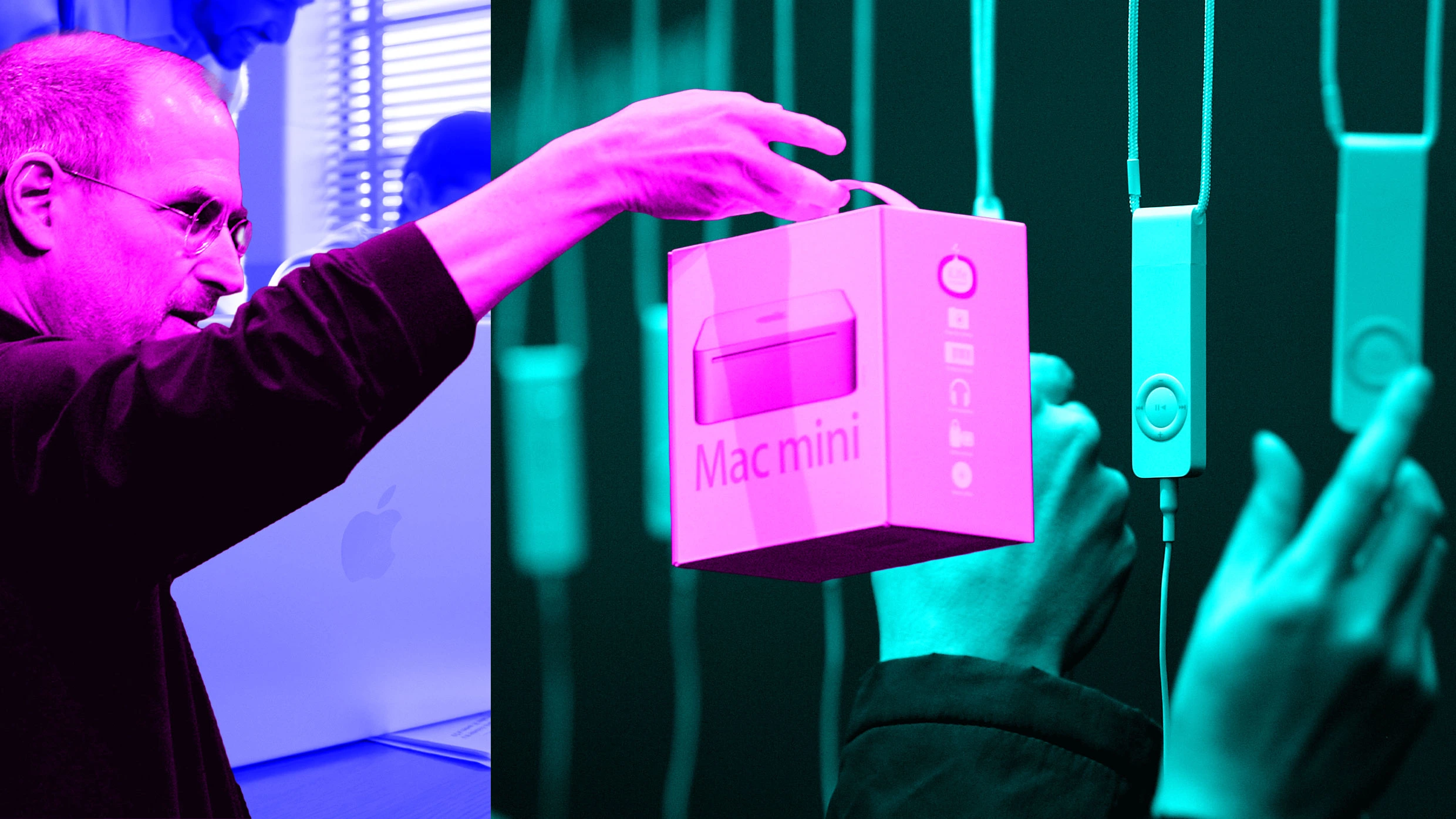
Perhaps the most direct precursor to the MacBook Neo is the Mac Mini, introduced by Steve Jobs in 2005. Apple’s press release at the time touted its $499 starting price as a breakthrough, and it was. At the time, the next cheapest Mac was the eMac, priced at $799. The Mac Mini’s minimalist design extended to its sales model – it shipped without a display, keyboard, or mouse, a concept Jobs famously dubbed “BYODKM” – bring your own display, keyboard, and mouse. This approach allowed Apple to significantly lower the upfront cost, appealing to users who already owned peripherals or were willing to purchase them separately.
The Mac Mini proved to be surprisingly popular, particularly among users who wanted to experience macOS without investing in a full-fledged desktop system. It also appealed to those looking for a compact and affordable server solution. However, its success wasn’t without its challenges. Some critics argued that the BYODKM approach felt incomplete, and the initial specifications were relatively modest. Nevertheless, the Mac Mini laid the groundwork for future affordable Mac offerings.
The iPhone SE: A Different Approach to Affordability
In the smartphone realm, Apple adopted a different strategy with the introduction of the iPhone SE in 2016. Unlike the Mac Mini, the iPhone SE wasn’t a stripped-down version of an existing product; it was a compact iPhone that incorporated the processing power of the iPhone 6s into a smaller, more affordable package. The original iPhone SE started at $399, making it significantly cheaper than the flagship iPhone 6s and 6s Plus. The Verge reported at the time that the iPhone SE was aimed at customers who wanted a powerful iPhone experience without the premium price tag.
The iPhone SE was a success, particularly in emerging markets where affordability is a key consideration. Apple has since released updated versions of the iPhone SE, continuing to offer a more accessible entry point into the iPhone ecosystem. The iPhone SE demonstrates Apple’s willingness to adapt its product strategy to meet the needs of different customer segments.
The MacBook Neo: A New Chapter?
The MacBook Neo represents a renewed commitment to affordability in the Mac lineup. Starting at $599, and $499 for educational institutions, it positions itself as a direct competitor to entry-level Windows laptops and Chromebooks. The Neo’s specifications, while not cutting-edge, are sufficient for everyday tasks such as web browsing, email, and document editing. The key question is whether the Neo can overcome the perception that Apple products are inherently expensive.
The success of the MacBook Neo will likely depend on several factors, including its performance, build quality, and software experience. Apple will also need to effectively market the Neo to its target audience, emphasizing its value proposition and highlighting its advantages over competing products. The education market, in particular, represents a significant opportunity for Apple, as schools increasingly adopt laptops for classroom use. The Chromebook has long dominated this space, and the Neo’s lower price point could offer Apple a competitive edge.
Challenges and Opportunities
While the MacBook Neo presents a compelling opportunity for Apple, it also faces several challenges. Maintaining profitability on a lower-priced product requires careful cost management and efficient manufacturing processes. Apple will also need to avoid cannibalizing sales of its higher-conclude MacBook models. The company will need to ensure that the Neo delivers a consistent and reliable user experience, even with its more modest specifications.
However, the potential rewards are significant. A successful MacBook Neo could expand Apple’s market share, attract new customers to the Mac ecosystem, and strengthen the company’s position in the education market. It could also signal a broader shift in Apple’s product strategy, with a greater emphasis on affordability and accessibility. The Neo’s launch is a calculated risk, but one that could pay off handsomely if Apple can execute its vision effectively.
Key Takeaways
- Apple has a history of introducing more affordable products, though these efforts haven’t always been consistent.
- The Mac Mini and iPhone SE represent successful attempts to broaden Apple’s reach to budget-conscious consumers.
- The MacBook Neo aims to compete directly with Windows laptops and Chromebooks in the entry-level market.
- The success of the Neo will depend on its performance, build quality, and effective marketing.
- This launch could signal a broader shift in Apple’s strategy towards greater affordability.
Looking ahead, Apple’s continued success will depend on its ability to innovate and adapt to changing market conditions. The MacBook Neo is a significant step in that direction, demonstrating a willingness to challenge conventional wisdom and explore new opportunities. As Apple continues to refine its product strategy, it will be crucial to strike a balance between premium experiences and affordability, ensuring that its technology remains accessible to a wider range of customers. The coming months will be critical in determining whether the MacBook Neo can live up to its potential and become a lasting success story for Apple.
Stay tuned to World Today Journal for further updates on the MacBook Neo and Apple’s evolving product lineup. We encourage you to share your thoughts and experiences in the comments below.
Worth a look
- Nintendo Switch 2: Upcoming Games, Direct Date, and Top Recommendations
- Google Launches Gemini Robotics ER 2: Advanced AI Model for Robots
- August 2026 Streaming Guide: Ted Lasso Returns to Apple TV and More (time.news)
- Apple Watch GPS Tracker Leads to Arrest of 27-Year-Old Man in Turin (newsdirectory3.com)