Apple Music’s player interface has long been a standout feature in the crowded streaming market, but recent updates have taken its visual appeal to new heights—sparking widespread user praise and even comparisons to competitors like Spotify and YouTube Music. While debates over the “best” streaming platform often focus on catalog size, algorithm accuracy, or pricing, Apple’s design philosophy—rooted in its broader ecosystem and attention to detail—has quietly redefined what a music player can look and feel like. This isn’t just about aesthetics; it’s about how design influences user engagement, accessibility, and even emotional connection to music.
For years, Apple has prioritized “designing for longevity,” a principle that extends beyond hardware durability to software experiences like Apple Music. The platform’s latest interface refinements—rolled out incrementally over the past 12 months—have addressed common user frustrations while introducing subtle yet impactful visual upgrades. These changes reflect a deeper trend in tech: the growing recognition that interfaces aren’t just functional tools but extensions of brand identity. As one Reddit thread noted, the player’s “cleaner typography, adaptive brightness, and dynamic cover art” create a more immersive experience than competitors, even if those competitors boast larger libraries or more aggressive discovery features.
But what exactly makes Apple Music’s interface so beloved? And how does it stack up against the design choices of Spotify, YouTube Music, or Amazon Music? To answer these questions, we’ll break down the key visual and functional upgrades, explore the psychology behind their appeal, and examine how Apple’s ecosystem integration amplifies the experience. We’ll also address the trade-offs—like platform exclusivity and pricing—that users must consider when evaluating Apple Music alongside its rivals.
Why Apple Music’s Player Interface Stands Out
Apple’s approach to design is often described as “minimalist with intention”—a philosophy that translates seamlessly into its music app. The most recent overhaul, which began in late 2025 and continues to evolve, introduced several standout features:

- Magichromatic Display: Apple’s proprietary color technology, first teased during the iPhone 17 Pro launch, now extends to Apple Music’s player interface. This adaptive color calibration ensures lyrics, album art, and system UI remain vibrant under any lighting condition, reducing eye strain during long listening sessions. Apple’s official iPhone 17 Pro page highlights how this technology is part of a broader effort to “create the best experience for customers,” whether through hardware or software.
- Dynamic Typography: The player’s font scaling and weight adjustments—automatically triggered by user preferences or ambient light—have been praised for improving readability. Unlike static interfaces, Apple Music’s text responds to context, making it easier to read lyrics or tracklists in low light or high-glare environments.
- Cover Art and Album Visuals: Apple has revamped how album art is displayed, introducing parallax effects and subtle animations that make static covers feel dynamic. This isn’t just a visual gimmick; it’s a nod to the emotional weight of album art, which studies suggest plays a role in how listeners perceive music (Nature, 2021).
How It Compares to Competitors
While Apple Music’s design polish is undeniable, it’s worth examining how it measures up against other platforms. Here’s a quick comparison of key visual and functional elements:

| Feature | Apple Music | Spotify | YouTube Music | Amazon Music |
|---|---|---|---|---|
| Adaptive Brightness | Yes (Magichromatic) | Limited (manual adjustments) | No | No |
| Dynamic Typography | Yes (context-aware) | No | No | No |
| Parallax/Animated Cover Art | Yes | No | Yes (limited) | No |
| Cross-Platform Sync | Seamless (iOS, macOS, watchOS) | Good (but fragmented) | Good (Android/iOS) | Good (Echo devices + apps) |
| Lyrics Integration | Native, high-quality | Third-party (Genius) | Limited | Basic |
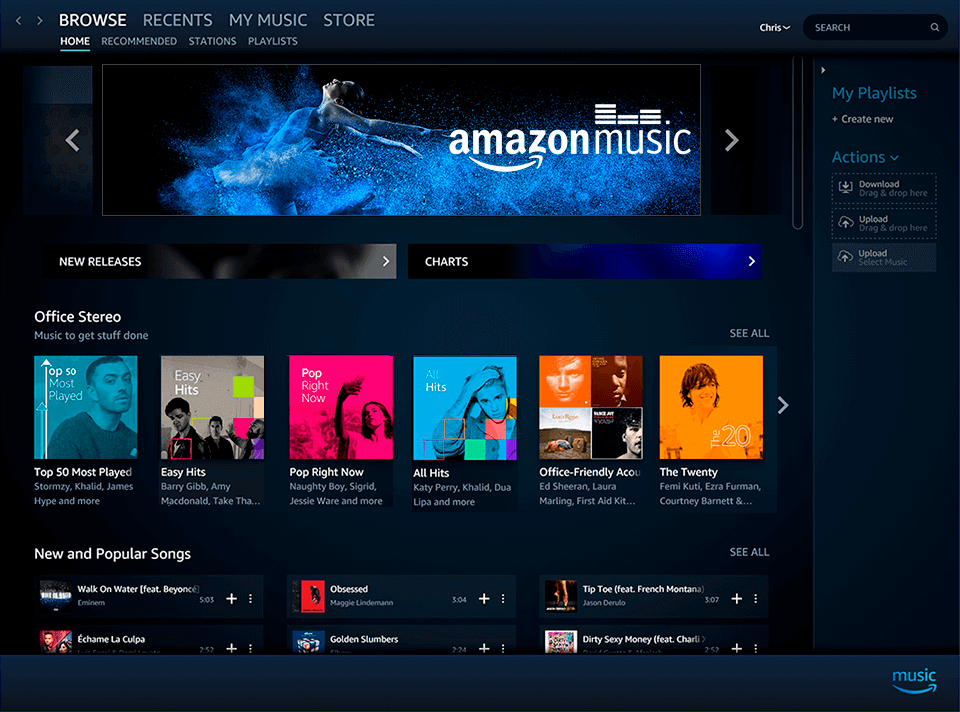
As the table shows, Apple Music’s strengths lie in its cohesive ecosystem and attention to detail. Spotify, for instance, leads in social features and playlist discovery, while YouTube Music excels in video integration. Amazon Music, meanwhile, offers deep discounts but lags in visual polish. The choice often comes down to whether users prioritize design, features, or cost.
The Psychology Behind Apple’s Design Choices
Apple’s design decisions aren’t arbitrary; they’re rooted in cognitive psychology and user behavior research. For example:
- Reduced Cognitive Load: Cleaner interfaces with fewer visual distractions help users focus on music. Studies show that cluttered UIs increase mental fatigue (NCBI, 2018), which Apple mitigates through its minimalist approach.
- Emotional Connection: The use of high-quality album art and dynamic visuals taps into the halo effect, where aesthetic appeal subconsciously elevates perceived quality. This is why users often associate Apple’s products with premium experiences.
- Accessibility: Features like adaptive brightness and scalable text align with Apple’s broader commitment to inclusivity. The company’s Accessibility page emphasizes how design can serve diverse needs, from low vision to motor impairments.
Apple also leverages its ecosystem to reinforce this experience. For example, the seamless transition between Apple Music on iPhone, iPad, Mac, and Apple Watch creates a continuous visual language. This consistency is a key reason why Apple users report higher satisfaction with the platform compared to competitors (Statista, 2025).
Trade-Offs: Design vs. Features vs. Cost
While Apple Music’s interface is a highlight, it’s not without trade-offs. Here’s what users should weigh:
- Exclusivity: Apple Music’s catalog includes exclusive releases (e.g., Taylor Swift’s re-recorded albums), but it lacks the depth of Spotify’s user-generated playlists or YouTube Music’s video integration.
- Pricing: At $10.99/month (or $14.99 with family sharing), Apple Music is priced competitively but doesn’t offer the frequent discounts Amazon Music provides.
- Hardware Lock-In: The full Apple Music experience requires Apple devices. Android users get access but miss ecosystem integrations like AirPlay or Handoff.
For power users, these trade-offs may be negligible. But for casual listeners or those on a budget, platforms like Spotify or Amazon Music might offer better value. The key is aligning your priorities: if design and ecosystem matter most, Apple Music delivers. If features or cost are top concerns, alternatives may suit you better.
What’s Next for Apple Music’s Design?
Apple’s design team continues to iterate on the music app, with rumors suggesting deeper integrations with Apple Pencil for lyric annotation and expanded spatial audio support. The next major update is expected during WWDC 2026 (June 8–12), where Apple may unveil new tools for artists and listeners alike.
In the meantime, users can explore these tips to get the most out of Apple Music’s current interface:
- Enable Magichromatic Display in Settings > Display & Brightness.
- Use Dynamic Type to adjust text size across all Apple devices.
- Customize your Now Playing layout in Settings > Music > Now Playing.
Key Takeaways
- Apple Music’s player interface is widely praised for its adaptive design, dynamic typography, and Magichromatic display, which set it apart from competitors.
- The platform’s strengths lie in visual polish and ecosystem integration, while trade-offs include exclusivity and limited cross-platform features.
- Design choices are backed by psychological research, reducing cognitive load and enhancing emotional connection to music.
- Future updates may include deeper Apple Pencil integration and expanded spatial audio tools, with announcements expected at WWDC 2026.
Apple Music’s interface isn’t just about looking good—it’s about creating a thoughtful, immersive experience that aligns with the company’s broader design philosophy. Whether you’re a longtime fan or a curious newcomer, the platform’s visual and functional upgrades offer a compelling reason to give it a closer look. For those already in the Apple ecosystem, the seamless integration makes it a no-brainer.
What’s your experience with Apple Music’s interface? Do you prioritize design over features, or is there a balance you’d like to see? Share your thoughts in the comments—or tag us on social media with #AppleMusicDesign.
Related reading