
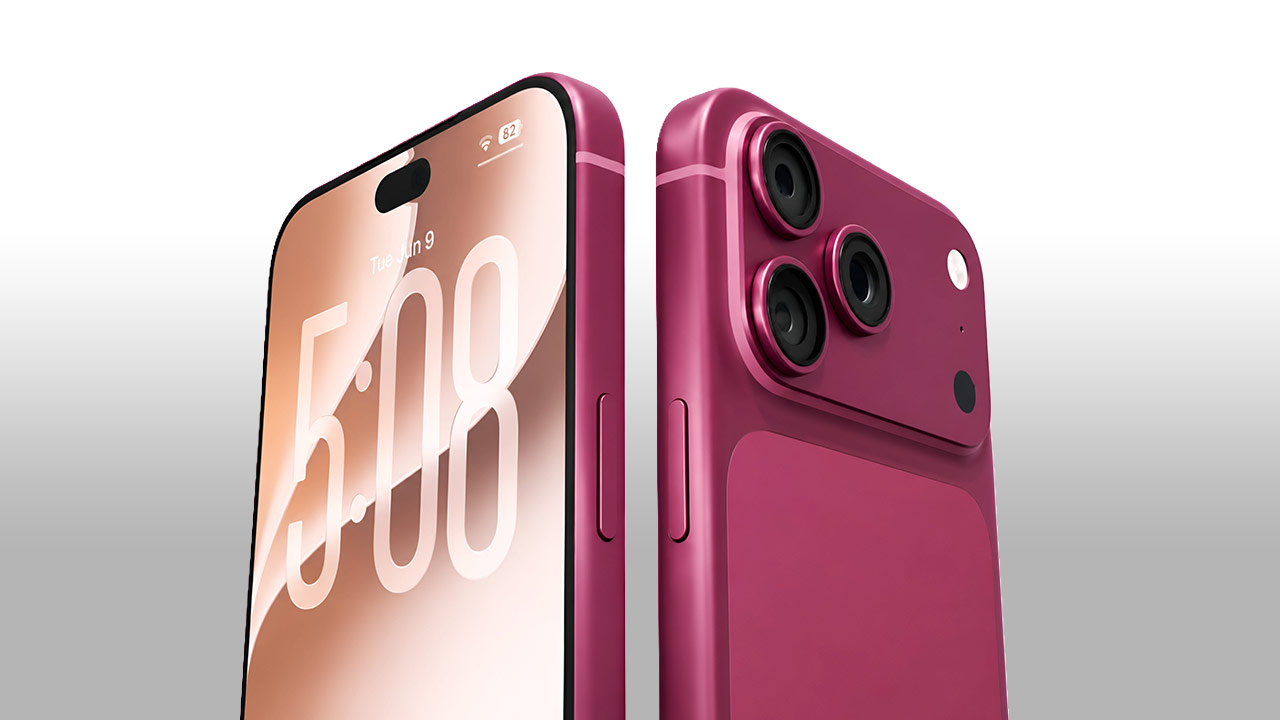
Speculation regarding potential price adjustments for Apple’s future hardware, including the projected iPhone 18, has intensified as global supply chain pressures and rising component costs impact the consumer electronics sector. While Apple has not issued official pricing guidance for its 2026 product lineup, market analysts are examining how inflationary trends and increased investment in artificial intelligence integration may influence the retail cost of high-end mobile devices, according to reports from financial industry observers.
The conversation surrounding smartphone pricing is set against a backdrop of broader economic shifts. As firms across the technology and gaming industries grapple with the rising costs of research and development, particularly concerning the deployment of generative AI, consumers are observing a narrowing price gap between premium handsets and their mid-range counterparts. According to data tracked by Statista, the global average selling price for smartphones has faced upward pressure as manufacturers incorporate more sophisticated semiconductors and advanced camera hardware.
Market Dynamics and Component Costs
The cost of manufacturing flagship smartphones is heavily tied to the volatile memory chip market. Recent industry reports describe the imbalance between supply and demand for high-performance memory components as significant, with some analysts characterizing current procurement challenges as substantial, according to BBC reporting on the global semiconductor landscape. When manufacturers face higher costs for essential components like DRAM and NAND flash, these expenses are frequently passed through to the consumer to protect operating margins.

Apple’s pricing strategy historically relies on maintaining a premium tier, but the company must balance this with its expanding market share. Research from firms such as IDC indicates that Apple’s influence in the smartphone, PC, and tablet markets remains robust, with projections suggesting continued growth through 2026. However, this growth is sensitive to macroeconomic factors, including persistent inflation in the United States and the European Union, which can dampen consumer purchasing power for non-essential upgrades.
Comparative Analysis: Apple vs. Android Pricing
To understand the potential trajectory of iPhone pricing, it is necessary to examine how Android manufacturers in the premium and mid-to-high-end segments have adjusted their retail strategies. Many Android competitors have moved to adopt “pro” branding and premium pricing structures that mirror Apple’s model. The following table illustrates the general trends observed in recent years regarding the pricing of high-end mobile devices:

| Device Category | Recent Pricing Trend | Primary Cost Driver |
|---|---|---|
| Premium Flagship (Apple/Samsung) | Gradual Increase | Advanced AI and Imaging Hardware |
| Mid-to-High Range (Various) | Moderate Increase | Component Inflation |
| Entry-Level | Stable | Cost Optimization |
The shift toward integrating on-device artificial intelligence represents a significant capital expenditure for all major smartphone vendors. As noted by Reuters in their coverage of the tech sector’s AI transition, the requirement for more powerful neural processing units (NPUs) necessitates more expensive silicon. For a consumer, this translates to a higher barrier to entry for the latest models, as companies seek to recoup the multi-billion dollar costs associated with training and deploying these large language models.
The Impact of Global Economic Policy
The broader economic environment, including interest rate policies set by the Federal Reserve, plays a critical role in how corporations set prices. Higher interest rates increase the cost of debt for companies, which can lead to more conservative capital allocation and a greater emphasis on maintaining high profit margins per unit sold. For the average consumer, this means that the “historical” price tags of the past decade may no longer reflect the production realities of the mid-2020s.
Furthermore, currency fluctuations remain a persistent factor in international markets. Because Apple reports its financial results in U.S. dollars, the company often adjusts regional pricing to hedge against a strong dollar. When the dollar appreciates against local currencies, prices in markets like the United Kingdom, Japan, or the Eurozone often increase to ensure revenue parity, a strategy that has been consistently observed in Apple’s quarterly earnings reports available via the Apple Investor Relations portal.
What Lies Ahead for Consumers
While industry analysts continue to monitor the intersection of AI development and consumer hardware pricing, no definitive data confirms a specific price hike for the iPhone 18. Consumers waiting for the next major release cycle should look for official announcements from Apple, typically released during their annual September product events. These events serve as the primary source for authorized pricing and availability information.

Market observers will continue to track the performance of the semiconductor sector and inflation reports from the U.S. Bureau of Labor Statistics to gauge future pricing trends. As the technology sector moves toward the 2026 fiscal year, the balance between innovation costs and consumer affordability will remain a primary focus for investors and analysts alike. Readers are encouraged to monitor future quarterly filings and official corporate statements for the most accurate and up-to-date information regarding product pricing.