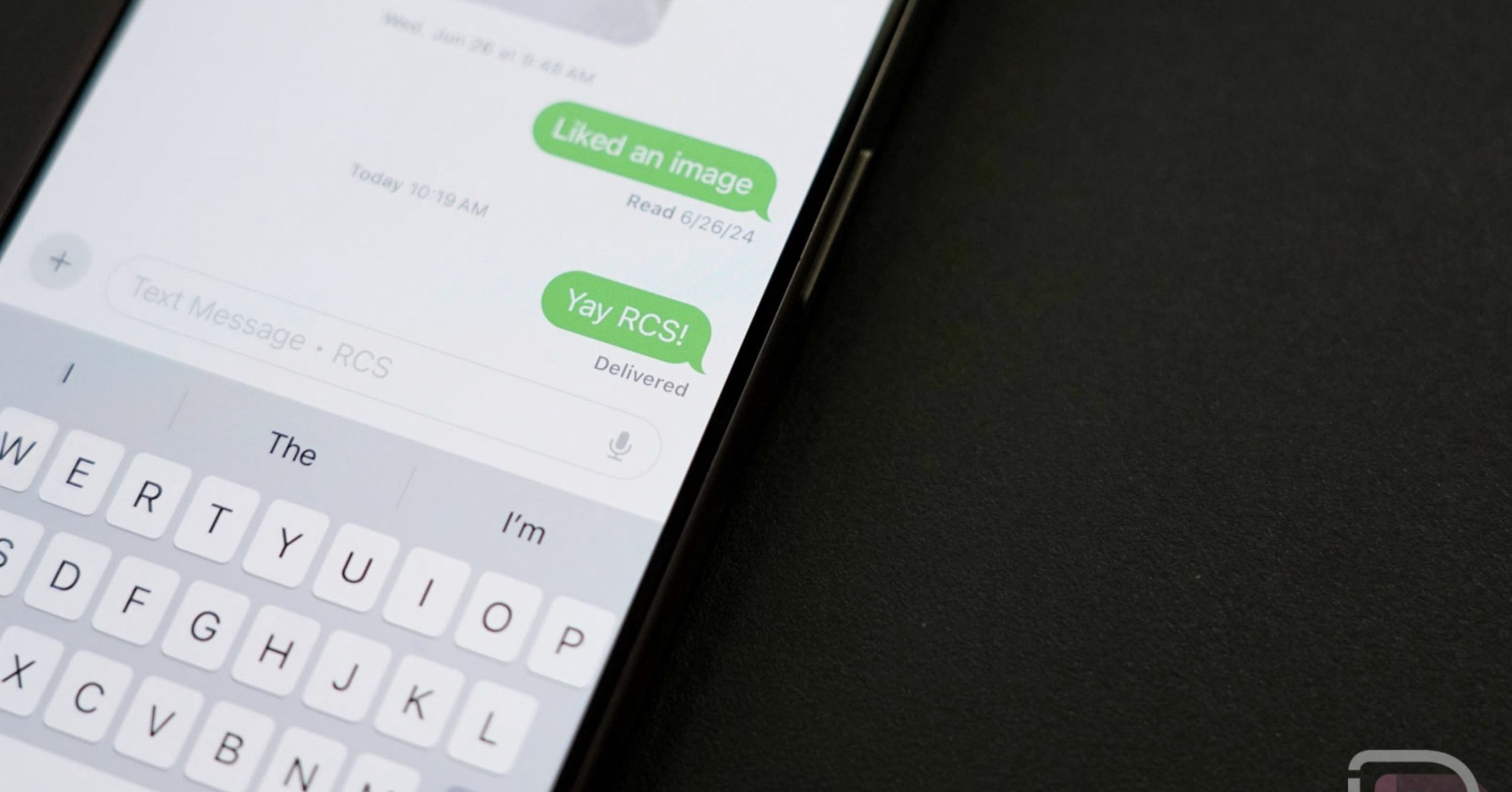
San Francisco – In a significant step towards bolstering messaging security, Apple and Google are now testing end-to-end encrypted Rich Communication Services (RCS) between iPhones and Android devices. This collaboration, long advocated for by privacy experts and users alike, aims to bridge the security gap that has historically existed between the two mobile ecosystems. For years, messages exchanged between iOS and Android users have lacked the same level of encryption as those sent between users on the same platform, leaving them potentially vulnerable to interception. This new testing phase represents a major shift in addressing those concerns.
The move comes after Apple introduced RCS support with iOS 18 in September 2024, initially offering features like typing indicators, read receipts, and higher-quality media sharing. However, the crucial element of end-to-end encryption was added later, with Apple announcing plans to implement it last March. Now, the two tech giants are working together to ensure seamless and secure communication regardless of the user’s operating system. This development addresses long-standing criticisms regarding the “green bubble vs. Blue bubble” dynamic, where messages between iPhones and Android phones were not encrypted by default, unlike iMessage conversations between Apple devices.
What is RCS and Why Does Encryption Matter?
RCS, or Rich Communication Services, is a modern messaging protocol intended to replace SMS and MMS. It offers a more feature-rich experience, including read receipts, typing indicators, high-resolution image and video sharing, and group chat enhancements. However, the initial rollout of RCS lacked consistent end-to-end encryption, leaving messages susceptible to potential interception. End-to-end encryption ensures that only the sender and receiver can read the contents of a message, protecting it from prying eyes, including those of messaging providers and potential hackers. The implementation of end-to-end encryption within the RCS framework, particularly through the use of the Messaging Layer Security (MLS) protocol, is a critical advancement in mobile communication security.
The GSM Association (GSMA) has played a key role in establishing standards for RCS, with the recent publication of RCS Universal Profile 3.0 specifying the requirements for cross-platform encrypted messaging. This new standard incorporates the MLS protocol, providing a framework for secure communication between Android and iOS devices. As reported by Web Pro News, this means that texts exchanged between the two platforms will eventually be protected from interception by both malicious actors and the platforms themselves.
How to Participate in the Beta Test
Currently, the encrypted RCS messaging test is available to users participating in beta programs for both iOS and Android. IPhone users must be running iOS 26.4 beta 2 on a supported carrier. Within the iOS settings, users need to navigate to Settings > Messages > RCS Messaging and ensure that “End-to-End Encryption (Beta)” is enabled. This setting is toggled on by default. Android users need to be enrolled in the Google Messages beta program, which can be joined here. No specific action is required on the Android side beyond running the latest beta version of the Google Messages app.
It’s important to note that, as with all beta tests, users may encounter message delivery issues, service interruptions, and other bugs. Both Apple and Google have emphasized that this is a testing phase and that the full implementation of end-to-end encrypted RCS messaging will be rolled out in a future iOS 26 update, where it will be enabled by default. The initial testing phase began last week with Apple testing encrypted RCS messages on iOS, expanding to include Android devices this week, according to reports from 9to5Google.
What Does This Signify for Users?
The widespread adoption of end-to-end encrypted RCS messaging promises a more secure and private communication experience for both iPhone and Android users. Currently, SMS and MMS messages are inherently unencrypted, making them vulnerable to interception. Even with RCS without encryption, messages are still susceptible to potential security breaches. By implementing end-to-end encryption, Apple and Google are taking a significant step towards protecting user privacy and ensuring the confidentiality of their conversations.
Visually, users participating in the beta test will notice indicators confirming the encryption status of their messages. On iOS 26.4 beta 2, green bubbles (indicating messages sent via RCS to Android users) will be prefaced with “Text Message · RCS | [lock icon] Encrypted” at the center of the screen. Google Messages will display a similar lock icon, mirroring the appearance of encrypted messages sent to other Android users. This visual cue provides users with clear confirmation that their messages are protected by end-to-end encryption.
The Long Road to Interoperability
The journey to secure cross-platform messaging has been a protracted one, marked by years of friction between Apple and Google. Google has long advocated for Apple to adopt RCS, arguing that it would improve the messaging experience for all users and enhance security. Apple’s initial reluctance to embrace RCS stemmed, in part, from the success of its iMessage platform and concerns about potentially diminishing its competitive advantage. However, increasing pressure from regulators, privacy advocates, and users ultimately led Apple to reconsider its position and initiate implementing RCS support.
The implementation of RCS Universal Profile 3.0, incorporating the MLS protocol, represents a significant technical milestone in this process. The MLS protocol is designed to provide robust end-to-end encryption for group chats and other complex messaging scenarios. Its adoption by both Apple and Google signals a commitment to interoperability and a shared understanding of the importance of secure communication.
Potential Challenges and Future Outlook
While the beta test represents a positive step forward, challenges remain. Ensuring seamless interoperability between different messaging platforms and devices can be complex, and potential bugs or compatibility issues may arise during the rollout. The full benefits of end-to-end encrypted RCS messaging will only be realized when a critical mass of users have adopted the protocol. Continued collaboration between Apple and Google, as well as industry-wide standardization efforts, will be essential to overcome these challenges.
The timeline for the full public release of end-to-end encrypted RCS messaging remains uncertain. However, both companies have indicated that it will be enabled by default in a future iOS 26 update. Users can expect further updates and announcements as the testing phase progresses and the implementation is finalized. The move towards encrypted RCS messaging is a welcome development for privacy-conscious users and a significant step towards a more secure and interoperable messaging landscape.
Key Takeaways:
- Apple and Google are testing end-to-end encrypted RCS messaging between iPhones and Android devices.
- The beta test requires users to be enrolled in beta programs for both iOS (iOS 26.4 beta 2) and Android (Google Messages beta).
- End-to-end encryption will protect messages from interception by third parties, enhancing user privacy.
- The full rollout of encrypted RCS messaging is expected in a future iOS 26 update.
The next major milestone will be the official release of iOS 26 with end-to-end encrypted RCS enabled by default. We will continue to monitor the progress of this rollout and provide updates as they become available. Share your thoughts on this development in the comments below, and let us know how you anticipate this change impacting your messaging experience.
Keep reading