
Apple is reportedly exploring new hardware categories as the company approaches the 20th anniversary of the iPhone, including the development of smart glasses, cameras for AirPods, and potential foldable devices. While these projects remain in the research and development phase, they signal a strategic shift toward expanding the company’s wearable technology portfolio beyond its current lineup, according to reports from Bloomberg.
The tech giant, headquartered in Cupertino, California, consistently evaluates various product concepts to maintain its market position, though not all prototypes transition to mass production. The current focus on diversifying hardware follows the launch of the Apple Vision Pro, which marked the company’s entry into the spatial computing market in early 2024. Industry analysts suggest that Apple’s internal research is heavily influenced by the competitive landscape of augmented reality (AR) and the saturation of the smartphone market.
Expanding the Wearable Ecosystem
One of the most notable concepts currently under internal review is the integration of high-resolution cameras into future iterations of AirPods. The objective, as described in internal company discussions, is to leverage artificial intelligence to assist users in their daily routines by capturing visual data. This initiative, internally referred to as “B398,” aims to enhance the utility of the earbuds by enabling them to act as a peripheral device for the company’s AI-driven features, according to industry reporting.
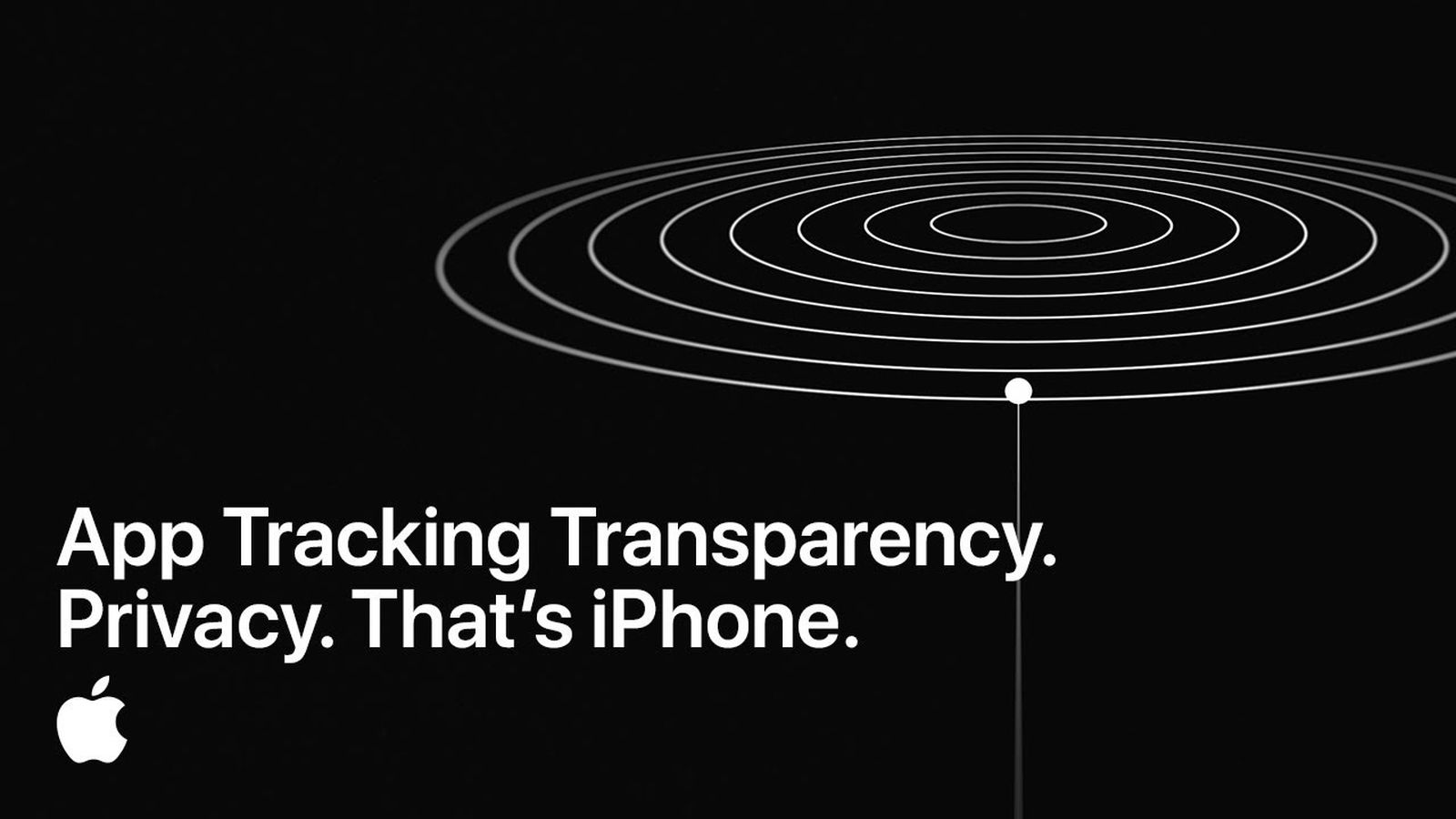
The potential for camera-enabled AirPods raises questions regarding privacy and hardware integration. Apple has historically prioritized user privacy, introducing features like App Tracking Transparency to provide users with more control over their data. Any device capable of recording visual information would likely require stringent privacy safeguards to comply with global data protection regulations, such as the General Data Protection Regulation (GDPR) in the European Union, which mandates strict consent protocols for data collection, as outlined by official European Commission guidance.
The Future of Foldable Technology
Speculation regarding a foldable iPhone has persisted for years as competitors like Samsung and Google have already released multiple generations of foldable smartphones. While Apple has filed numerous patents related to flexible display technology and hinge mechanisms, the company has yet to release a consumer-facing foldable product. Engineering challenges, including screen durability and crease visibility, remain significant hurdles for the development team.
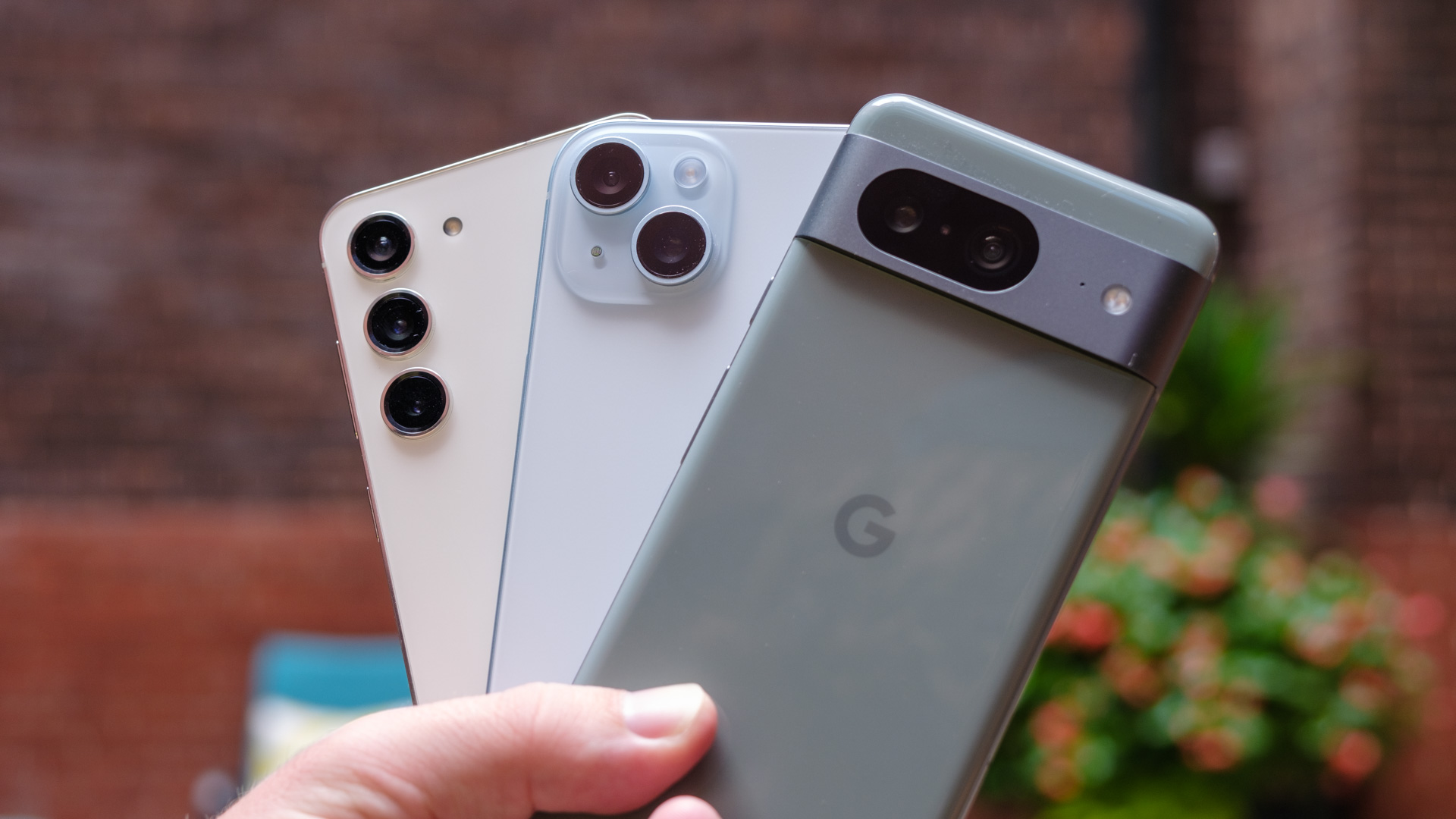
According to market analysis by CNBC, the company is also looking into the development of smart glasses that could compete with Meta’s Ray-Ban smart glasses. Meta’s current product, which allows for audio streaming, photo capture, and AI-assisted object identification, has seen increased consumer interest. Apple’s potential entry into this space would likely focus on seamless integration with its existing ecosystem, including the iPhone and iCloud services.
Strategic R&D and Market Impact
Apple’s research and development spending remains high, with the company consistently investing billions of dollars annually to secure its future product pipeline. In its latest 10-K filing with the U.S. Securities and Exchange Commission (SEC), the company reported R&D expenditures totaling approximately $29.9 billion for the 2024 fiscal year, reflecting a continued commitment to innovation despite fluctuating quarterly revenue.
This massive investment highlights the company’s “wait-and-see” approach to emerging technologies. Rather than being the first to market, Apple often waits until it can refine a technology to meet its standards for user experience and hardware reliability. This strategy has been applied to previous categories, including tablets, smartwatches, and, most recently, spatial computing headsets.
What Happens Next?
As Apple approaches the 20th anniversary of the iPhone, which was first unveiled by Steve Jobs in January 2007, the company is expected to face increased pressure to deliver a “next big thing.” While no official release dates have been confirmed for the aforementioned projects, industry stakeholders expect Apple to provide updates on its AI integration strategy during the annual Worldwide Developers Conference (WWDC) in 2025.

For consumers, these reports confirm that the company is actively testing hardware iterations that could redefine how users interact with their digital environment. Whether these prototypes reach the retail stage depends on successful field testing and the ability to solve complex technical limitations. Readers interested in the latest official product announcements can monitor the Apple Newsroom for verified updates.
What are your thoughts on the potential for camera-equipped wearables? Share your perspective in the comments below.
Worth a look