
The intersection of artificial intelligence and personal health management has taken a significant step forward, though not without raising complex questions regarding data privacy and clinical reliability. As of early 2026, the integration of ChatGPT Health with the Apple Health ecosystem has become a focal point for tech observers and medical professionals alike. This development allows users to bridge their personal medical records, laboratory results, and fitness metrics with AI-driven analysis, marking a shift toward more personalized, AI-informed health guidance.
For many users, the promise of this integration lies in the ability to synthesize disparate data points—ranging from sleep metrics and diet logs to complex clinical reports—into actionable insights. However, the move has prompted an urgent dialogue about the scope of data sharing, the nuances of user consent, and the critical boundaries of AI-generated medical interpretation. As we navigate these changes, it is essential to distinguish between the convenience of automated summaries and the necessity of professional clinical judgment.
Understanding the ChatGPT Health and Apple Health Integration
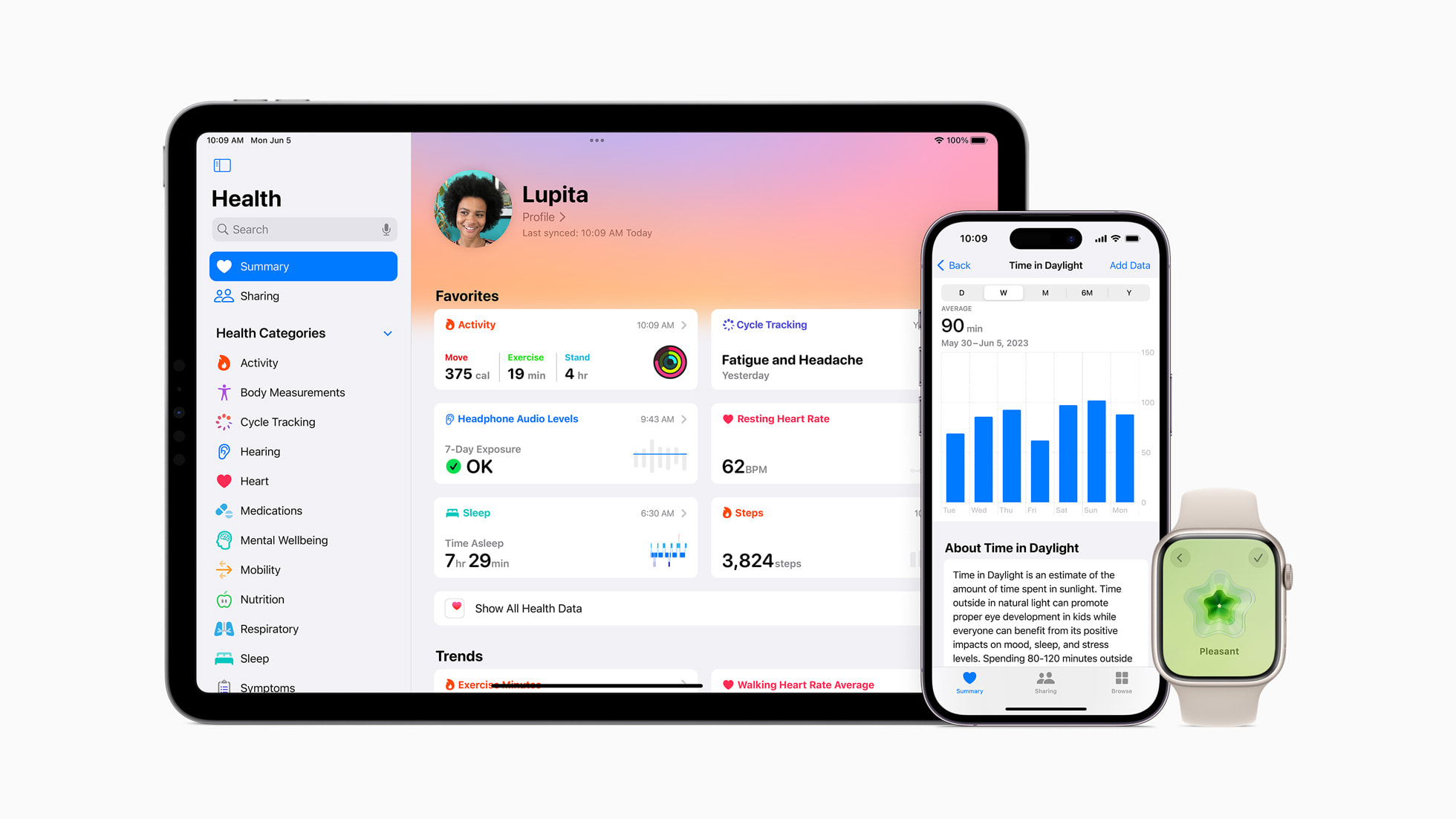
The integration, which gained prominence in January 2026, is designed to provide a more holistic view of a user’s health profile. By connecting ChatGPT Health with Apple Health, the platform enables the analysis of longitudinal lab data and activity trends. The system is intended to support pre-visit workflows, such as helping patients prepare for appointments by generating tailored question prompts or flagging health trends that might warrant a conversation with a physician.
From a technical standpoint, the architecture of this integration relies on explicit, user-initiated connections. Users retain granular control through in-app settings, allowing them to connect or disconnect data sources at will. Documentation indicates that Health-specific custom instructions are confined to the Health space, and consent is managed at both the device and application layers. This design aims to provide a controlled environment for sensitive information, with the platform applying encryption for data at rest and in transit.
Privacy Safeguards and Data Isolation
A primary concern for any integration involving health data is the protection of personal information. According to recent technical assessments, health data processed within this integration is intended to be isolated within a designated Health space. A critical component of this privacy framework is the stated exclusion of this specific health data from the training sets used for broader AI models, effectively confining sensitive records to a separate, private conversational environment.

Despite these measures, experts emphasize that no system is entirely devoid of risk. Residual concerns persist regarding potential device compromise, misconfiguration, or backend security incidents. As the industry evolves, independent security validation and periodic audits remain the standard for quantifying exposure before high-risk applications are widely adopted. Users are encouraged to stay informed through official privacy disclosures and to manage their app permissions proactively through their device settings.
The Clinical Reality: AI as a Tool, Not a Consultant
While the utility of AI in organizing health data is clear, the medical community remains cautious about the role of automated interpretations. It is vital for users to remember that AI-generated summaries are not a substitute for professional clinical judgment. The nature of consumer data—which can often be “noisy” or incomplete—may lead to misleading signals if interpreted without clinical context.
Automated summaries can occasionally lack the provenance or critical medical nuance required for high-stakes decision-making. The integration is best viewed as a support mechanism for patient self-management and a tool for streamlining administrative tasks rather than a diagnostic engine. Patients should view AI-generated insights as a starting point for dialogue with their healthcare providers, ensuring that any medical decisions remain grounded in expert, human-led examination.
Key Takeaways for Users
- User-Controlled Access: Connections between ChatGPT Health and Apple Health are entirely user-initiated and can be revoked at any time via device and app settings.
- Data Isolation: Sensitive health information is intended to be excluded from the training of broader AI models to maintain privacy.
- Clinical Limitations: AI tools are designed for trend analysis and workflow support, not for medical diagnosis or as a replacement for a doctor.
- Security Best Practices: Users are encouraged to utilize multi-factor authentication and maintain updated device software to mitigate residual security risks.
Looking Ahead: The Evolving Landscape of Digital Health
As we move through 2026, the tech industry continues to balance the rapid pace of AI innovation with the stringent requirements of the healthcare sector. The integration of platforms like ChatGPT with established health ecosystems is likely to undergo further refinement as regulators and developers continue to address the challenges of data integrity and patient safety. For now, the focus remains on ensuring that these tools empower users without compromising the security of their most sensitive personal information.

For those interested in the latest updates, it is recommended to monitor official announcements from Apple and OpenAI regarding feature updates and security patches. As the technology matures, the ability to securely and accurately integrate personal health data will undoubtedly remain a defining trend in digital wellness. We invite our readers to share their experiences and questions in the comments below as we continue to track this developing intersection of software engineering and clinical health.
Keep reading