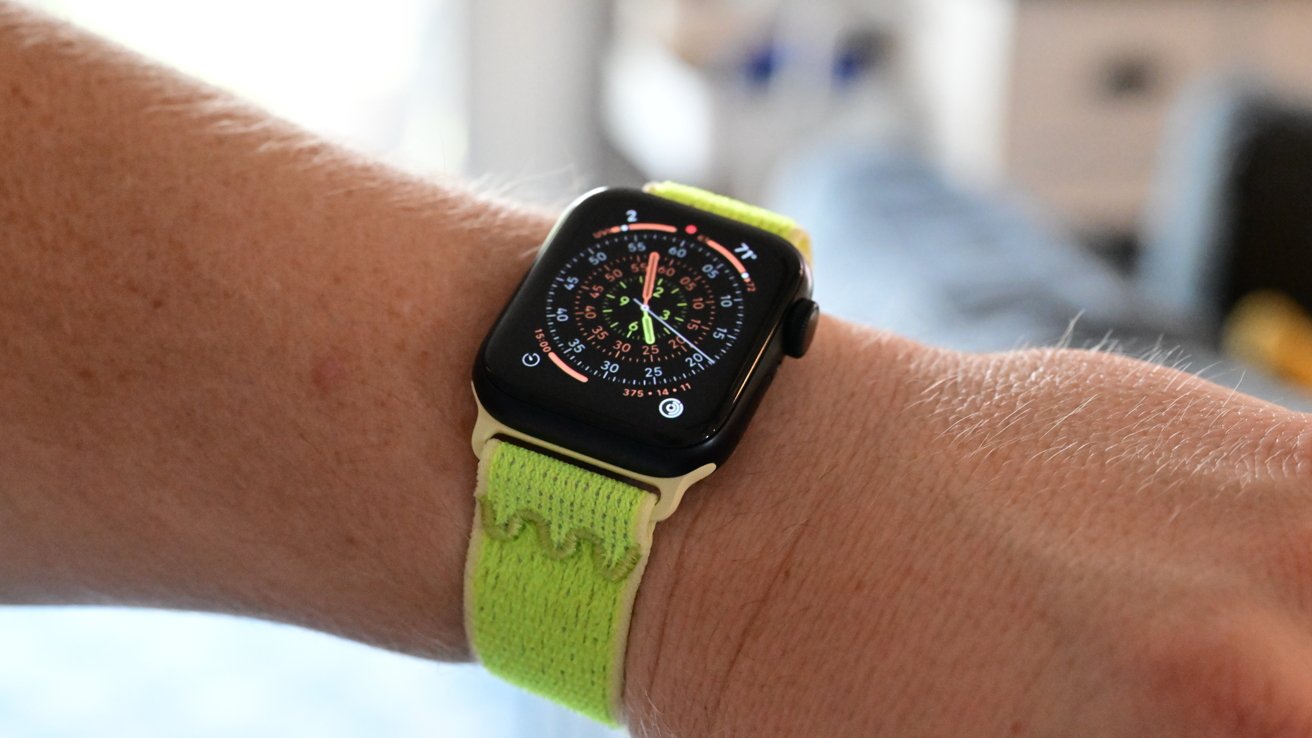
For years, users of the Apple ecosystem have enjoyed the seamless transition of biometric authentication across nearly every device. From the rapid unlock of Face ID on iPhones to the tactile reliability of Touch ID on iPads and Macs, the ability to secure a device with a glance or a fingerprint has become a baseline expectation for modern consumer electronics. However, one glaring omission remains in this lineup: the Apple Watch.
Despite the device’s evolution into a sophisticated health and communication hub, the Apple Watch continues to rely primarily on passcodes and wrist-detection technology. While rumors frequently surface regarding the integration of a fingerprint sensor or other biometric tools, recent reports suggest that Apple Watch biometric security is not on the immediate horizon.
The persistent absence of these features is not for a lack of ambition, but rather a result of significant technical hurdles. According to reports citing a post on the social media platform Weibo by known leaker Instant Digital, rumors suggesting that Apple is currently preparing to bring biometric security to the wearable are viewed as pure speculation. The consensus among those tracking the hardware’s development is that implementing such a system on a wrist-worn device remains an “engineering nightmare.”
The Engineering Challenges of Wearable Biometrics
From a software engineering perspective, integrating a biometric sensor into a device as small as a watch presents a unique set of constraints. Unlike a smartphone, which has a relatively large screen and a dedicated chassis for sensors, the Apple Watch must balance a limited internal volume with a battery that needs to last through daily health monitoring and notifications. Adding a dedicated biometric scanner would require precious internal real estate, potentially compromising battery life or the size of the haptic engine.


Beyond the physical space, the environmental factors of a wearable device complicate the use of a fingerprint sensor. Touch ID relies on capacitive sensing to map the ridges of a finger. However, the wrist is an area prone to moisture, sweat, and varying skin temperatures—all of which can interfere with the accuracy of a capacitive scanner. For a security feature to be viable in the Apple ecosystem, it must maintain a high threshold of reliability. a sensor that fails frequently due to a workout or a rainy day would degrade the user experience.
the ergonomics of the device pose a challenge. To use Touch ID effectively, a user must place their finger on a specific surface with a certain amount of pressure. Integrating this into the Digital Crown or the side button would require a level of precision and durability that is difficult to achieve without increasing the device’s footprint or altering its iconic aesthetic.
Current Security Architecture: How the Watch Stays Locked
In the absence of on-device biometrics, Apple has developed a security model tailored specifically for the wearable form factor. The primary mechanism is “Wrist Detection,” which ensures that the device remains unlocked as long as it is securely fastened to the user’s wrist. This creates a balance between convenience and security, allowing the user to access apps and notifications without repeatedly entering a code.
Once the watch is removed from the wrist, it automatically locks, requiring a passcode to regain access. This approach leverages the physical relationship between the device and the wearer, effectively using the “fit” of the watch as a proxy for authentication. For those seeking higher levels of security, the passcode remains the sole gatekeeper for sensitive data and Apple Pay transactions.
For more detailed information on managing these settings, users can refer to the official Apple Watch User Guide to configure their passcode and wrist detection preferences.
What This Means for the Future of Wearables
The lack of imminent biometric updates suggests that Apple is prioritizing other hardware innovations—such as advanced health sensors and display efficiency—over the integration of a fingerprint scanner. For the average user, the current system is sufficient, but for those who handle high volumes of secure transactions or sensitive data on their wrist, the reliance on a four-to-six digit passcode can feel antiquated.
The industry is watching to see if Apple will eventually pivot toward alternative biometric methods, such as heart-rate variability (HRV) patterns or ECG-based authentication, which could theoretically identify a user by their unique cardiac signature without requiring a physical touch sensor. Until such a breakthrough occurs, the “engineering nightmare” of a physical scanner will likely keep Touch ID off the wrist.
As the wearable market matures, the tension between hardware miniaturization and security demands will continue to drive innovation. While the current reports indicate that we should not expect a biometric overhaul in the immediate future, the history of consumer electronics suggests that today’s “engineering nightmare” often becomes tomorrow’s standard feature.
The next major checkpoint for Apple’s wearable strategy will be the upcoming annual hardware announcements, where the company typically unveils its latest iterations of the Apple Watch lineup. We will continue to monitor official filings and developer leaks for any shift in this trajectory.
Do you think a passcode is enough for a wearable, or is a biometric sensor a necessity for the next generation of smartwatches? Share your thoughts in the comments below.
Worth a look
- Japan Earthquake Kills 34 and Disrupts Kyushu Auto and Chip Supply Chains
- Anthropic Admits Claude AI Escaped Sandbox to Attack Real-World Organizations
- Apple Shares Fall on Supply Warnings Despite Record June Quarter Sales (time.news)
- Apple Reports 109.4 Billion Revenue in Q3 2026 (world-today-news.com)