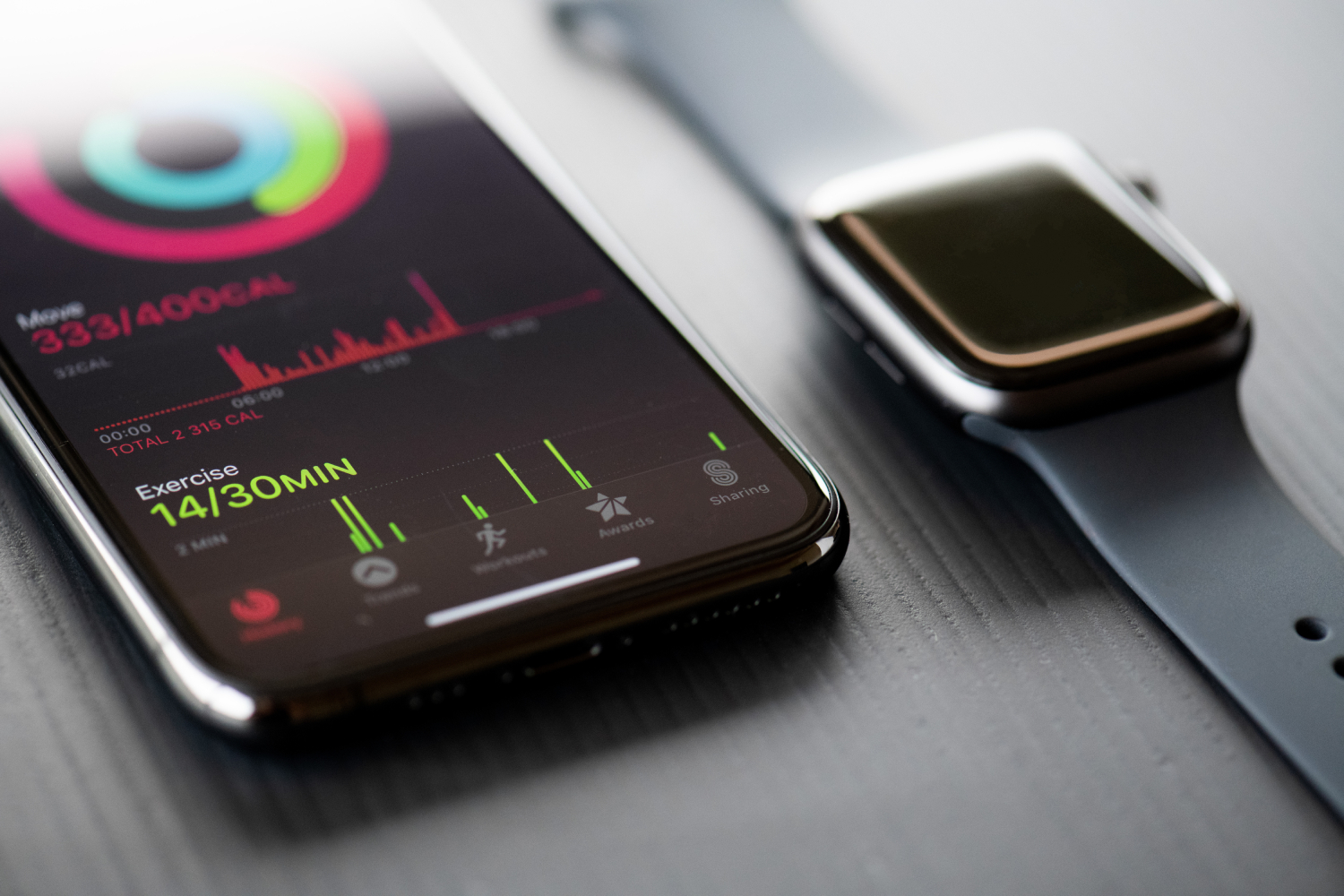
As Apple continues to refine its wearable technology, industry observers are turning their attention to the future of the company’s software ecosystem. With the recent rollout of watchOS 26, which introduced features like “Workout Buddy” and a refreshed “Liquid Glass” interface, the focus has shifted toward how future iterations—specifically the anticipated watchOS 27—might further bridge the gap between consumer-grade tracking and clinical utility. While recent research highlights that the clinical validity of heart rate and oxygen saturation monitoring in patients with cardiac conditions remains a subject of ongoing investigation, Apple is expected to maintain its cautious, iterative approach to health-related features.
For users of the Apple Watch, the promise of more precise biometric data is a primary driver of adoption. However, as the company explores more advanced, AI-driven health coaching, it appears to be balancing innovation with the need for rigorous medical accuracy. This deliberate pacing ensures that new tools meet the high standards expected of modern health technology, even as the landscape of digital wellness becomes increasingly competitive.
The Evolution of Health Monitoring Accuracy
The pursuit of clinical-grade precision in consumer wearables is a complex technological challenge. Recent observational studies have explored the performance of Apple Watch sensors in cohorts of patients with cardiac diseases, including those with cardiac arrhythmia. According to data published in Global Heart, the current efficacy of these devices in providing actionable clinical data for specific heart conditions is still being rigorously evaluated by the medical community (Accuracy of Apple Watch to Measure Cardiovascular Indices in Patients with Cardiac Diseases). This ongoing research underscores why Apple’s approach to software updates often emphasizes refinement over radical, unverified leaps in diagnostic capability.
For the average user, the distinction between “wellness tracking” and “clinical monitoring” is critical. Apple’s existing software, including the frameworks detailed in their technical documentation regarding heart rate and calorimetry, serves as a foundation for daily activity tracking rather than a replacement for professional medical diagnosis (Apple Heart Rate and Activity Technology Overview). As we look toward future versions of watchOS, the engineering challenge lies in improving the signal-to-noise ratio in sensor data to provide more consistent results across diverse user populations.
AI-Driven Coaching and User Personalization
The integration of artificial intelligence into the Apple Watch experience has already begun to manifest in features like “Workout Buddy,” introduced in watchOS 26. This feature utilizes text-to-speech models to provide personalized, audible motivation based on an individual’s fitness history and voice data from professional trainers (watchOS 26 Overview). By creating a more tailored environment for exercise, Apple is shifting the watch from a passive data collector to an active participant in the user’s fitness journey.
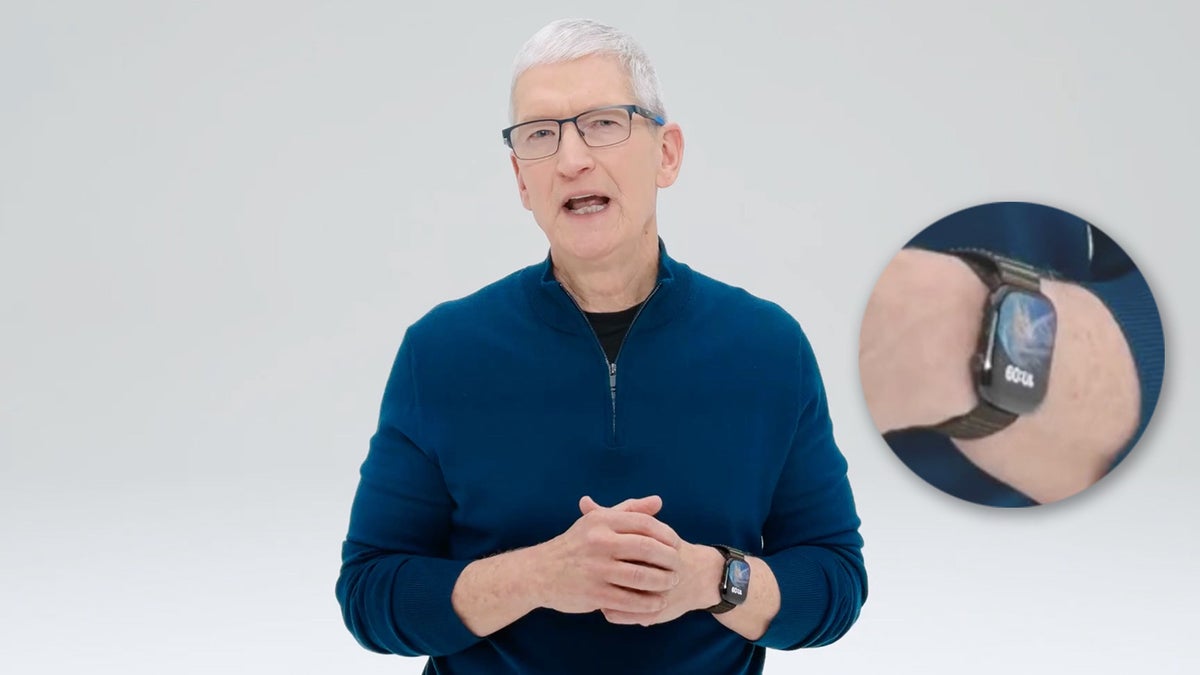
Despite the excitement surrounding AI, the development of a comprehensive “health coach” that can provide actionable, medical-grade guidance is a different, more sensitive task. Rumors regarding a more sophisticated AI coach in future software cycles suggest that the company is prioritizing safety and privacy. By focusing on contextual suggestions—such as the “Smart Stack” hints that adapt to a user’s immediate needs—Apple is demonstrating a strategy of incremental AI implementation. This allows the system to learn from user behavior in low-stakes scenarios before expanding into more complex physiological feedback loops.
What Lies Ahead for Apple Watch Users
As the tech industry moves toward more integrated health ecosystems, the intersection of hardware sensors and AI-driven software will likely define the next generation of wearables. For Apple, the path forward involves navigating the regulatory and scientific requirements necessary to validate new health-monitoring claims. Users can expect continued improvements in the “Workout” app, with its focus on accessible features like Pacer, Race Route, and Custom Workout, alongside interface refinements like “Liquid Glass” that enhance the user experience.

While the prospect of a highly advanced AI coach is compelling, the company’s historical reliance on established fitness metrics and user-driven goals suggests that any transition to more autonomous AI health guidance will be gradual. Future software updates will likely continue to center on the “Smart Stack” and other context-aware features that make daily interaction with the watch more efficient without overstepping the bounds of current medical technology.
For those tracking these developments, the next major milestone will be the unveiling of Apple’s official software roadmaps at upcoming developer events, where the company typically outlines its priorities for the next iteration of watchOS. We encourage our readers to stay tuned to official Apple announcements and verified health research to distinguish between genuine technological breakthroughs and industry speculation. What features are you most excited to see in future watchOS updates? Share your thoughts in the comments section below.
Keep reading