
Apple Watch Series 12 rumors continue to circulate in tech circles, with multiple sources pointing to potential health monitoring advancements and design refinements. The latest speculation centers on blood pressure tracking capabilities, a possible return of Touch ID authentication, and internal upgrades that could distinguish the next generation wearable from its predecessors. As with all pre-release Apple product discussions, these reports remain unverified by the company and should be approached with appropriate skepticism until official announcements are made.
The rumored feature set includes refinements to watchOS, new sensor arrays for health monitoring, and the anticipated S12 system-in-package chip. Price expectations place the device near $399 at launch, consistent with recent Apple Watch pricing strategies. A September 2026 release window has been suggested by several industry analysts, aligning with Apple’s historical pattern of unveiling new Watch models alongside iPhone launches each fall.
Blood pressure monitoring represents one of the most significant potential advancements rumored for the Series 12. Although current Apple Watch models offer ECG and blood oxygen sensing, cuffless blood pressure tracking has remained elusive in consumer wearables due to regulatory and technical challenges. If implemented, this feature would require FDA clearance before becoming available to users, a process that could impact the actual release timeline regardless of hardware readiness.
Technical Specifications and Design Expectations
Rumors indicate the Apple Watch Series 12 may feature a redesigned chassis with potential durability improvements. Some reports suggest Apple is exploring new materials or structural designs to enhance water resistance and impact protection, though specific details remain unconfirmed. The device is expected to retain the familiar rectangular display form factor that has characterized the product line since its inception.
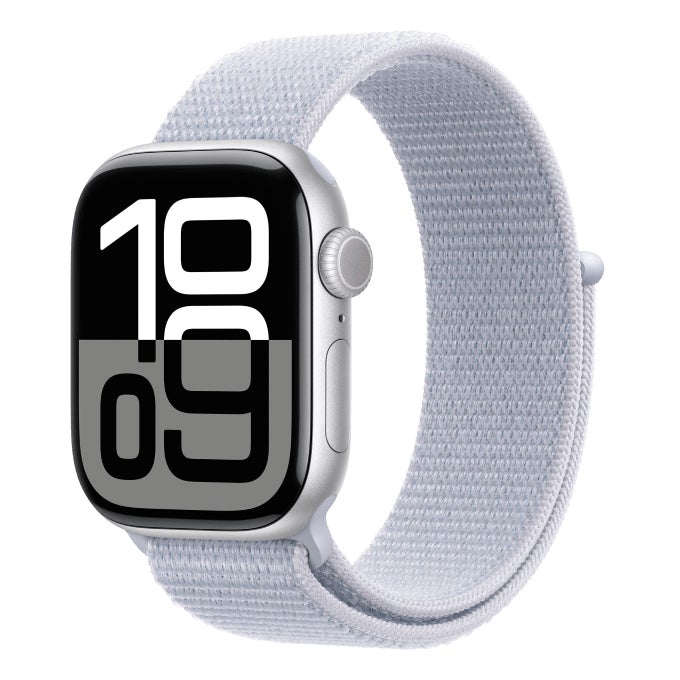
Internally, the S12 chip is anticipated to deliver performance improvements over the S9 found in current models. While Apple typically does not disclose detailed benchmark comparisons between generations, historical trends suggest the new processor would offer faster app launching, smoother animations, and improved efficiency for always-on display features. These gains would likely be paired with optimized battery management to maintain or improve all-day usage claims.
The possible inclusion of Touch ID marks a notable shift from recent Apple Watch authentication methods. Current models rely on passcode entry and iPhone pairing for security, with wrist detection providing continuous authentication while worn. Returning to fingerprint sensing could offer an alternative unlocking method, particularly useful when the watch is not being worn or when wrist detection fails due to tattoos or scar tissue.
Health Monitoring Capabilities and Regulatory Considerations
Beyond blood pressure tracking, the Series 12 is rumored to include enhanced sensor arrays for more comprehensive health monitoring. Current Apple Watch models already offer heart rate monitoring, ECG functionality, blood oxygen sensing, temperature tracking, and sleep analysis. Any new sensors would need to undergo rigorous validation to meet medical-grade accuracy standards before being cleared for health-related features.
The integration of medical monitoring capabilities into consumer wearables presents unique challenges. Unlike diagnostic equipment used in clinical settings, wearable sensors must function accurately across varying skin tones, temperatures, and movement conditions while maintaining long-term reliability. Apple has historically taken a conservative approach to health feature releases, often launching capabilities as wellness tools before pursuing clinical validation and regulatory approval for medical use cases.
Industry observers note that successful implementation of cuffless blood pressure monitoring would require solving persistent technical hurdles related to motion artifact compensation and individual calibration requirements. Several competing companies have attempted similar technologies with mixed results, highlighting the complexity of delivering accurate, regulation-compliant blood pressure readings from a wrist-worn device.
Market Position and Competitive Landscape
If launched at the rumored $399 price point, the Apple Watch Series 12 would maintain the same starting price as the Series 9 and Series 10 models. This pricing strategy positions the device competitively against premium offerings from Samsung, Garmin, and other smartwatch manufacturers while remaining accessible to a broad consumer base. Apple’s ecosystem integration continues to be a key differentiator, particularly for iPhone users who benefit from seamless data synchronization and feature continuity.
The wearable health technology market has grown significantly in recent years, with increasing consumer interest in devices that offer actionable health insights beyond basic activity tracking. Regulatory bodies worldwide have begun establishing frameworks for evaluating wearable health claims, creating both opportunities and challenges for manufacturers seeking to make medical-grade assertions about their products’ capabilities.
Analysts suggest that meaningful advancements in non-invasive health monitoring could strengthen Apple’s position in the healthcare technology space. The company has already established partnerships with healthcare providers and researchers using Apple Watch data in clinical studies, though widespread adoption of wearable-generated data in medical decision-making remains limited by validation and standardization concerns.
Expected Software Enhancements
watchOS refinements are anticipated to accompany the Series 12 hardware launch, continuing Apple’s pattern of simultaneous hardware and software updates. While specific features remain unconfirmed, potential areas of focus include improved interface customization, enhanced third-party app capabilities, and expanded health data visualization tools. The operating system updates would likely be made available to compatible older Apple Watch models as well, though some features may require the new hardware’s capabilities.
Battery life improvements represent another commonly cited expectation for each new Apple Watch generation. While Apple typically maintains “all-day battery life” claims across generations, real-world usage tests often reveal incremental gains in standby time and active use duration. Any improvements would likely stem from a combination of more efficient processors, optimized software, and potential advancements in display technology.
Availability and Purchase Considerations
Based on historical release patterns, the Apple Watch Series 12 would likely become available for pre-order shortly after an announcement event, with retail availability following within a week or two. Apple typically offers multiple case materials, sizes, and band options at launch, with additional variations introduced throughout the product lifecycle. The company’s trade-in program and carrier partnership options would presumably remain available for eligible customers.
Consumers interested in purchasing the device are advised to consult Apple’s official website and authorized retailers for confirmed pricing, availability, and feature specifications once announced. Third-party rumors and speculation, while informative for understanding industry expectations, should not be relied upon for purchase decisions until verified by official sources.
As of this writing, Apple has not confirmed any details regarding the Apple Watch Series 12, including its existence, specifications, release date, or pricing. All information presented in this article derives from unverified industry reports and analyst predictions. Readers should treat these details as speculative until substantiated by official communications from Apple Inc.
For the latest confirmed information about Apple Watch products, users are encouraged to monitor Apple’s official newsroom page or consult directly with Apple Store representatives. The company typically announces new Watch models during its seasonal fall events, which have historically occurred in September.
What features would you most like to see in the next generation Apple Watch? Share your thoughts in the comments below, and consider sharing this article with others interested in wearable technology developments.
- From Technical Credibility to Executive Influence: How CIOs Build Trust and Drive Strategy
- Apple Reportedly Exploring Screenless Fitness Wearable to Rival Whoop and Fitbit
- New Low-Cost Blood Test Detects Multiple Cancers and Organ Diseases Early (news-usa.today)
- UCLA’s MethylScan Blood Test Detects Multiple Cancers and Organ Diseases (time.news)