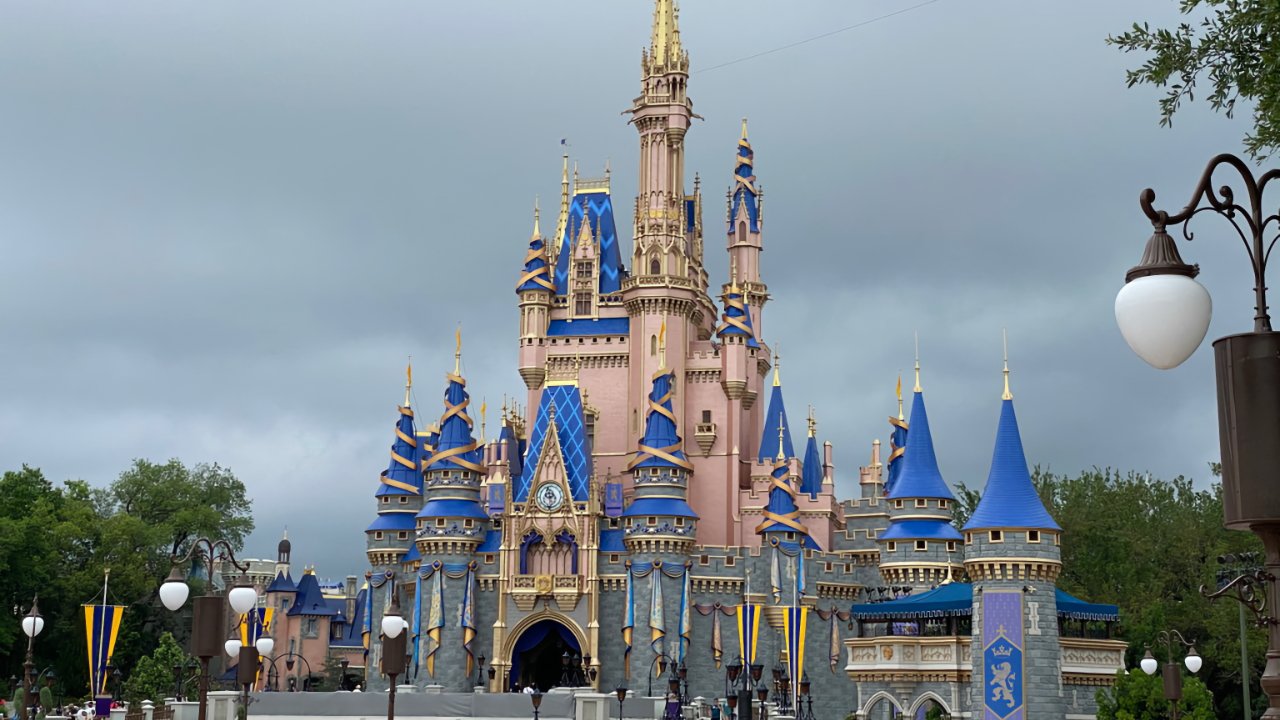
On April 21, 2026, Tim Cook announced his decision to step down as Apple’s CEO, effective September 1, 2026, after nearly 15 years in the role. He will transition to executive chairman of Apple’s board of directors, with John Ternus, the company’s senior vice president of Hardware Engineering, set to succeed him as CEO. This leadership change comes amid recurring speculation about a potential acquisition of The Walt Disney Company by Apple, a rumor that has persisted for years despite consistent denials and lack of substantive progress.
The idea of Apple purchasing Disney is not new; it has resurfaced periodically since the early 2000s, often driven by analyst commentary rather than corporate action. Most recently, one analyst reiterated the claim just one day after Cook’s announcement, suggesting that a sale “can and must happen.” Yet, no credible evidence supports an imminent transaction, and both companies have maintained operational independence through successive leadership cycles. Disney has had multiple CEOs since Bob Iger’s return in 2022, while Apple has evolved under Cook’s stewardship into a services- and hardware-integrated ecosystem with a market capitalization exceeding $4 trillion.
Financially, such a deal would face significant structural and regulatory challenges. Disney’s enterprise value, as of early 2026, remains substantially high due to its global media networks, studio entertainment, and parks and experiences divisions. Acquiring it would require Apple to deploy a large portion of its cash reserves or capture on unprecedented debt, potentially altering its conservative financial posture. Antitrust authorities in the United States, European Union, and other jurisdictions would likely scrutinize a combination that concentrates significant control over content creation, distribution, and consumer technology under a single entity.
Operationally, the two companies follow divergent strategic models. Apple emphasizes integrated hardware, software, and services with a focus on user privacy and seamless ecosystem experiences. Disney, while expanding its streaming capabilities through Disney+, continues to rely heavily on theatrical releases, linear television, and theme park revenues—businesses with different capital requirements, labor structures, and regulatory exposures. Attempts to merge these models could create internal friction, particularly around content licensing, advertising strategies, and global market approaches.
Historically, Apple has pursued selective acquisitions that align closely with its core competencies—such as PrimeSense for augmented reality, Shazam for music recognition, and various AI startups to enhance Siri and on-device intelligence. These deals tend to be value-focused and technologically synergistic. A Disney acquisition, by contrast, would represent a radical departure from this pattern, entering a sector where Apple has limited operational experience and where cultural integration risks are substantial.
Despite the persistence of the rumor, neither company has indicated interest in pursuing such a transaction. Apple’s public filings and earnings calls have not referenced Disney as a strategic target, and Disney’s leadership has consistently emphasized its autonomy, including recent efforts to regain full control of Hulu and expand its direct-to-consumer offerings. Analysts who continue to advocate for the deal often cite synergies in content bundling or device subsidies, but these remain speculative without confirmation from either party’s leadership.
As Apple prepares for the transition to John Ternus as CEO, attention remains focused on internal innovation—particularly in artificial intelligence, augmented reality, and services growth—rather than transformative M&A. Ternus, who joined Apple in 2001 and led hardware engineering through the development of products like the iPhone, iPad, and Mac line, is expected to maintain continuity in product excellence while navigating increasing global scrutiny over AI ethics, supply chain dependencies, and digital market regulations.
For now, the notion of Apple buying Disney remains a recurring theme in financial commentary rather than a near-term possibility. Until either company signals a shift in strategy through official channels, the rumor will likely continue to emerge in cycles, reflecting market fascination with mega-deals more than imminent corporate action.
Stay informed about leadership transitions at major technology companies by following official announcements from Apple’s investor relations page and verified financial disclosures. Share your thoughts on what priorities should guide Apple’s next chapter under its new CEO.
Worth a look