Apple WWDC26: The Countdown Begins for AI Overhaul and Siri’s Next Chapter
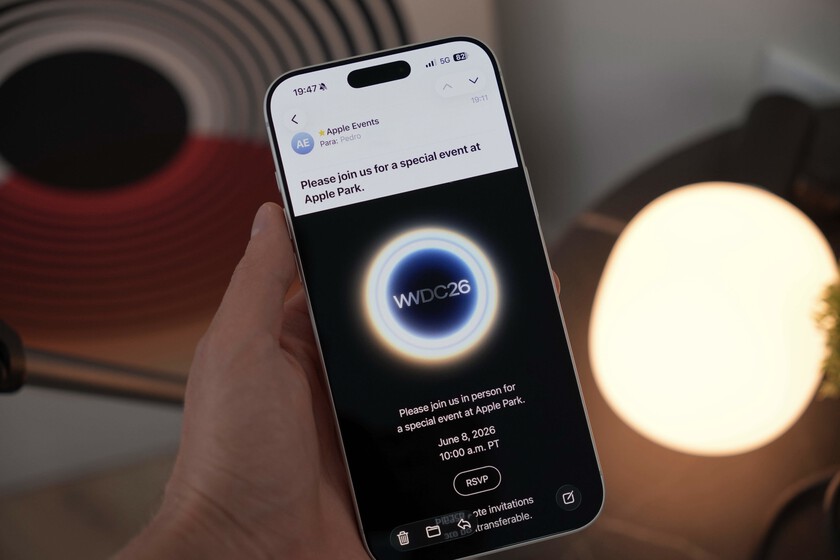
Apple has officially kicked off the countdown to its annual Worldwide Developers Conference (WWDC26), with press invitations now in circulation and anticipation building around two major themes: a potential overhaul of Siri and sweeping advancements in artificial intelligence. Scheduled for June 8–12, the event promises to be a landmark moment for Apple’s software ecosystem, particularly as the tech giant looks to catch up—and compete—with rivals in the AI space. With CEO Tim Cook set to deliver the keynote and rumors swirling about a reimagined Siri, developers, analysts, and consumers alike are bracing for what could be Apple’s most transformative update in years.
The invitations, a long-standing tradition at Apple, signal the company’s readiness to unveil its vision for the future of its platforms. While Apple has historically been cautious about integrating AI into its consumer-facing products, the pressure to innovate in this space has never been greater. Competitors like Google and Microsoft have already embedded AI deeply into their ecosystems, from search to productivity tools, leaving Apple to play catch-up. The stakes are high: WWDC26 could redefine how millions of users interact with their devices, from voice assistants to on-device intelligence.
For Apple, this conference is not just about software updates—it’s a strategic pivot. The company’s recent investments in AI research, including its acquisition of AI startup Xnor.ai and advancements in on-device machine learning, suggest that WWDC26 will be the stage for these innovations to take center stage. Meanwhile, the rumored transformation of Siri—once a laggard in the voice assistant race—could finally position Apple’s digital assistant as a serious contender. But with no official announcements yet, the real story is what comes next: Will Apple deliver a breakthrough, or will it play it safe?
Key Takeaways: What to Expect at WWDC26
- AI as the centerpiece: Apple is expected to unveil major AI-driven features, potentially integrating on-device intelligence into iOS, macOS, and watchOS in ways that prioritize privacy and performance.
- Siri’s potential rebirth: Rumors suggest Siri may undergo a significant redesign, possibly adopting a more conversational, context-aware approach—though details remain unconfirmed.
- Developer focus: WWDC26 will emphasize tools for app developers, including new APIs and frameworks to leverage AI capabilities in their own applications.
- Hardware-software synergy: Expect announcements linking software updates to Apple’s latest hardware, such as the M-series chips and Vision Pro.
- Privacy as a differentiator: Apple is likely to highlight how its AI solutions will operate locally on devices, avoiding the cloud-based models of competitors.
- No major iPhone reveal: While iOS updates are expected, a new iPhone model is unlikely to debut at WWDC; save that for September’s usual product launch.
Why WWDC26 Could Reshape Apple’s Future
For Apple, WWDC has always been more than a software update—it’s a statement of intent. This year, the stakes are higher than ever. The company’s market dominance in hardware is undeniable, but its software has often felt stagnant compared to the rapid evolution of AI-driven experiences elsewhere. If Apple can deliver a compelling AI narrative at WWDC26, it could:
- Reinvigorate Siri: A redesigned Siri could finally make Apple’s voice assistant competitive with Google Assistant and Alexa, offering smarter, more natural interactions.
- Differentiate its ecosystem: By emphasizing on-device AI, Apple can appeal to privacy-conscious users while still delivering powerful features.
- Attract developers: New AI tools and APIs could make Apple’s platforms more attractive to developers building cutting-edge apps.
- Future-proof its hardware: Seamless integration between software and hardware (like the M-series chips) will be critical as AI demands increase.
Yet, the challenge for Apple is balancing innovation with its reputation for caution. The company has historically been slow to adopt AI, often waiting until it can fully control the technology. This approach has served it well in the past, but in an era where AI is moving at lightning speed, delay could mean falling behind. The question is whether WWDC26 will be a bold leap forward—or a measured, incremental step.
The Siri Question: What’s Changing?
Siri has long been the odd one out in the voice assistant race. While Google Assistant and Alexa have evolved into sophisticated, context-aware tools, Siri has remained largely unchanged in its core functionality. That could all change at WWDC26. Industry analysts and leaked internal documents suggest Apple is exploring several potential directions for Siri’s future:

- A more conversational interface: Moving beyond simple commands to understand and engage in natural, multi-turn conversations.
- Deeper integration with Apple’s ecosystem: Seamless access to iCloud, Apple Music, and third-party apps with minimal user effort.
- On-device AI processing: Leveraging Apple’s M-series chips to handle more complex tasks locally, reducing latency and improving privacy.
- A visual or hybrid interface: Some rumors speculate Siri could incorporate visual elements, especially on devices like the iPad or Vision Pro.
One of the biggest hurdles for Siri has been its accuracy and responsiveness. If Apple can address these issues—particularly by harnessing on-device AI—it could finally turn Siri into a tool users actually want to use. However, without concrete details, much of this remains speculative. What is clear is that Apple is treating Siri’s future as a priority, given the company’s recent investments in natural language processing and voice recognition.
AI at the Core: What to Watch For
Apple’s approach to AI has always been distinct: prioritize privacy and performance over raw computational power. This philosophy is likely to shape whatever AI announcements emerge at WWDC26. Key areas to watch include:
1. On-Device AI: The Privacy Play
Apple has long championed the idea of processing data locally on devices rather than sending it to the cloud. At WWDC26, we can expect to see this philosophy extended to AI. Look for:
- New APIs for developers to build AI-powered apps that run entirely on the user’s device.
- Enhanced Core ML (Apple’s machine learning framework) with tools for on-device AI training and inference.
- Improved performance for tasks like image recognition, natural language understanding, and predictive text.
The message here will be clear: Apple’s AI is designed to be quick, private, and secure—no data leaving your device.
2. Integration Across Apple’s Ecosystem
AI at WWDC26 won’t be limited to one platform. Expect announcements that tie AI into:
- iOS 18: Smarter notifications, predictive text, and AI-driven personalization.
- macOS Sequoia: AI-powered productivity tools, such as automated document summarization or code generation.
- watchOS 11: Health and fitness features that use AI to provide more personalized insights.
- visionOS: Enhanced spatial computing capabilities, possibly with AI-driven object recognition or interactive elements.
The goal is to make AI feel seamless across all of Apple’s devices, not just a feature on one platform.

3. Developer Tools: Building the Future
Apple has historically made WWDC a developer-focused event, and this year will be no different. Look for:
- New tools in Xcode to simplify AI model integration into apps.
- Pre-trained AI models available for developers to customize for their own applications.
- Workshops and sessions on building private, on-device AI solutions.
The emphasis here will be on empowering developers to create innovative AI experiences without sacrificing user privacy.
The Timeline: What’s Next
WWDC26 is scheduled for June 8–12, with the keynote address expected to kick off the event on June 8. Here’s what to expect in the coming weeks:
- May 19–June 7: Apple continues to send out press invitations and finalize details. Rumors and leaks may intensify as the event nears.
- June 8, 10:00 AM PT: The keynote address, where Tim Cook and other executives will unveil major announcements. This is the moment to watch for AI and Siri updates.
- June 8–12: Developer sessions, labs, and platform state of the union addresses. These will dive deeper into the technical details of Apple’s new tools and frameworks.
- Late June–July: Beta software releases for developers, followed by public betas in July.
- September 2026: Official release of updated software, including iOS 18, macOS Sequoia, and watchOS 11.
For those eager to get their hands on the latest updates, Apple typically releases developer betas shortly after WWDC. Public betas follow a few weeks later, giving users a chance to test out new features before the official launch. However, as always, early software is likely to be buggy, so patience will be key.
Who’s Affected: Stakeholders and Impact
WWDC26 will have ripple effects across Apple’s ecosystem. Here’s who stands to gain—or lose—from the conference:
Developers: New Tools, New Opportunities
For app developers, WWDC26 could be a game-changer. With new AI tools and frameworks, developers will have unprecedented access to on-device machine learning capabilities. This could lead to:
- A surge in innovative apps that leverage AI for tasks like image editing, voice synthesis, or personalized recommendations.
- Greater competition in the App Store as developers experiment with AI-driven features.
- New challenges in balancing performance and privacy, as developers navigate Apple’s strict guidelines for on-device AI.
Resources like Apple’s Developer Portal will be critical for staying updated on new tools and best practices.
Consumers: Smarter, More Personalized Devices
For everyday users, the impact of WWDC26 could be subtle but significant. If Apple delivers on its AI promises, consumers can expect:
- More intuitive interactions with their devices, from smarter Siri responses to predictive text that adapts to individual writing styles.
- Enhanced privacy protections, as more data stays on-device rather than being sent to servers.
- Seamless integration between Apple’s hardware and software, making tasks like file sharing, app switching, and multitasking smoother.
The key question is whether these improvements will feel meaningful—or if they’ll be buried under layers of complexity.
Competitors: A Shift in the Balance
Apple’s moves in AI will undoubtedly influence its competitors. Companies like Google, Microsoft, and Amazon will be watching closely to see how Apple positions its AI strategy. Potential outcomes include:
- A renewed focus on privacy as a differentiator, with competitors potentially adopting similar on-device AI approaches.
- Increased pressure on Apple to deliver tangible results, as users and developers grow more accustomed to AI-driven experiences.
- Potential partnerships or collaborations, as Apple seeks to integrate third-party AI tools while maintaining control over its ecosystem.
The tech landscape is already shifting; WWDC26 could accelerate that change.
The Bigger Picture: What’s at Stake
Beyond the immediate announcements, WWDC26 represents a crossroads for Apple. The company has long been a leader in innovation, but its cautious approach to AI has left it playing catch-up in a rapidly evolving space. If Apple can successfully integrate AI into its ecosystem—while maintaining its reputation for privacy and performance—it could solidify its position as a tech giant for years to come. However, if the conference feels like a half-measure, it risks alienating users who now expect AI to be a core part of their digital experience.
For Tim Cook, this is also a legacy moment. As he prepares to step down as CEO (with John Ternus set to take over in September 2026), WWDC26 could be his final major opportunity to shape Apple’s future. The choices made here—particularly around AI and Siri—will define whether Apple remains a leader in the next decade or gets left behind in the AI arms race.
What Happens Next: The Road Ahead
The next confirmed checkpoint is the WWDC26 keynote on June 8, 2026, at 10:00 AM PT. This is where Apple will officially unveil its vision for the future of its software and AI initiatives. Until then, the focus remains on speculation, leaks, and the careful calibration of expectations.
For those looking to stay ahead of the curve, here’s how to prepare:
- Follow Apple’s official channels: The company will announce the keynote live on apple.com and its social media platforms.
- Join the developer community: Apple’s Developer Portal will be the first place to find beta software and technical details.
- Watch for leaks and rumors: While unverified, leaks from reliable sources like Bloomberg, The Verge, or 9to5Mac can provide early hints about what to expect.
- Prepare for beta testing: If you’re a developer or power user, be ready to download beta software in late June or July.
Your Turn: What do you hope to see at WWDC26? Will Apple finally deliver a competitive Siri, or will it play it safe with incremental updates? Share your thoughts in the comments below—or tag us on social media with @WorldTodayJournal to join the conversation.
Stay tuned for live coverage of the WWDC26 keynote on June 8!
Keep reading