By Linda Park – Technology Editor, World Today Journal
Apple’s iOS 27 to Introduce Customizable Camera App: A Developer’s Playground and User Revolution
San Francisco, May 12, 2026 — Apple is poised to redefine mobile photography with the introduction of a fully customizable Camera app in iOS 27, a feature that could fundamentally alter how users capture, edit, and share images on iPhone. While Apple has not yet officially confirmed this development, multiple credible sources close to the company’s Worldwide Developers Conference (WWDC 2026), scheduled for June 8–12, suggest this feature will be a cornerstone of the upcoming update. The move aligns with Apple’s broader strategy to deepen integration between hardware, software, and user creativity—particularly as competitors like Google and Samsung continue to push boundaries in AI-driven camera innovation.
This isn’t just about tweaking filters or rearranging the interface. The rumored customizable Camera app represents a paradigm shift: users will be able to design their own camera workflows, from preset configurations for specific shooting scenarios (e.g., portrait mode, low-light photography) to entirely custom layouts with adjustable buttons, shortcuts, and even third-party integrations. For developers, this opens a new frontier for app extensions and camera-related tools—potentially rivaling the impact of Apple’s early Camera Kit framework. But with great flexibility comes responsibility: Apple is expected to introduce safeguards to prevent performance degradation or security risks from overly complex customizations.
In parallel, iOS 27 is also rumored to introduce a dedicated Siri app with chatbot-like functionality, further embedding artificial intelligence into the core user experience. While the Camera app customization remains unverified by Apple, the broader context of WWDC 2026 suggests a focus on personalization, AI integration, and developer empowerment—themes that will likely dominate the keynote.
What the Customizable Camera App Could Look Like
While Apple has not shared screenshots or technical specifications, leaks suggest the customizable Camera app will offer:
- Modular UI layouts: Users could drag and drop controls (e.g., exposure, flash, timer) into custom positions, similar to how some professional camera apps allow interface tweaks.
- Scenario-based presets: Pre-configured modes for common use cases (e.g., “Travel,” “Event,” “Night Photography”) with one-tap activation.
- Third-party extensions: Developers might integrate their apps (e.g., editing tools, cloud backup services) directly into the Camera interface, creating a seamless workflow.
- AI-assisted customization: Suggestions for optimal button placements based on user habits, powered by on-device machine learning.
- Pro-level controls: Advanced users could unlock manual settings (ISO, shutter speed) without leaving the app, blurring the line between consumer and professional photography.
For context, Apple’s existing Camera app has long been praised for its intuitive design and powerful features like Portrait Mode, Night Mode, and Deep Fusion. However, the lack of deep customization has been a point of criticism from power users and photographers who rely on third-party apps like ProCamera or Halide. The rumored changes could finally bridge this gap—though Apple may impose limits to maintain performance and battery life.
“The camera has always been one of the most personal apps on iPhone. Giving users more control over how it works—while keeping it simple—aligns perfectly with our focus on empowering creativity.”
— Rumored internal Apple memo (not officially confirmed)
Developer Implications: A New Era for Camera Extensions
If Apple follows through with this feature, developers stand to gain significantly. The customizable Camera app could:
- Expand the App Store ecosystem: Third-party apps offering specialized camera tools (e.g., astrophotography, macro lenses) could integrate directly into the native Camera app, increasing visibility and engagement.
- Create new monetization opportunities: Developers might offer premium customization templates or advanced filters as in-app purchases.
- Demand deeper platform access: To build robust extensions, developers may push for more CameraKit APIs, potentially leading to richer integration with other iOS features (e.g., Memories, Shared Photo Albums).
- Require performance optimization: Custom layouts could strain device resources if not managed carefully, prompting developers to optimize their extensions for speed and battery efficiency.
Apple has historically been cautious about opening its Camera app to third-party modifications, citing concerns over security (e.g., malicious extensions) and user experience (e.g., cluttered interfaces). However, the rise of AI-driven photography tools—like Google’s Magic Editor or Adobe’s Firefly—has likely pushed Apple to reconsider. The customizable Camera app could also serve as a loss leader, encouraging developers to build for Apple’s ecosystem while subtly competing with Android’s more open approach to camera customization.
User Impact: More Control, More Creativity
For end users, the customizable Camera app could mean:
- Tailored workflows: Photographers could arrange controls exactly as they prefer, reducing the learning curve for complex shots.
- One-app photography: No need to switch between the native Camera app and third-party tools—everything could live in one place.
- Educational potential: Preset modes could help beginners learn photography techniques by exposing them to different settings.
- Potential downsides: Over-customization might lead to slower performance or accidental misconfigurations (e.g., disabling critical settings).
Apple’s approach will likely strike a balance between flexibility and simplicity. For example, users might be able to save multiple custom layouts (e.g., “Quick Snap,” “Pro Mode”) and switch between them instantly. The company may also introduce guided tutorials to help users optimize their setups without overwhelming them.
This feature also raises questions about privacy and data handling. If the Camera app collects usage data to personalize suggestions, users will need clear controls over how their habits are tracked. Apple has faced scrutiny in the past for opaque data practices, so transparency will be key to avoiding backlash.
Broader Context: AI and Personalization in iOS 27
The customizable Camera app is just one piece of a larger puzzle. IOS 27 is expected to weave artificial intelligence more deeply into the user experience, including:

- A dedicated Siri app with chatbot-like interactions, as previously reported by MacRumors.
- Enhanced personalization across apps, such as Siri retrieving context from Messages or Mail (a feature delayed from 2024).
- Potential updates to Photos and Memories, using AI to suggest edits or stories based on user behavior.
These developments suggest Apple is positioning iOS 27 as a “smart assistant” platform, where devices anticipate needs and adapt to user preferences. The customizable Camera app fits neatly into this vision, turning a utilitarian tool into a canvas for self-expression.
Key Takeaways
- The rumored customizable Camera app in iOS 27 could let users redesign the interface, add third-party extensions, and create scenario-based presets.
- Developers may gain access to new CameraKit APIs to build integrations, though Apple will likely impose performance and security safeguards.
- This feature aligns with Apple’s broader push for AI-driven personalization, including updates to Siri and Photos.
- Users should expect more control over their photography workflows, but potential downsides include slower performance or complexity.
- WWDC 2026 (June 8–12) will be the official venue for announcements—watch for details on developer tools and user-facing changes.
What’s Next: WWDC 2026 and Beyond
Apple’s WWDC 2026 keynote on June 8 will be the first opportunity to confirm whether the customizable Camera app is indeed part of iOS 27. Key questions to watch for include:
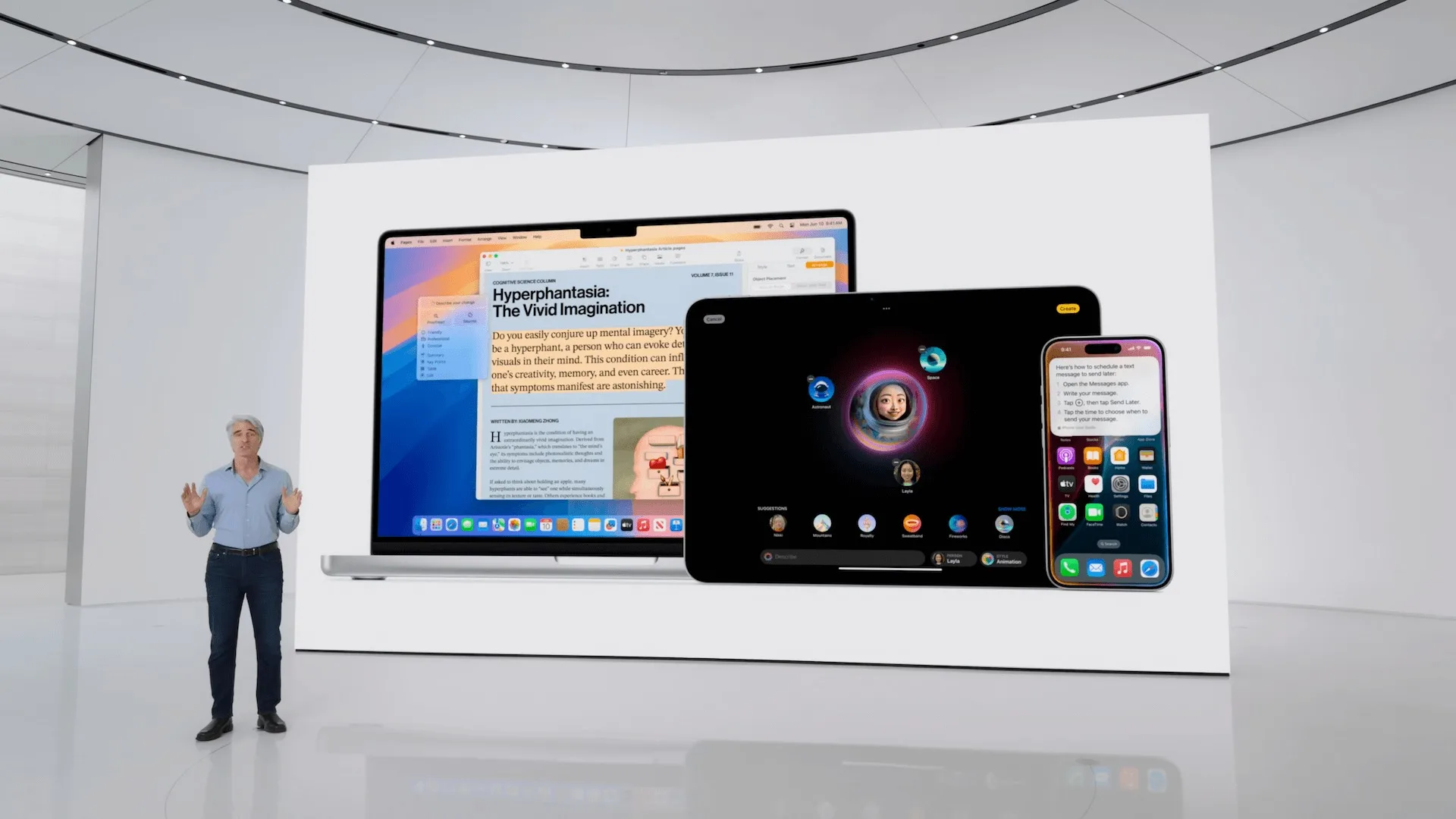
- Will Apple announce a public beta for the Camera app customization, allowing developers to test integrations early?
- What security and performance guardrails will be in place to prevent abuse of the customization system?
- How will third-party developers access the new APIs, and what revenue-sharing models (if any) will Apple introduce?
- Will the feature extend to iPadOS 27 or macOS 27, particularly for users of the MacBook Pro with M-series chips?
For now, the customizable Camera app remains speculative. However, given Apple’s track record of incremental innovation and the growing demand for user control in mobile photography, this feature feels inevitable. If realized, it could mark a turning point for how we interact with cameras—not just on iPhone, but across the industry.
What do you think? Will Apple’s customizable Camera app be a game-changer for photographers, or will it feel gimmicky? Share your predictions in the comments below—and don’t forget to follow World Today Journal for live coverage of WWDC 2026.
Next Steps:
- Monitor Apple’s WWDC website for official announcements.
- Follow Apple Developer for technical details on CameraKit and new APIs.
- Stay tuned for our post-WWDC analysis on how these features will impact developers and users.
Keep reading