Apple will allow Brazilian developers to distribute apps through alternative app stores and process payments outside its In-App Purchase system starting with iOS 26.5, following a landmark agreement with Brazil’s competition regulator CADE. The changes, set to take effect by July 6, 2026, mark a significant shift in Apple’s global app ecosystem, though they come with new security and compliance requirements to mitigate risks like malware and fraud.
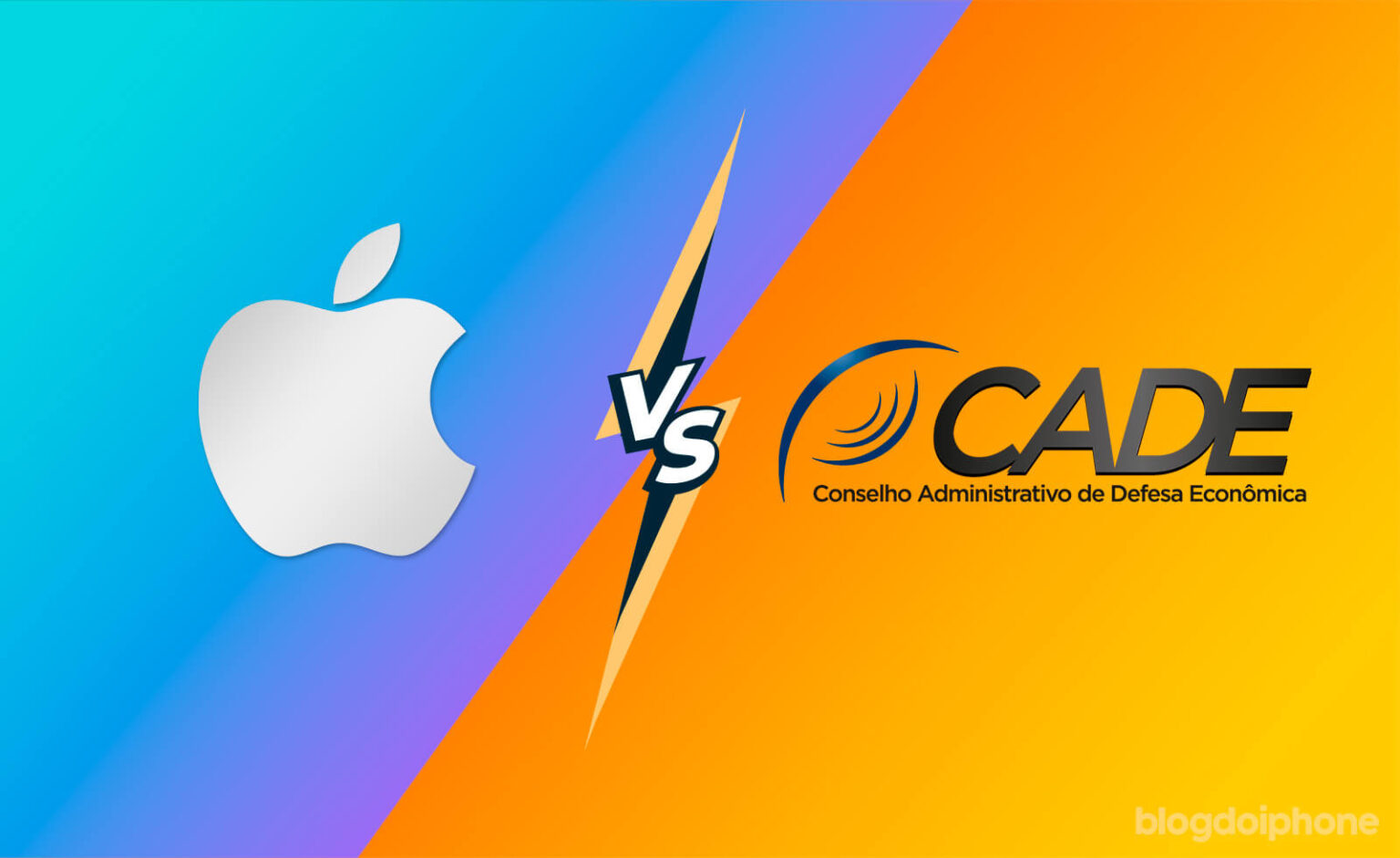
The updates reflect a rare concession by Apple to regulatory pressure, as CADE’s investigation into Apple’s app store policies in Brazil led to this unprecedented compromise. While the move opens doors for developers seeking more flexibility, it also introduces complexities around app distribution, payments, and user safety—particularly for children. Apple has emphasized that the new rules will include safeguards such as app notarization, marketplace authorization, and content filters to address potential risks.
For developers, the changes mean adapting to a dual-system model where apps can be downloaded from both the App Store and third-party platforms, while also navigating updated terms in the Apple Developer Program License Agreement. The timeline for compliance is tight, with the revised agreement requiring acceptance by July 6, 2026. Meanwhile, users in Brazil may soon see new app discovery options—but with heightened scrutiny over app safety.
Key Changes: What iOS 26.5 Brings to Brazil
Apple’s iOS 26.5 update for Brazil introduces three major shifts:
- Alternative app stores: Developers can now distribute apps through third-party marketplaces, not just the App Store.
- External payment processing: Apps can use payment systems outside Apple’s In-App Purchase, giving developers more revenue options.
- New security measures: Apps from alternative stores must undergo notarization, and marketplaces will require authorization from Apple.
These changes stem from a CADE investigation into Apple’s app store practices, which concluded that the company’s restrictions on alternative distribution methods violated Brazil’s competition laws. The agreement, announced in [verification pending], sets a precedent for how tech giants may operate under stricter regulatory oversight in emerging markets.
Why This Matters: A Shift in Apple’s Global App Strategy
Apple’s move in Brazil is notable for two reasons: it’s the first time the company has allowed alternative app stores in a major market, and it signals a potential softening of its long-standing stance on app distribution. Historically, Apple has resisted such changes, citing security and user experience concerns. However, the pressure from CADE—Brazil’s equivalent of the U.S. Federal Trade Commission—forced Apple’s hand.

For developers, the change could level the playing field, particularly for smaller studios that have long struggled with Apple’s 30% App Store commission. The ability to use alternative payment systems may also reduce costs, though it introduces new risks, such as chargebacks and fraud. Meanwhile, users in Brazil may benefit from more app choices, but they’ll also need to stay vigilant about app safety, as third-party stores historically have higher rates of malware and scams.
This development also raises questions about whether other regulators—such as the European Union or India—could push for similar concessions in the future. Apple’s response to CADE’s demands may set a template for how the company handles app store policies in markets with strong antitrust enforcement.
Security and Compliance: What Apple Is Doing to Protect Users
To address concerns about security and fraud, Apple has implemented several safeguards in collaboration with CADE:
- Notarization for iOS apps: All apps distributed through alternative stores must undergo Apple’s notarization process, which verifies that the app is free of malware and meets Apple’s security standards.
- Marketplace authorization: Third-party app stores will need to register with Apple and comply with its guidelines, including content moderation and user data protection rules.
- Child safety measures: Apps and marketplaces will be required to implement filters to block inappropriate content and scams targeting children, aligning with Brazil’s strict child protection laws.
While these measures aim to reduce risks, experts warn that enforcement could be challenging. Alternative app stores often operate in gray areas, and Apple’s ability to monitor them may be limited. Additionally, users downloading apps from outside the App Store will need to exercise greater caution, as these apps won’t benefit from Apple’s built-in security reviews.
For developers, compliance with these new rules will require careful planning. Apps distributed through alternative stores must meet the same security standards as those on the App Store, and developers will need to ensure their payment systems comply with Apple’s updated policies. Failure to do so could result in app rejection or removal from the App Store.
Timeline: What Happens Next
The rollout of these changes is scheduled as follows:
- July 6, 2026: All current members of the Apple Developer Program must agree to the updated license agreement, which includes the new terms for alternative app stores and payments.
- iOS 26.5 release (date TBA): The updated iOS version, which includes support for alternative app stores and payment systems, will be released to Brazilian users.
- Ongoing compliance: Apple will continue to monitor third-party app stores and enforce its security and content policies.
Developers who wish to take advantage of the new rules should begin reviewing Apple’s updated guidelines and preparing their apps for notarization and marketplace registration. Apple has also offered support sessions for developers with questions about the changes.
FAQ: Common Questions About the iOS Changes
Q: Will users in Brazil see a different version of iOS?

A: Yes. iOS 26.5 for Brazil will include the new features for alternative app stores and payments, while other regions will continue to use the standard iOS version without these changes.
Q: Can developers still use the App Store?
A: Absolutely. Developers can choose to distribute their apps through the App Store, alternative stores, or both. However, apps distributed through alternative stores must comply with Apple’s security and content rules.
Q: Are there any risks to using alternative app stores?
A: Yes. While Apple is introducing safeguards, alternative app stores historically have higher rates of malware, scams, and fraud. Users should only download apps from trusted sources and exercise caution.
Q: How will Apple enforce these new rules?
A: Apple will require third-party app stores to register and comply with its guidelines. Apps distributed through these stores must undergo notarization, and Apple reserves the right to remove non-compliant apps from the App Store.
Q: What if a developer doesn’t comply with the new rules?
A: Developers who fail to comply with the updated license agreement risk having their apps removed from the App Store and other penalties, including termination from the Apple Developer Program.
Next Steps for Developers
Developers looking to take advantage of the new rules should:
- Review the updated Apple Developer Program License Agreement and ensure compliance by July 6, 2026.
- Prepare apps for notarization if distributing through alternative stores.
- Explore payment alternatives and ensure they comply with Apple’s policies.
- Register with Apple if operating an alternative app store.
- Attend Apple’s support sessions or consult official documentation for guidance.
For users in Brazil, the changes may bring more app choices but also require greater vigilance. Always download apps from trusted sources, and be cautious of unfamiliar or unvetted marketplaces.
The next major checkpoint for these changes is the release of iOS 26.5, which will determine how smoothly the new app distribution system integrates into Brazil’s digital ecosystem. Apple has also indicated that it will continue to monitor and update its policies based on feedback from developers and regulators.
Have questions or insights about these changes? Share your thoughts in the comments below or reach out to Apple’s developer support for personalized guidance.
Keep reading