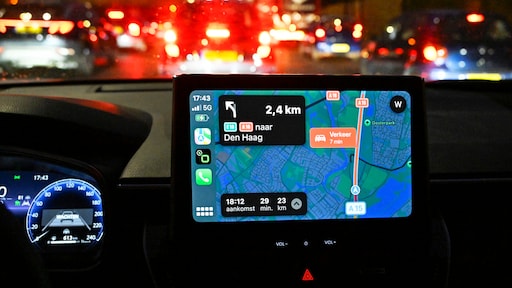
San Francisco, CA — May 14, 2026 — Apple’s latest iOS 26 update is bringing a long-requested feature to CarPlay: the ability to stream and watch videos directly from your iPhone while connected to your car’s infotainment system. However, the company has implemented strict safety measures that limit when and how this functionality can be used. Here’s what drivers need to know before hitting play while behind the wheel.
With iOS 26, Apple has finally enabled video playback in CarPlay, a feature that has been eagerly anticipated by users who rely on the platform for navigation, music, and now entertainment. But unlike traditional media playback, this new capability comes with a critical caveat: videos can only be played while the vehicle is parked. The move reflects growing concerns about distracted driving and the potential dangers of in-car entertainment systems.
This restriction isn’t just a technical limitation—it’s a deliberate design choice aimed at prioritizing road safety. Apple has partnered with automakers to ensure that video playback is disabled when the car is in motion, a safeguard that aligns with evolving regulations and industry best practices. However, the feature’s rollout has sparked debate among tech enthusiasts, safety advocates, and drivers about whether such restrictions go too far—or not far enough.
How Apple’s CarPlay Video Feature Works
Apple’s new video functionality in CarPlay operates under three key conditions:
- Vehicle must be stationary: The system detects when the car is parked and only allows video playback in that state. Attempting to play a video while moving will result in an automatic pause.
- Car manufacturer compatibility required: Not all vehicles support this feature yet. Apple has confirmed that automakers must integrate the latest CarPlay software updates to enable video playback. As of now, only a select group of 2026 and newer models from major brands have received the necessary firmware updates.
- Limited to approved apps and services: Users can stream videos from platforms like Apple TV+, Netflix, YouTube, and Disney+, but only if the app is optimized for CarPlay. Third-party apps that aren’t CarPlay-certified will not be able to take advantage of this feature.
For drivers who are eager to test the feature, Apple has provided a list of compatible vehicles on its official support page. However, the company has not yet released a public timeline for when additional automakers will adopt the necessary updates. Industry analysts suggest that by the end of 2026, the majority of new cars sold in North America and Europe will support CarPlay video playback.
Why the Restrictions? Safety Over Convenience
The decision to restrict video playback to parked vehicles stems from mounting evidence about the dangers of distracted driving. According to the National Highway Traffic Safety Administration (NHTSA), visual distractions—such as watching videos or scrolling through social media—significantly increase the risk of accidents. In 2025, the NHTSA reported that mobile device use while driving contributed to nearly 30% of all fatal crashes, a statistic that has driven regulators and tech companies to implement stricter safety protocols.

Apple’s approach mirrors similar restrictions already in place for other in-car entertainment features. For example, many modern vehicles disable phone notifications or social media apps while the car is in motion, and some even block texting entirely. By extending these safeguards to video content, Apple is setting a new standard for how technology should interact with driving.
Yet, the restrictions have not been without criticism. Some tech enthusiasts argue that the limitations are overly cautious, especially for drivers who use CarPlay primarily for navigation or audiobooks. Others point out that the feature could still encourage passengers to watch videos while the driver focuses on the road—a scenario Apple has not explicitly addressed.
Which Cars Support the New Feature?
As of May 2026, Apple has confirmed compatibility with the following vehicles (subject to manufacturer updates):
- BMW (2026 Model Year and newer)
- Mercedes-Benz (2026 Model Year and newer)
- Ford (2026 Mustang Mach-E and F-Series Super Duty)
- Volvo (2026 XC90 and S90 models)
- Tesla (Model 3 and Y, via CarPlay integration)
Owners of these vehicles can expect to see the update roll out in the coming weeks, though exact release dates vary by manufacturer. Apple has advised users to check for software updates via their car’s infotainment system or by visiting the CarPlay support page for the latest compatibility information.
For drivers whose vehicles aren’t yet on the list, Apple has not ruled out future expansions. The company has stated that it will continue working with automakers to broaden support, with a focus on ensuring that all new CarPlay-enabled vehicles meet the necessary safety standards.
What Which means for Drivers and Passengers
For drivers, the new feature offers a convenient way to catch up on shows or movies during stops, such as at red lights or in traffic jams. However, the parked-only restriction means that traditional use cases—like watching a movie during a road trip—remain off-limits. This could be a disappointment for families or long-distance travelers who rely on in-car entertainment.
Passengers, may find the feature more useful. Many modern vehicles allow passengers to connect their own devices to the infotainment system, and with CarPlay video support, they can now stream content directly from their iPhones—provided the car is stationary. This could make long drives slightly more enjoyable, though it also raises questions about whether passengers might pressure drivers to pull over for entertainment.
Safety advocates have welcomed Apple’s cautious approach, arguing that any feature that encourages video consumption while driving—even if indirectly—poses unnecessary risks. The Governors Highway Safety Association (GHSA) has previously stated that distracted driving is a leading cause of preventable crashes, and even passive distractions—such as watching videos—can impair a driver’s reaction time.
Looking Ahead: Will the Rules Change?
Apple has not indicated any plans to relax the parked-only restriction in the near future. In fact, the company’s recent press release emphasized its commitment to reducing distracted driving, suggesting that further updates to CarPlay will prioritize safety over convenience.

Industry observers speculate that future iterations of CarPlay could introduce additional safeguards, such as:
- Automatic muting of audio during active driving.
- Integration with advanced driver-assistance systems (ADAS) to further restrict media use when the car is in motion.
- Expanded compatibility with more automakers, including budget-friendly brands.
For now, drivers who want to enjoy videos in their cars will need to stick to traditional methods—such as connecting an iPad via USB or using a dedicated media player—unless they’re parked. But as technology evolves, the balance between convenience and safety will continue to be a key focus for both Apple and the automotive industry.
Key Takeaways
- Parked-only playback: Videos in CarPlay can only be watched when the vehicle is stationary.
- Car compatibility required: Only select 2026 and newer models from major automakers support the feature.
- Safety first: The restriction aligns with regulations and industry efforts to reduce distracted driving.
- Passenger-friendly: Passengers can stream content from their iPhones when the car is parked.
- Future updates likely: Apple plans to expand compatibility but will maintain safety-focused restrictions.
As Apple continues to refine CarPlay, the company’s approach to in-car entertainment serves as a case study in how technology can adapt to real-world safety concerns. For drivers, the message is clear: if you want to watch a video, pull over first.
What are your thoughts on Apple’s new CarPlay video feature? Do you think the restrictions go too far, or are they a necessary precaution? Share your experiences in the comments below.
Worth a look
- How AI drove Shopify back to clean code
- Inde Navarrette fra «Obsession» viser at hun er en ekte gamer med sin reaksjon på et sjeldent eksemplar av «Modern Warfare 2 – Gamereactor
- Apple AirPods 4 Price Drop: Target and Amazon Offer Big Discounts in 2026 (archynewsy.com)
- Apple iOS 16.2 Update Causes User Complaints (world-today-news.com)