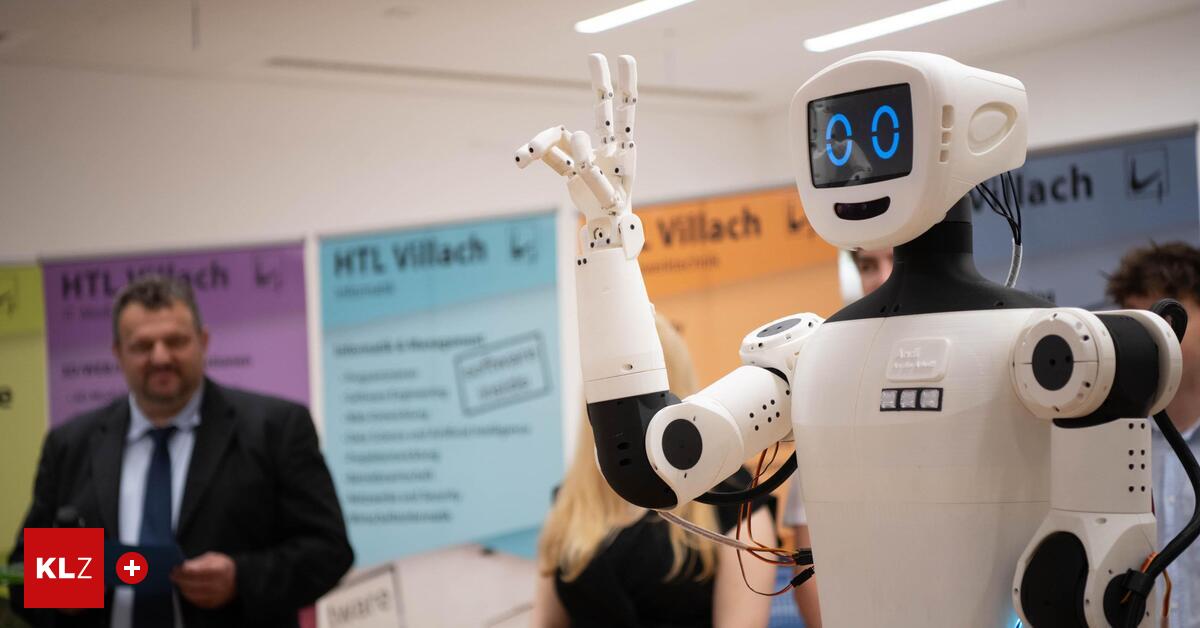
Students at the Higher Technical College (HTL) in Villach, Austria, are currently spearheading a technical project centered on the development of a humanoid robot named “Andi.” This initiative, which integrates collaborative efforts between apprentices and academic researchers, focuses on advancing the machine’s programming capabilities and its artificial intelligence frameworks, according to reports from the Carinthian educational institution.
The project serves as a practical application of mechatronics and software engineering, allowing students to apply theoretical classroom knowledge to real-world hardware. By utilizing the platform provided by the Andi robot, the team is working to refine how the machine processes environmental data and executes complex motor commands. This development phase is part of a broader commitment by the school to foster innovation in robotics and automation technologies.
Development and Technical Scope
The robot Andi functions as a testbed for various programming languages and machine learning algorithms. According to project documentation from the HTL Villach, the primary objective is to improve the robot’s autonomy and its ability to interact with its surroundings. Apprentices involved in the project have been tasked with the assembly and ongoing maintenance of the robot’s physical components, while senior students focus on the software architecture that drives its decision-making processes.
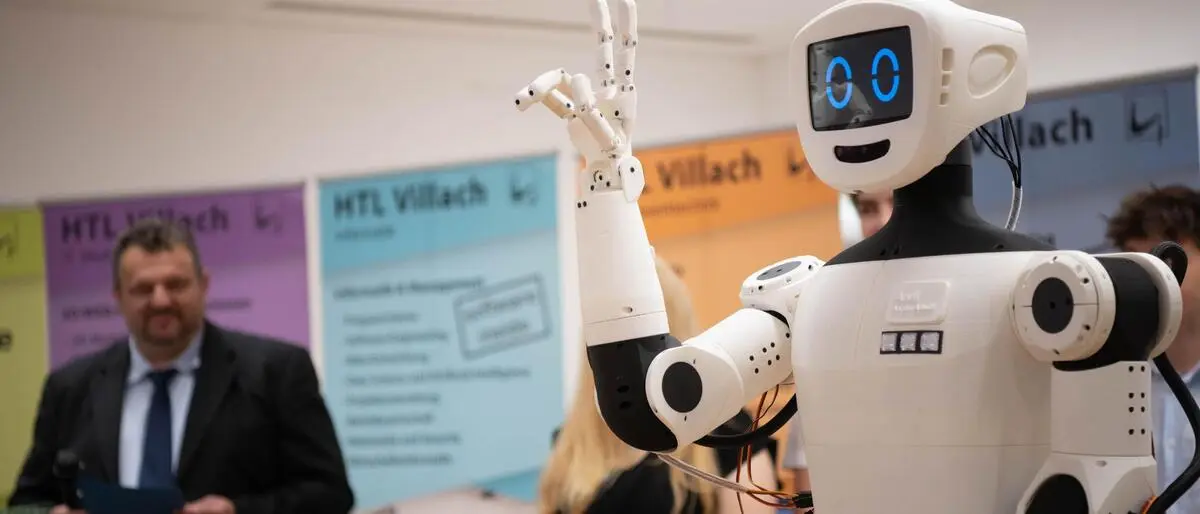
The integration of artificial intelligence into the robot’s core systems is intended to move the project beyond simple pre-programmed movements. By implementing neural networks, the students aim to enable the robot to adapt to changing environments, a challenge that remains a focal point in contemporary robotics research. This collaborative model between vocational training and technical education aligns with broader efforts to bridge the gap between industrial requirements and school-based learning.
Educational Impact and Industry Collaboration
The HTL Villach has long prioritized projects that demand high-level problem-solving skills. By involving apprentices in the construction and refinement of a humanoid platform, the school provides a direct pathway for students to gain experience with industry-standard tools. The project is not merely an academic exercise but a rigorous test of the students’ ability to troubleshoot hardware malfunctions and debug complex code in a live environment.

Industry experts often emphasize the importance of such hands-on experience for students entering the fields of computer science and mechatronics. The work on Andi requires a multidisciplinary approach, combining mechanical engineering, electrical systems, and software development. As these students progress, the data and insights gained from their work with the robot are expected to contribute to their final diploma projects and future professional portfolios.
Future Objectives and Research Trajectory
Looking ahead, the development team at the HTL Villach aims to expand the robot’s sensory capabilities. Future phases of the project are expected to include the integration of advanced computer vision and improved speech recognition interfaces. These additions would allow the robot to perform more complex tasks and engage in more sophisticated interactions with human operators.
While the project is currently confined to the educational setting, the skills acquired by the students are directly applicable to the manufacturing and automation sectors, which are major pillars of the regional economy in Carinthia. The school has indicated that it will continue to support the development of the Andi platform as part of its ongoing curriculum, with further updates on software iterations expected as the semester progresses.
For those interested in the technical progress of the Andi robot, the HTL Villach provides periodic updates regarding its academic initiatives and student-led research projects through its official institutional channels. Further details on the specific hardware configurations and software libraries utilized in this project are expected to be featured in upcoming departmental presentations and public demonstrations held at the school.
Readers are encouraged to share their thoughts on the role of AI in vocational education in the comments section below.