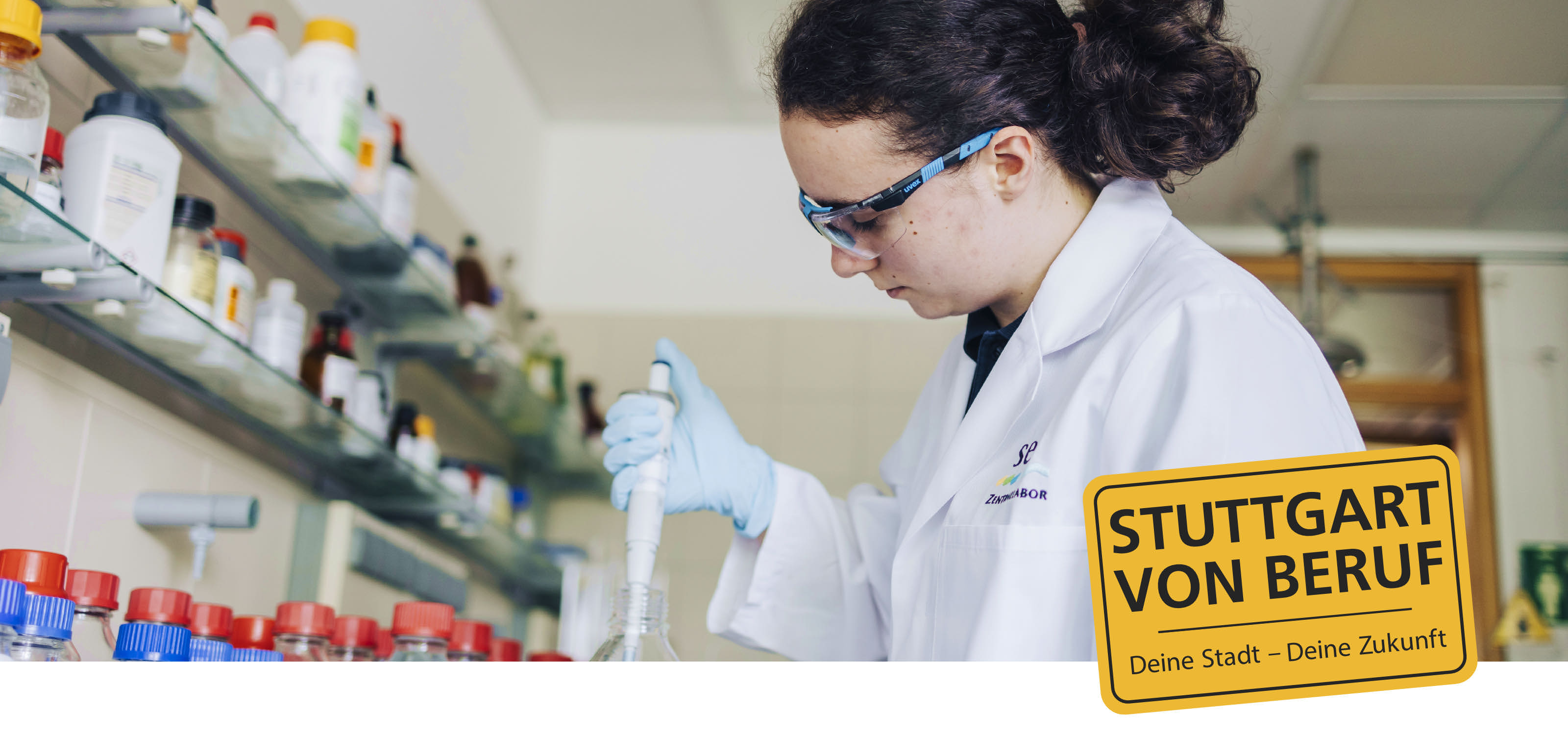
Municipalities in Germany are currently recruiting for the position of Ausbildung bei der Stadt Chemielaborant/-in (m/w/d), offering vocational training for chemical laboratory assistants to manage public health and environmental safety. These roles involve testing water quality in swimming pools, monitoring sewage treatment plants, and analyzing soil contaminants at landfills and former industrial sites, according to official German municipal recruitment portals.
The dual vocational training system in Germany combines classroom instruction with on-the-job experience. For those entering the chemical laboratory assistant track within a city administration, the work is focused on “environmental chemistry” and “public safety,” ensuring that the infrastructure serving citizens meets strict legal health standards. According to the Federal Institute for Vocational Education and Training (BIBB), this apprenticeship typically lasts three years and concludes with a national examination.
Candidates for these positions generally need a secondary school diploma (Realschulabschluss or Abitur) with strong grades in chemistry, mathematics, and physics. Because these roles are tied to public service, they often follow the TVöD (Tarifvertrag für den öffentlichen Dienst) pay scales, which provide standardized training allowances and comprehensive social benefits for apprentices.
What does a municipal chemical laboratory assistant actually do?
Unlike industrial chemists who develop new products, a municipal laboratory assistant focuses on monitoring and regulation. Their primary responsibility is the chemical analysis of samples taken from the city’s infrastructure. According to municipal job descriptions, this includes testing the chlorine and pH levels in public swimming pools to prevent bacterial growth and ensuring that wastewater treatment plants are removing pollutants effectively before water enters local river systems.

The role also extends to environmental protection and waste management. Assistants analyze samples from landfills (Mülldeponien) and “Altlasten”—contaminated sites—to track the migration of hazardous substances into the groundwater. In schools and kindergartens, they may be tasked with verifying the safety of drinking water systems, ensuring compliance with the German Drinking Water Ordinance (Trinkwasserverordnung).
Daily tasks typically include:
- Preparing chemical solutions and reagents for analysis.
- Operating high-tech laboratory equipment, such as spectrometers and chromatographs.
- Documenting results in digital laboratory journals for legal auditing.
- Performing quality control on water and soil samples.
How does the application process work through the Bewerbungsportal?
Most German cities now use a centralized Bewerbungsportal (application portal) to manage their recruitment. This digital system requires candidates to upload a curriculum vitae (CV), the most recent school reports, and a cover letter. According to guidelines from German municipal HR departments, the cover letter should specifically explain why the candidate is interested in public service rather than private industry.

Once an application is submitted via the portal, the selection process usually involves a screening of academic qualifications followed by an interview or a practical “probationary” day in the lab. Because these are public sector positions, the selection process is governed by transparency and equality laws to ensure all qualified candidates have a fair chance at the apprenticeship.
Why is this role critical for urban infrastructure?
The work of a chemical laboratory assistant is the first line of defense against environmental crises in an urban setting. By monitoring “Altlasten” (legacy contamination), the city can prevent toxic chemicals from leaching into the water table, which would otherwise lead to expensive remediation projects and public health warnings.
Furthermore, the strict monitoring of swimming pools and drinking water in public facilities is a legal mandate. Failure to maintain these standards can lead to the immediate closure of facilities by health authorities. The laboratory assistant provides the verified data that allows the city to prove it is meeting these safety regulations.
Comparing Public Sector vs. Private Industry Apprenticeships
While the technical skills learned in a municipal apprenticeship are similar to those in a private chemical company, the objectives and work-life balance differ significantly. According to the Industrie- und Handelskammer (IHK), which oversees the certification of these trades, the primary difference lies in the “purpose” of the analysis.
| Feature | Municipal (Stadt) | Private Industry |
|---|---|---|
| Primary Goal | Public safety and regulation | Product development and profit |
| Pay Scale | TVöD (Standardized Public) | Company-specific or IG Metall |
| Work Focus | Water, soil, and waste | Pharmaceuticals, plastics, etc. |
| Job Security | High (Public Service) | Market-dependent |
For many students, the public sector is more attractive due to the stability of the TVöD contracts and the direct impact their work has on the local community. However, private industry often offers higher potential for rapid salary increases once the apprenticeship is completed and the technician moves into specialized research and development.
What happens after the apprenticeship?
Upon successful completion of the final exams, graduates become certified “Chemielaborant/-in.” In a municipal setting, this often leads to a permanent contract as a laboratory technician. From there, employees can pursue further certifications to become “Techniker” or “Meister,” which allows them to manage entire laboratory departments or oversee city-wide environmental monitoring programs.
Because the certification is recognized nationwide and internationally, those who train with a city can also transition into roles with the Federal Environment Agency (Umweltbundesamt) or private environmental consultancy firms. The experience gained in handling diverse samples—from sewage to swimming pool water—makes them highly versatile in the field of analytical chemistry.
Interested applicants should monitor their local city’s official career portal, as application windows for these apprenticeships typically open several months before the start of the school year in August or September.
The next official update on recruitment windows for the upcoming cycle will be posted on the respective municipal portals. For those seeking to apply, ensure all documents are in PDF format and submitted through the official digital portal to avoid processing delays.
Do you have experience with the German dual education system or questions about public sector careers? Share your thoughts in the comments below.