
The foundation of one of the world’s most influential Linux distributions is undergoing a significant architectural shift. Debian developers have announced that the Advanced Package Tool (APT), the central system for managing software packages in Debian and its many derivatives—including Ubuntu—will introduce a hard Debian APT Rust dependency starting in May 2026.
This transition represents a strategic move toward modernizing the distribution’s core infrastructure. By integrating the Rust programming language into the heart of its package management system, Debian aims to eliminate long-standing security vulnerabilities associated with memory management in older languages. The move is not merely a technical update but a fundamental change in how the system handles critical operations like archive parsing and signature verification.
The announcement, made by Debian developer Julian Andres Klode, signals a novel era of memory safety for the project. While the benefits for the majority of users are centered on security and stability, the transition places significant pressure on the maintainers of less common hardware architectures, who must now race to adapt or risk losing official support.
Prioritizing Memory Safety in Core Infrastructure
The primary driver behind the shift to Rust is the pursuit of memory-safe programming. For decades, APT and similar system tools have been written largely in C and C++, languages that offer high performance but are susceptible to critical memory errors. These include buffer overflows and use-after-free vulnerabilities, which have historically served as primary entry points for security exploits in operating system components.
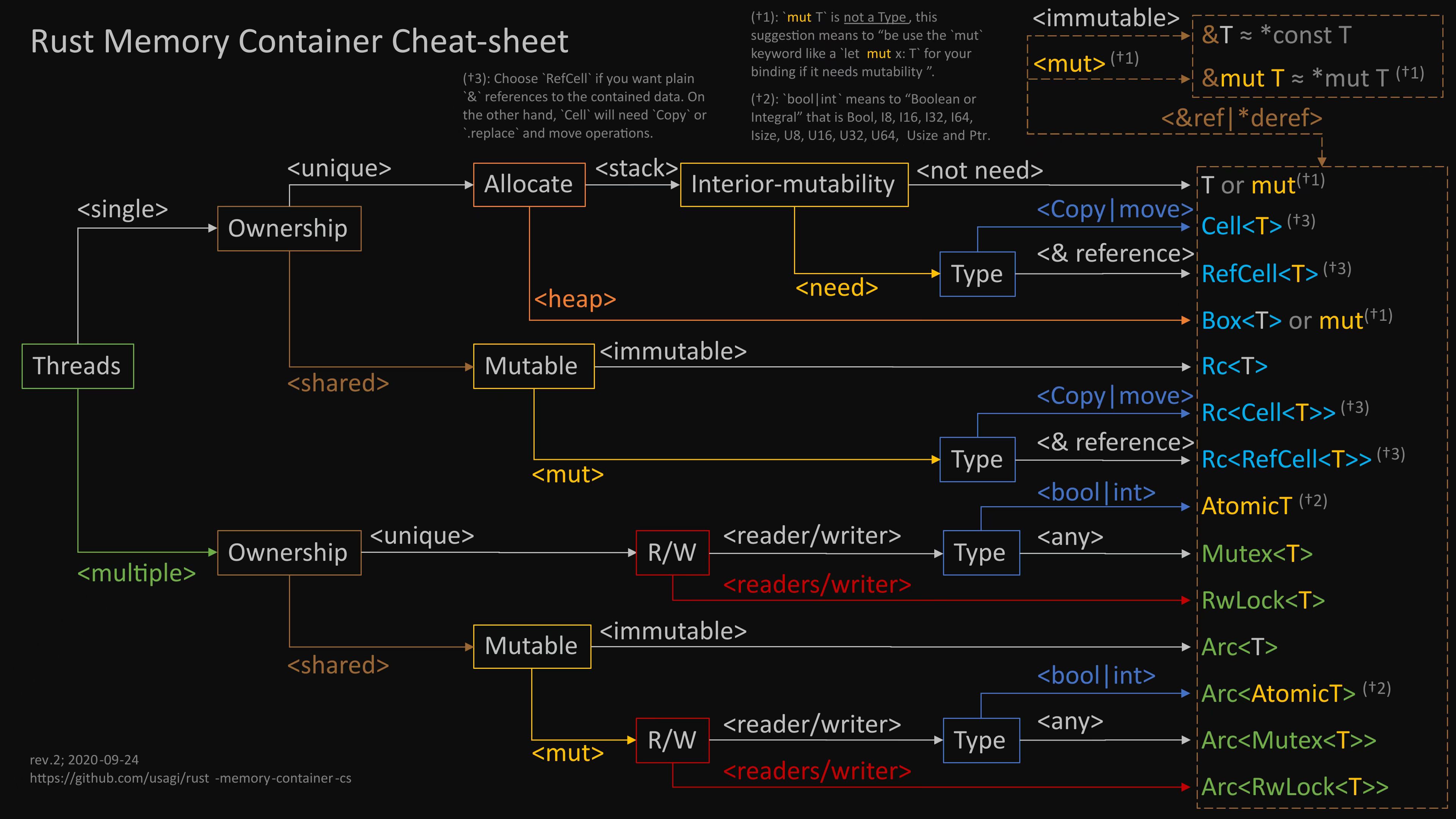
By implementing central parts of APT in Rust, Debian intends to avoid these common pitfalls. According to Julian Andres Klode, the transition provides the project with the advantages of a memory-safe language and enhanced capabilities for unit testing, ensuring that the package manager is more resilient against crashes and malicious attacks.
The integration is not a total rewrite of the tool but a targeted implementation of its most sensitive components. Specifically, the code used for parsing .deb, .ar, and .tar archives, as well as the processes for HTTP signature verification, will be transitioned to Rust. These areas are particularly critical because they handle external data and security credentials, making them high-value targets for attackers.
The Sequoia Ecosystem and Technical Integration
To facilitate this transition, Debian is integrating a specific set of tools and libraries. The Rust integration will initially include the Rust compiler, the standard library, and the Sequoia ecosystem. Sequoia is an OpenPGP implementation written in Rust that is already utilized across various software projects to handle encrypted communications and digital signatures securely.
By leveraging Sequoia, APT can modernize its signature verification process, ensuring that the software being installed is authentic and has not been tampered with. This layering of a modern, safe language over the existing package management logic allows Debian to harden its security posture without discarding the established functionality of the Advanced Package Tool.
Impact on Exotic Ports and Hardware Support
While the move to Rust is a win for security, it creates a challenging timeline for the maintainers of “exotic” or less common Debian ports. Because the Debian APT Rust dependency will be mandatory, any hardware architecture that cannot support a functioning Rust toolchain will be unable to run the updated version of APT.
Julian Andres Klode specifically addressed maintainers of architectures such as m68k, hppa (HP PA-RISC), sh4 (SuperH), and Alpha. These ports have been given a strict window of six months from the announcement to provide a functioning Rust toolchain; otherwise, support for these architectures may be discontinued by May 2026.
This ultimatum underscores the project’s commitment to evolving and adopting modern technologies, even if it means phasing out support for retro hardware that cannot keep pace with the requirements of memory-safe languages. For the broader Linux community, this highlights a growing trend where security and maintainability are being prioritized over legacy hardware compatibility.
Key Transition Details
| Feature | Details |
|---|---|
| Effective Date | May 2026 (Verified) |
| Key Components | .deb, .ar, .tar parsing; HTTP signature verification |
| Integrated Tools | Rust compiler, Standard Library, Sequoia (OpenPGP) |
| At-Risk Ports | m68k, hppa, sh4, Alpha |
| Primary Goal | Elimination of buffer overflows and use-after-free errors |
What Which means for the Global User Base
For the average user running Debian or Ubuntu on standard x86_64 or ARM64 hardware, this change will likely be invisible. The underlying system will turn into more secure, and the package manager will be less prone to the types of memory errors that lead to system instability or security breaches. The transition is a “behind-the-scenes” hardening of the OS.
However, for system administrators and developers working with specialized hardware, the deadline is critical. The requirement for a Rust toolchain means that the build environment for these ports must be updated to support Rust. If the maintainers of these architectures cannot bridge this gap, the software ecosystem for those specific machines will effectively stagnate as they lose the ability to use the primary package management tool.
This shift reflects a wider industry movement toward “memory-safe” languages. As governments and security agencies worldwide push for the reduction of memory-unsafe code in critical infrastructure, Debian’s decision to mandate Rust for APT places it at the forefront of this security evolution.
The next major checkpoint for this transition is May 2026, when the hard dependency becomes mandatory. Users and maintainers of niche architectures are encouraged to monitor official Debian developer communications for updates on toolchain support.
Do you use a non-standard architecture or manage Debian-based systems? We would love to hear your thoughts on this shift toward memory safety in the comments below.
Related reading