Rooting for the Future? Rhett Davis’s “Arborescence” and the complexities of Ecological Grief
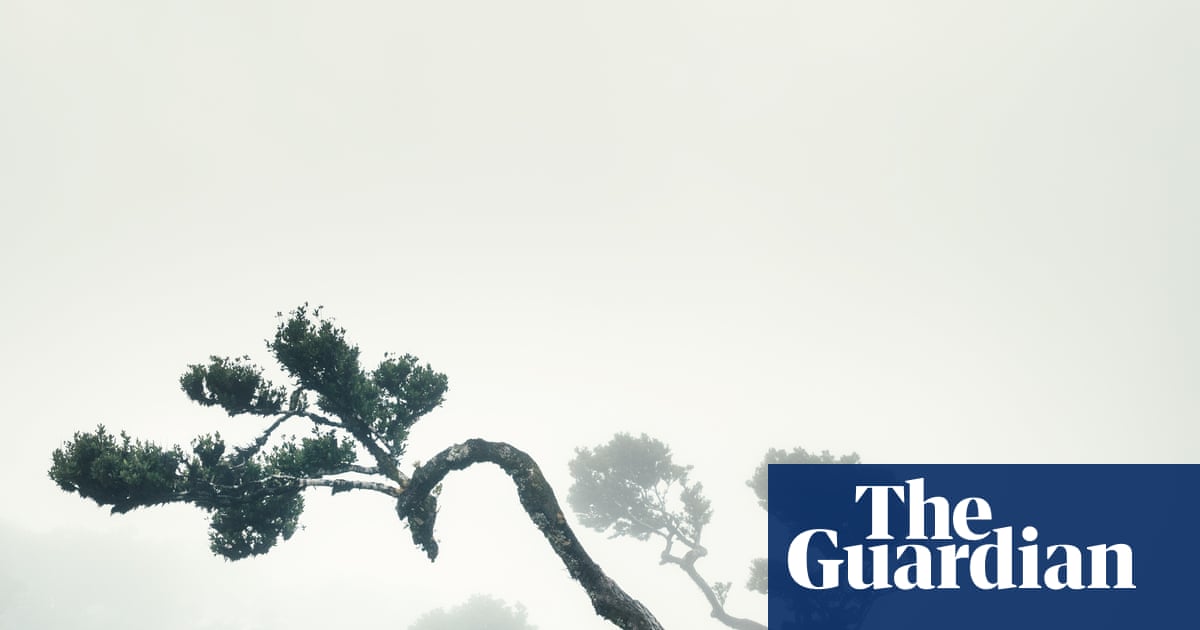
Rhett Davis‘s “Arborescence” isn’t a agreeable read. It’s a novel that burrows under your skin, presenting a near-future Australia grappling with a peculiar phenomenon: people voluntarily rooting themselves into the earth, becoming trees.While the premise sounds fantastical, Davis uses it to explore deeply relevant anxieties about ecological sustainability, societal pressures, and the weight of a future that feels increasingly uncertain.
This review will delve into the novel’s strengths, its unsettling echoes of Jonathan Swift’s satirical “A Modest proposal,” and why “Arborescence” resonates as a potent, if somewhat detached, commentary on our times.
A Disturbing Parallel: Swiftian Logic in a Green Future
Davis consciously evokes the spirit of Swift. “A Modest Proposal” famously offered a chillingly logical “solution” to Irish famine - the selling of children as food. “arborescence” doesn’t propose anything quite so horrific, but it presents a similarly rationalized response to overwhelming problems. The act of becoming a tree is framed not as despair, but as a logical endpoint, a form of radical self-sufficiency in a world spiraling towards ecological and economic instability.
This unsettling parallel forces you to confront uncomfortable questions. What lengths will individuals go to when faced with systemic failure? And how easily can even the most extreme solutions be normalized through a veneer of practicality?
The allure of Stillness: Exploring the “Why” Behind Rooting
The novel centers on Caelyn, a researcher studying this “arborescence” phenomenon, and Bren, a man increasingly drawn to the idea himself. Davis skillfully avoids easy answers. He doesn’t offer a definitive explanation for why people choose this path.
Instead, he focuses on the emotional landscape. Bren’s journey is marked by a growing sense of disillusionment, a feeling of being trapped by societal expectations. His internal struggle – the conflict between supporting his partner’s ambitions and acknowledging his own unfulfilled desires – is particularly poignant. He reflects, “As a heterosexual male partner…I should be able to forgo dreams of my own, but something about that remains hard to swallow.”
This isn’t simply about environmental anxiety. It’s about the pressures of modern life, the feeling of being a cog in a machine, and the yearning for something more authentic.
Voidstar and the Weight of Nostalgia
Davis masterfully interweaves fragments of a childhood TV show, “Voidstar,” throughout the narrative. These episodes, described in vivid detail, offer a strange counterpoint to the novel’s stark realism. “Voidstar” is a shapeshifting entity, appearing as everything from a “small faceless child” to a “seedling in a sleek, futuristic city.”
This serves several purposes:
* Nostalgia as Escape: The show represents a lost innocence, a simpler time before the weight of the world became so heavy.
* Mirroring the Novel’s Form: Like “Voidstar,” the novel itself is fragmented and constantly shifting, refusing easy categorization.
* The Gentle Chaos of Change: The show’s recurring theme of “gentlest chaos” hints at the unpredictable nature of both ecological and personal change.
A Detached crisis? The Novel’s Unique Outlook
“Arborescence” is an “econovel” that feels curiously insulated from the immediate, visceral experience of ecological crisis.The world outside Australia is sketched in broad strokes - references to the UN,expert opinions,and vague economic shifts.
This distance isn’t a weakness. It allows Davis to explore the psychological impact of environmental collapse, rather than simply depicting its physical manifestations. You’re left to grapple with the implications of a world where the crisis is happening elsewhere, yet its effects are deeply personal.
Why You Should Read “Arborescence”
“Arborescence” is a challenging, thought-provoking novel. It won’t offer you easy answers or comforting solutions. But it will force you to confront difficult questions about your own relationship to the habitat, to society, and to your own sense of purpose.
Here’s what makes it worth your time:
Keep reading