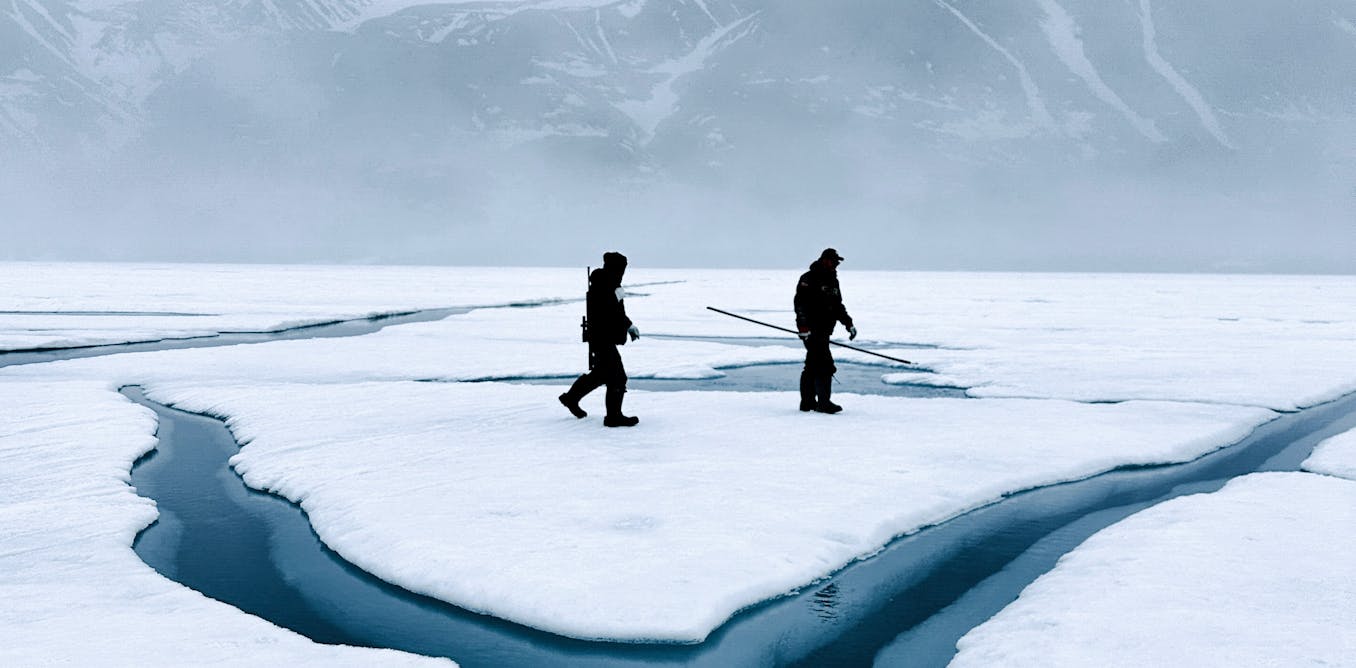
The Arctic: A Bellwether for Planetary Health
The Arctic is undergoing a dramatic transformation, and what happens there doesn’t stay there. Its a region grappling with not only a rapidly changing climate, but also escalating concerns about ecosystem health and the pervasive presence of pollutants. Essentially, the Arctic serves as a crucial early warning system for the interconnected challenges facing our entire planet.
I’ve found that understanding the Arctic’s plight is key to addressing the broader “triple planetary crisis” – climate change, biodiversity loss, and pollution – all simultaneously. Let’s explore why this region is so vital and what the next two decades hold.
A Region Under Pressure
The Arctic’s unique habitat makes it notably vulnerable.Here’s a breakdown of the key pressures:
* Accelerated warming: Temperatures in the Arctic are rising at roughly twice the global average. This is driving sea ice loss, thawing permafrost, and altering ecosystems at an unprecedented rate.
* Pollutant Accumulation: The Arctic acts as a sink for pollutants transported from lower latitudes via atmospheric and oceanic currents. these contaminants accumulate in the food chain, impacting wildlife and, ultimately, human health.
* Biodiversity at Risk: Iconic Arctic species – like polar bears, seals, and migratory birds – are facing habitat loss and declining populations. The delicate balance of the Arctic ecosystem is being disrupted.
* Increased human Activity: As sea ice retreats, access to the arctic increases, leading to more shipping, resource extraction, and tourism.This introduces new pressures on the environment.
Why the Arctic matters to You
You might be wondering, “What does this mean for me?” The changes in the Arctic have far-reaching consequences:
* Global Climate Regulation: The Arctic plays a critical role in regulating global climate patterns. Melting ice contributes to sea level rise, impacting coastal communities worldwide.
* Weather Patterns: Changes in Arctic temperatures and sea ice extent can influence weather patterns in mid-latitude regions,leading to more extreme events.
* Food Security: Disruptions to Arctic ecosystems can impact global fisheries and the availability of traditional food sources for Indigenous communities.
* Economic Impacts: The opening of Arctic shipping routes and access to resources have economic implications, but also raise concerns about environmental sustainability.
Looking Ahead: The Next 20 Years
The next two decades will be pivotal for the Arctic. Here’s what we can anticipate:
- Continued Warming: Even with aggressive climate action,some degree of further warming is inevitable. This will lead to continued sea ice loss and permafrost thaw.
- Ecosystem Shifts: We’ll likely see significant shifts in Arctic ecosystems, with some species declining and others expanding their range.
- Increased Access & Activity: as the Arctic becomes more accessible, human activity will continue to increase, requiring careful management to minimize environmental impacts.
- Growing focus on Sustainability: I believe there will be a growing emphasis on sustainable development and environmental protection in the arctic, driven by both scientific understanding and the needs of local communities.
what Can Be Done?
addressing the challenges facing the Arctic requires a multifaceted approach.Here’s what’s essential:
* Reduce Greenhouse Gas Emissions: Aggressive action to reduce greenhouse gas emissions is paramount to slowing the pace of Arctic warming.
* invest in Monitoring & Research: Continued monitoring of Arctic ecosystems and research into the impacts of climate change and pollution are crucial.
* Strengthen International Cooperation: The Arctic is a shared responsibility,requiring international cooperation to address the challenges effectively.
* Empower Indigenous Communities: indigenous communities have a deep understanding of the Arctic environment and should be actively involved in decision-making processes.
The Arctic isn’t just a