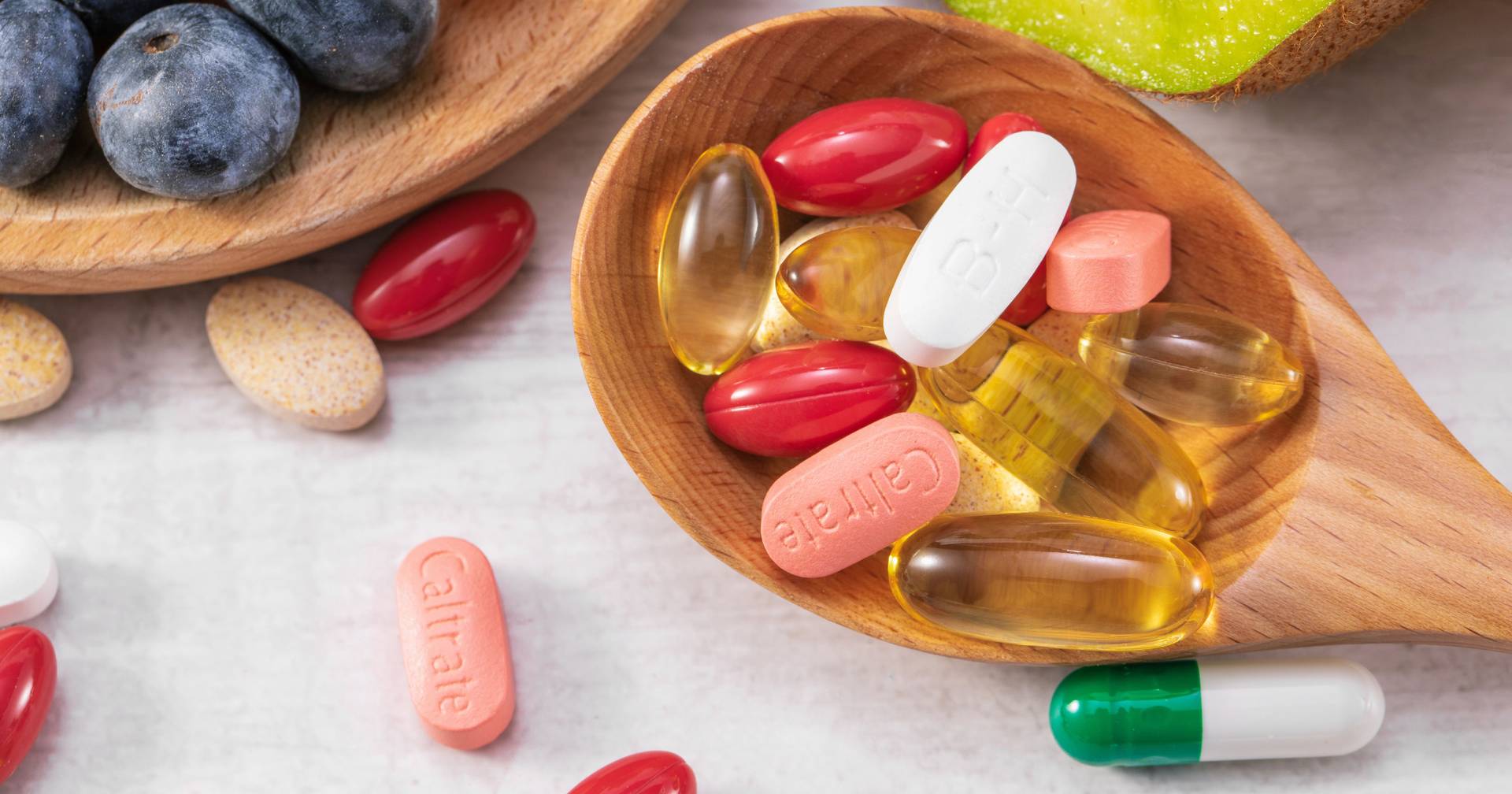
In recent years, the global market for dietary supplements has expanded rapidly, driven by increasing consumer interest in preventive health, fitness optimization, and wellness trends. From vitamin D and omega-3 fatty acids to protein powders and herbal extracts, these products are now widely available in pharmacies, supermarkets, and online platforms. Though, as their popularity grows, so do concerns about whether they are truly necessary, safe, and effective for the average person. This question—whether we actually demand to capture dietary supplements—has become a focal point for public health experts, nutritionists, and regulatory bodies worldwide.
The answer, according to current scientific consensus, is not a simple yes or no. While certain populations may benefit from targeted supplementation under medical supervision, most healthy individuals can meet their nutritional needs through a balanced diet alone. Unnecessary or excessive intake of supplements, particularly without professional guidance, may lead to adverse effects, nutrient imbalances, or even interfere with prescription medications. Regulatory agencies such as the European Food Safety Authority (EFSA) and the U.S. Food and Drug Administration (FDA) emphasize that supplements are not intended to replace whole foods and should be used judiciously.
One of the key challenges lies in the influence of social media and digital marketing, where influencers often promote supplements as quick fixes for energy, weight loss, or immunity, sometimes without scientific backing. This has contributed to a rise in self-prescribed use, particularly among young adults and athletes, increasing the risk of overconsumption and potential harm. In response, health authorities in several countries have issued public advisories urging consumers to consult healthcare providers before starting any supplement regimen.
Understanding the role of dietary supplements requires a clear distinction between treating diagnosed deficiencies and using them as preventive measures in otherwise healthy individuals. For example, vitamin D supplementation is widely recommended during winter months in higher latitudes where sunlight exposure is limited, particularly for older adults, people with darker skin, or those with limited outdoor activity. Similarly, folic acid is advised for women planning pregnancy to reduce the risk of neural tube defects. These recommendations are based on robust clinical evidence and are endorsed by organizations such as the World Health Organization (WHO) and national health ministries.
However, for nutrients like vitamin C, vitamin E, or beta-carotene, large-scale studies have failed to reveal consistent benefits from supplementation in preventing chronic diseases such as cancer or cardiovascular disease in well-nourished populations. In some cases, high-dose antioxidant supplements have even been associated with increased health risks. A 2023 review published in the Journal of the American College of Cardiology concluded that routine use of multivitamins does not reduce the risk of heart disease, stroke, or mortality in the general population.
Another area of growing concern is the use of performance-enhancing supplements among athletes and fitness enthusiasts. Products containing caffeine, creatine, or branched-chain amino acids are frequently marketed for muscle gain and endurance, but their safety and efficacy vary widely. While creatine monohydrate has strong evidence supporting its use for improving high-intensity exercise performance in certain contexts, other ingredients may lack sufficient research or pose risks such as gastrointestinal distress, elevated blood pressure, or contamination with banned substances. The World Anti-Doping Agency (WADA) maintains a strict list of prohibited substances, and some supplements have been found to contain undeclared stimulants or anabolic agents, leading to inadvertent doping violations.
Regulatory oversight of supplements remains complex. In the European Union, food supplements are regulated under Directive 2002/46/EC, which sets harmonized rules for labeling and safety but does not require pre-market approval for efficacy. In the United States, the Dietary Supplement Health and Education Act (DSHEA) of 1994 governs the industry, allowing products to be marketed without proving effectiveness, as long as they do not claim to diagnose, treat, cure, or prevent disease. This regulatory framework has drawn criticism from public health experts who argue it allows misleading claims to persist.
To address these gaps, initiatives like the European Union’s Register of Nutrition and Health Claims aim to ensure that any health-related statements on supplement labels are scientifically substantiated. Only claims approved through this rigorous evaluation process can be legally used in marketing. Similarly, organizations such as the Council for Responsible Nutrition (CRN) and the International Alliance of Dietary/Food Supplement Associations (IADSA) promote industry self-regulation and quality standards, though participation is voluntary.
Consumers seeking reliable information are advised to consult trusted sources such as national health services, registered dietitians, or pharmacists. In Germany, for example, the Federal Institute for Risk Assessment (BfR) provides science-based assessments of supplement safety, while the UK’s National Health Service (NHS) offers clear guidance on when supplements may be appropriate. These resources emphasize that lifestyle factors—such as eating a variety of fruits, vegetables, whole grains, lean proteins, and healthy fats—remain the foundation of good health.
the decision to take dietary supplements should be individualized, based on factors such as age, sex, diet, medical history, and lifestyle. Blood tests can help identify specific deficiencies, and healthcare providers can recommend appropriate interventions if needed. Rather than relying on marketing trends or anecdotal advice, a personalized, evidence-based approach ensures that supplements are used only when truly beneficial and safely integrated into one’s overall health strategy.
As research continues to evolve, ongoing monitoring and transparent communication will be essential to help the public navigate the complex landscape of dietary supplements. For the latest updates on safety guidelines, approved health claims, and national recommendations, individuals are encouraged to refer to official sources such as the European Food Safety Authority (European Food Safety Authority), the National Institutes of Health Office of Dietary Supplements (NIH Office of Dietary Supplements), and the World Health Organization (World Health Organization).
Stay informed, consult professionals, and prioritize whole foods as your primary source of nutrition. If you have experiences or questions about dietary supplements, we welcome your thoughts in the comments below—please share this article to help others build informed choices about their health.
Worth a look
- Les particules de plastique augmenteraient le risque d’infarctus – latribune.ca
- Krankenhaus: Ärzte vereinen ihre Kräfte im Kampf gegen Darmkrebs – Pirmasens – DIE RHEINPFALZ
- Jānis Slaidiņš States Hybrid Threats Outweigh Baltic Invasion Risks (archyworldys.com)
- Uber Q2 2026 EPS Guidance and Impact of 10% Workforce Cut (world-today-news.com)