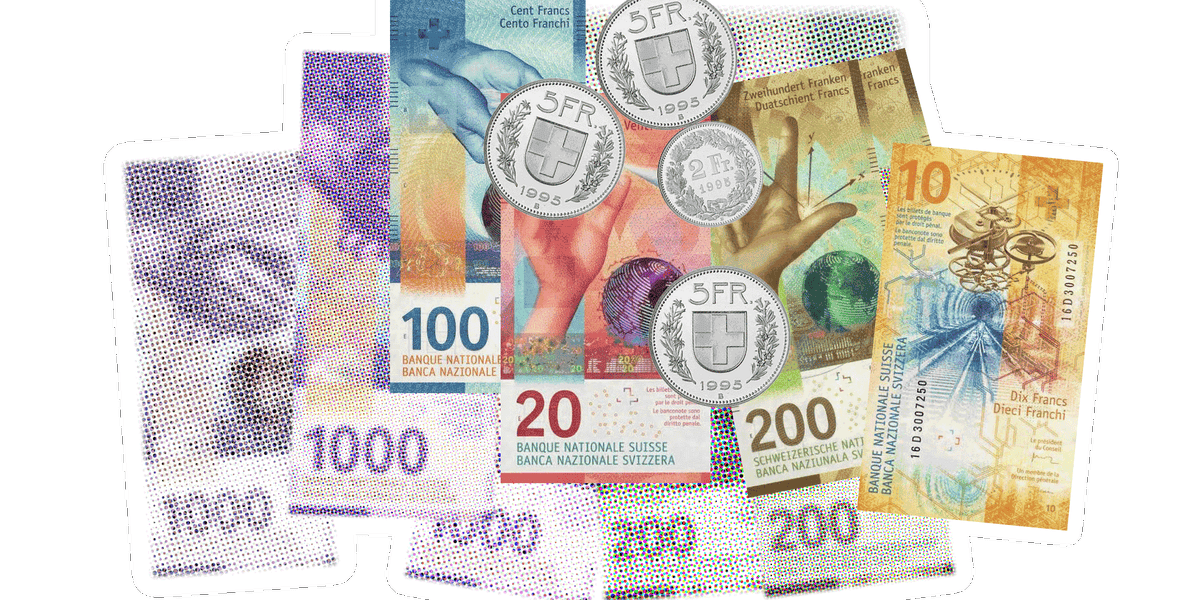
Switzerland consistently maintains its position as the world leader in average wealth per adult, with recent financial data placing the figure at approximately $900,000 per capita. While these figures highlight the nation's overall financial health, they also raise questions regarding the distribution of assets and the factors driving wealth accumulation in a global context.
Understanding Global Wealth Disparities
The concentration of wealth in Switzerland is often examined through the lens of the Global Wealth Report, which tracks the net value of financial and non-financial assets held by individuals. According to data published by UBS and Credit Suisse, the Swiss population benefits from a unique confluence of economic stability and high income levels. This report serves as a primary benchmark for researchers evaluating how different nations compare in terms of household prosperity and capital reserves.

In contrast, other European nations have seen varying degrees of growth in private assets. While Switzerland remains at the top, countries like Germany have reported different trends in wealth distribution. These structural differences mean that "average wealth" often masks significant variations in how money is held—whether in liquid cash, real estate, or stock market investments.
Drivers of Wealth Accumulation
Several factors explain why Switzerland maintains its status at the top of international wealth rankings.
However, the narrative of wealth growth is not uniform across all demographics. This discrepancy occurs because a significant portion of the total wealth is held by a relatively small percentage of the population, a phenomenon observed in many developed economies.
Methodology and Personal Comparison
Many financial institutions and media outlets now offer digital tools that allow individuals to compare their personal net worth against national or global benchmarks.
Future Trends in Wealth Management
Looking ahead, the evolution of private wealth will likely be dictated by global market conditions and shifts in monetary policy.
Until then, observers will continue to monitor how the Swiss economy navigates the balance between maintaining its competitive edge and addressing the growing need for inclusive growth. Readers are encouraged to monitor updates from the Swiss National Bank and major financial reporting outlets for the latest analysis on these trends. Feel free to share your thoughts on these findings in the comments section below.