
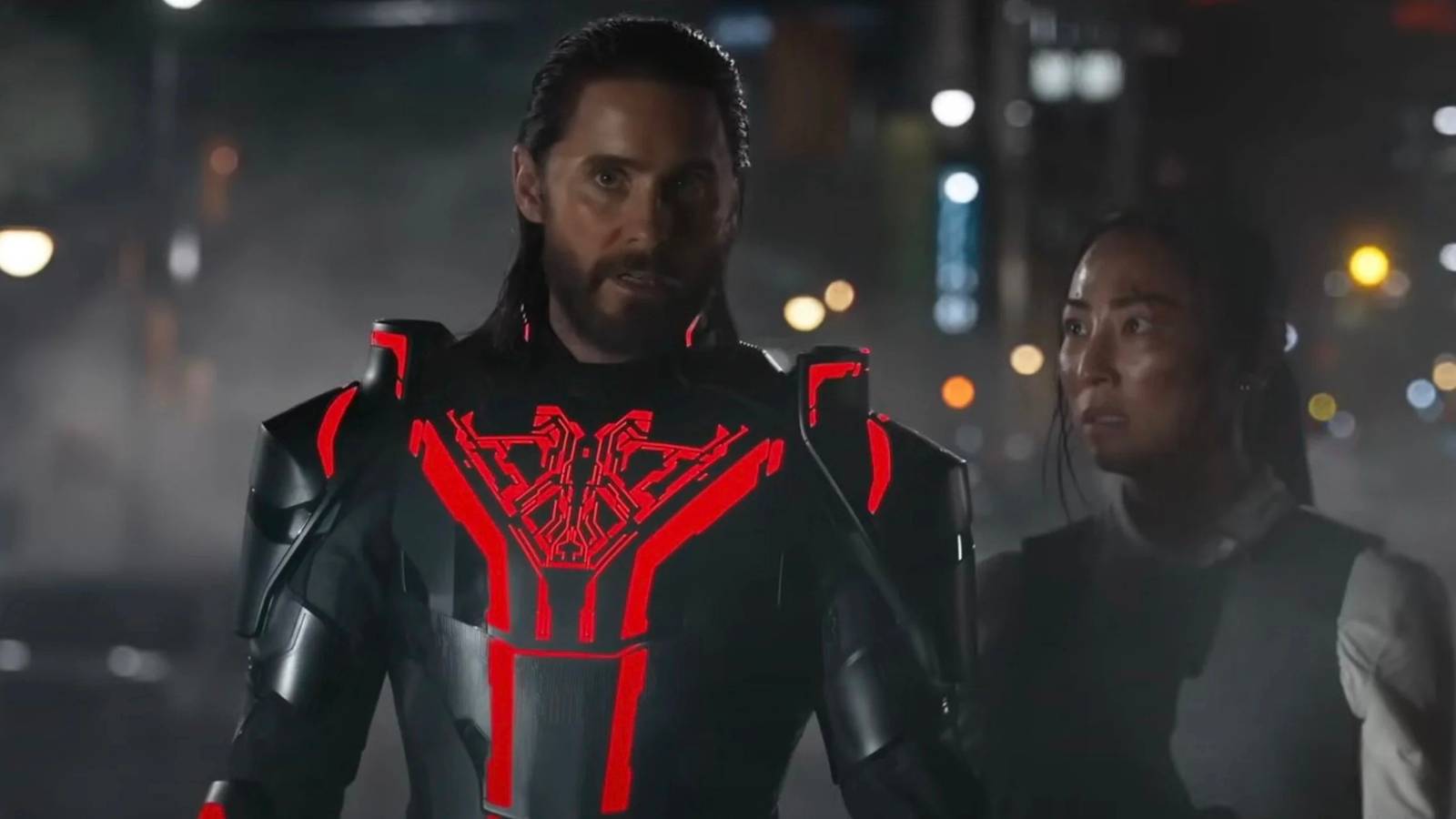
Tron: Ares – A Disappointing Return to the Grid and What It Means for Sci-Fi
The highly anticipated Tron: Ares has arrived, and unfortunately, it appears to have stalled before it even gained traction.Initial box office numbers paint a grim picture, suggesting a significant loss for Disney – perhaps exceeding $130 million. This outcome raises serious questions about the future of the Tron franchise and, more broadly, the viability of big-budget science fiction in Hollywood.
A Missed Possibility in a Familiar World
Jared Leto‘s portrayal of Ares is visually striking, and the concept of constructs from the digital Grid infiltrating the real world is genuinely intriguing. Tho,the film struggles to deliver a cohesive narrative,leaving a sense of unfulfilled potential. There’s a compelling story struggling to emerge, but it’s hampered by thematic inconsistencies and a lack of impactful resolution.
The film’s core message feels muddled, and this uncertainty permeates every aspect of the production.It begs the question: does Disney truly understand what resonates with audiences about Tron, especially in an era increasingly focused on the implications of artificial intelligence? perhaps a return to the drawing board – and a prolonged hiatus – is what this franchise needs.
Why Tron: Ares Fell Short
Several key issues contributed to the film’s underwhelming performance:
* Narrative Confusion: The story lacks a clear, driving purpose, leaving viewers disconnected from the characters and their motivations.
* Thematic Ambiguity: Tron: Ares attempts to grapple with complex themes surrounding AI and reality, but fails to commit to a definitive stance.
* Lost identity: The film struggles to balance the established Tron aesthetic with a new, real-world setting, resulting in a disjointed experience.
* Missing Element: The absence of a signature Daft Punk soundtrack, a cornerstone of the previous Tron films, is keenly felt.
The Bigger Picture: Sci-Fi’s Struggle in Hollywood
Despite the disappointment surrounding Tron: Ares, its failure is particularly disheartening for the science fiction genre as a whole. It’s a genre that consistently offers thought-provoking commentary on society and technology, yet it ofen struggles to secure the funding and attention it deserves from major studios.
Original, high-budget sci-fi films are becoming increasingly rare, with Hollywood often favoring established franchises and safer bets. This trend is a shame, as science fiction has the potential to be both commercially prosperous and critically acclaimed.
Fortunately, television has emerged as a haven for ambitious sci-fi storytelling. Shows are taking risks and exploring complex themes with a level of depth and nuance that is often absent from blockbuster films. If you’re seeking compelling sci-fi, consider exploring some of the fantastic, yet sadly cancelled, series like those highlighted here.
A Hope for the future
Ultimately, while Tron: Ares may not have revitalized the franchise, it serves as a cautionary tale for hollywood. It underscores the importance of strong storytelling, thematic clarity, and a genuine understanding of the source material.
Despite the setbacks, I remain optimistic about the future of science fiction. the genre’s ability to explore profound questions about humanity and technology remains as relevant as ever. With the right creative vision and a willingness to take risks, science fiction can once again thrive on the big screen.





