D.C. National Guard Deployment Faces Scrutiny as Deadline Approaches
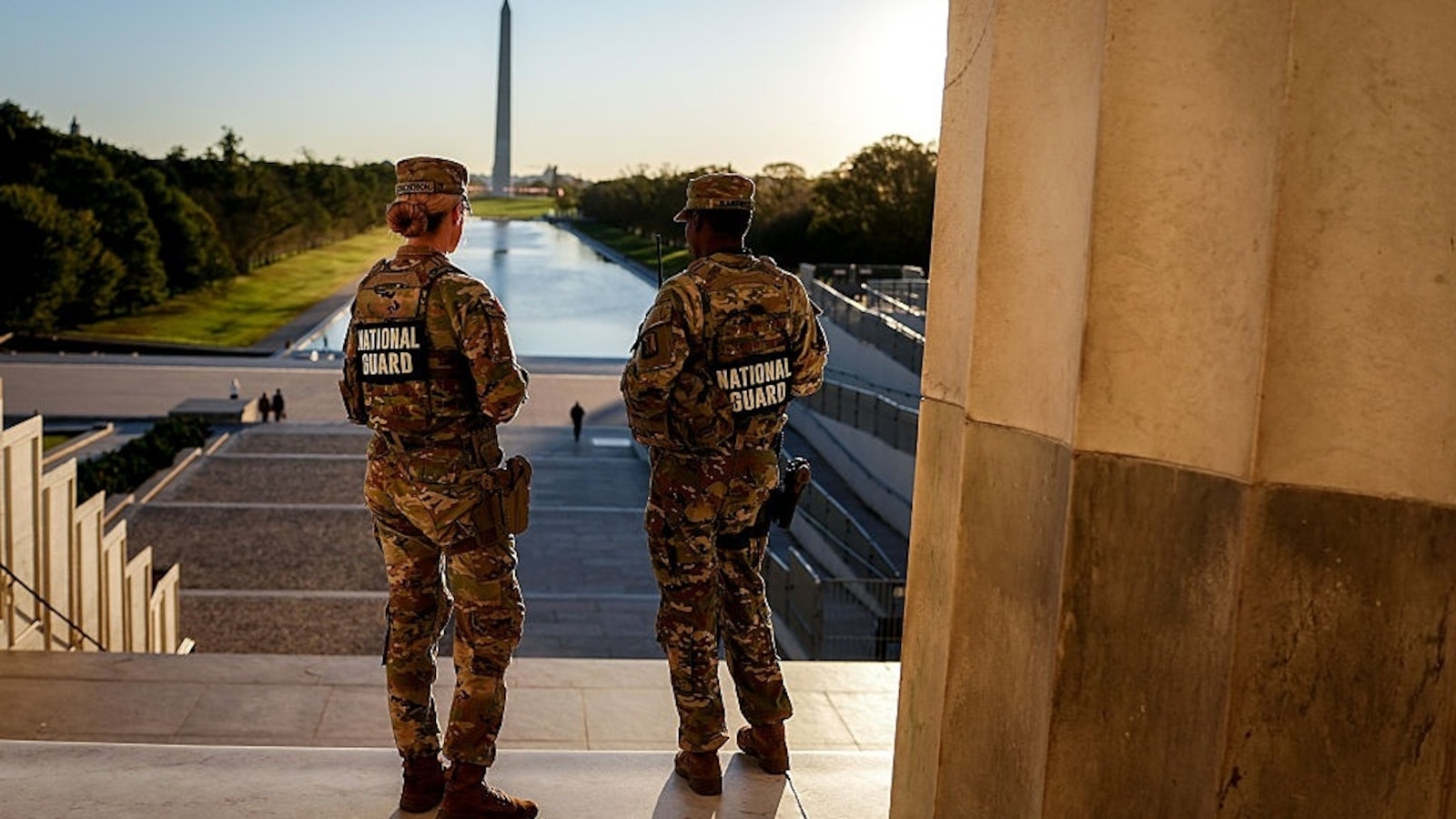
The presence of the National Guard in Washington D.C., initially authorized in August, is now the subject of legal and logistical debate as a current deployment order nears its end. Questions are arising about the future of this mission, the extent of federal control, and the constitutional implications of utilizing the Guard in this capacity.
Here’s a breakdown of the situation and what you need to know:
Current Status & Timeline
Currently, approximately 2,400 National Guard members from D.C. and eight other states are operating under federal law enforcement authority. Their current orders are set to expire on November 30th. As of now, there are no confirmed plans for an extension beyond this date.
however, the upcoming “America 250” celebration – commemorating the nation’s 250th anniversary in July 2026 – is a meaningful factor in ongoing discussions about the mission’s future. This milestone event is likely to influence decisions regarding the Guard’s continued presence in the capital.
States’ Role & Potential Rotation
governors from the eight states contributing Guardsmen volunteered their personnel for this mission. Importantly, these governors retain the ability to rotate their troops, offering a potential pathway for adjustments to the deployment. One state official has indicated they haven’t received requests to extend their Guard’s service past the end of November.
Legal Challenge & Concerns Over Authority
The District of Columbia has filed a lawsuit alleging that the deployed troops are effectively functioning as a federal military police force. This legal action centers on concerns that local authority has been superseded by federal law enforcement and the National Guard presence.
The lawsuit specifically argues:
* The Pentagon is exercising “pervasive control” over the troops.
* State governors and adjutant generals have limited meaningful command authority over their deployed personnel.
* This situation potentially violates the U.S. Constitution.
Essentially, the District argues that the federalization of the Guard undermines the traditional balance of power and local control. You can understand why this is a sensitive issue for local authorities.
What Does this Mean for You?
This situation highlights the complex interplay between federal and state authority, especially in the nation’s capital. It raises significant questions about the appropriate role of the National Guard in domestic law enforcement and the preservation of local governance.
the outcome of the legal challenge and the decisions surrounding the mission’s extension will have implications for:
* Local law enforcement: The level of support and potential overlap with federal agencies.
* National Guard personnel: The duration and nature of their deployments.
* Constitutional principles: The balance of power between federal and state governments.
As the November 30th deadline approaches, expect further developments in this evolving situation. It’s a reminder that even seemingly straightforward deployments can involve intricate legal and political considerations.