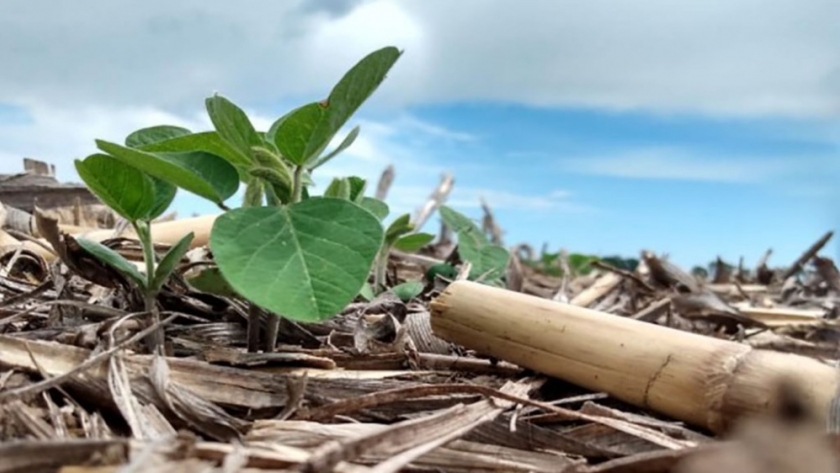
Argentina’s agricultural sector faces its most critical productive challenge in decades as widespread nutrient depletion compromises the nation’s fertile central zone. According to maps and data compiled by the Instituto Nacional de Tecnología Agropecuaria (INTA) and Fertilizar Asociación Civil, up to 60% of agricultural plots now display phosphorus levels close to insufficiency. Agronomist Daniel Ploper, an emeritus researcher and former director of the Estación Experimental Agroindustrial Obispo Colombres, highlighted that the country maintains one of the lowest nutrient replenishment rates among major grain producers globally. This continuous extraction without adequate fertilization steadily erodes the natural resource base that underpins national agricultural output.
The core of the crisis lies in the ongoing imbalance between the nutrients extracted during each harvest and those returned through artificial or organic fertilization. For decades, Argentine farming systems have drawn down the natural fertility reserves of the soil to maintain production levels under heavy economic pressures, including export tax retentions. While producers in competing agricultural nations often receive direct state subsidies, Argentine farmers operate with high tax burdens that discourage long-term soil investments. Consequently, the soil functions as an uncompensated buffer, absorbing the costs of production while losing its foundational productive capacity year after year.
Phosphorus Deficiency and Yield Gaps Across Central Farmland
Phosphorus remains the most severely depleted nutrient across Argentina’s primary farming regions. Technical monitoring conducted by INTA and Fertilizar AC reveals that six out of every ten plots exhibit critical nutrient shortages, creating a stark contrast with soil health conditions recorded twenty to thirty years ago. This deficiency directly stunts crop development and creates significant yield gaps. In soybean production, for instance, the difference between potential and realized yields reaches 28%, resulting in average losses of roughly 900 kilograms per hectare according to findings cited by agricultural technicians.
These shortfalls persist despite clear agronomic evidence demonstrating a favorable return on investment for fertilizer applications. Many producers continue to under-fertilize due to a combination of immediate financial constraints, variable profit margins, and entrenched technical myths regarding natural soil resilience. Analysts emphasize that half of all productive lots receive no targeted fertilization whatsoever, leaving crops dependent on a soil matrix that can no longer supply essential minerals at historical rates.
Economic Pressures and the Search for State-Led Solutions
Discussions surrounding the nutrient deficit frequently center on the complex financial realities of rural producers. High tax pressures, including historical and current export retentions, limit the operational capital available for comprehensive soil management programs. Industry experts argue that short-term survival strategies jeopardize the long-term viability of Argentina’s primary comparative advantage in global agricultural markets. Without a deliberate shift in management practices, the degradation of the country’s arable land threatens to permanently cap national harvest potentials.
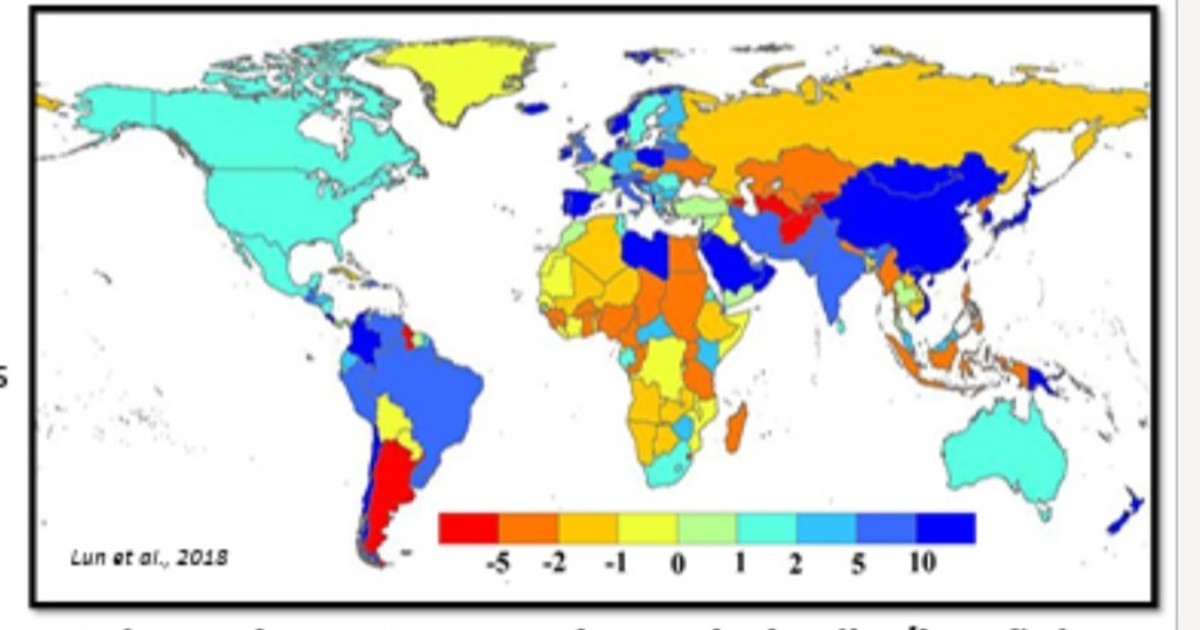
Reversing this widespread impoverishment requires more than individual farm-level adjustments. Researchers point to the necessity of structured state policies alongside robust educational campaigns led by extension workers and agricultural organizations. A more aggressive replenishment strategy aims to shift the focus from simple crop extraction to active soil regeneration.
Worth a look