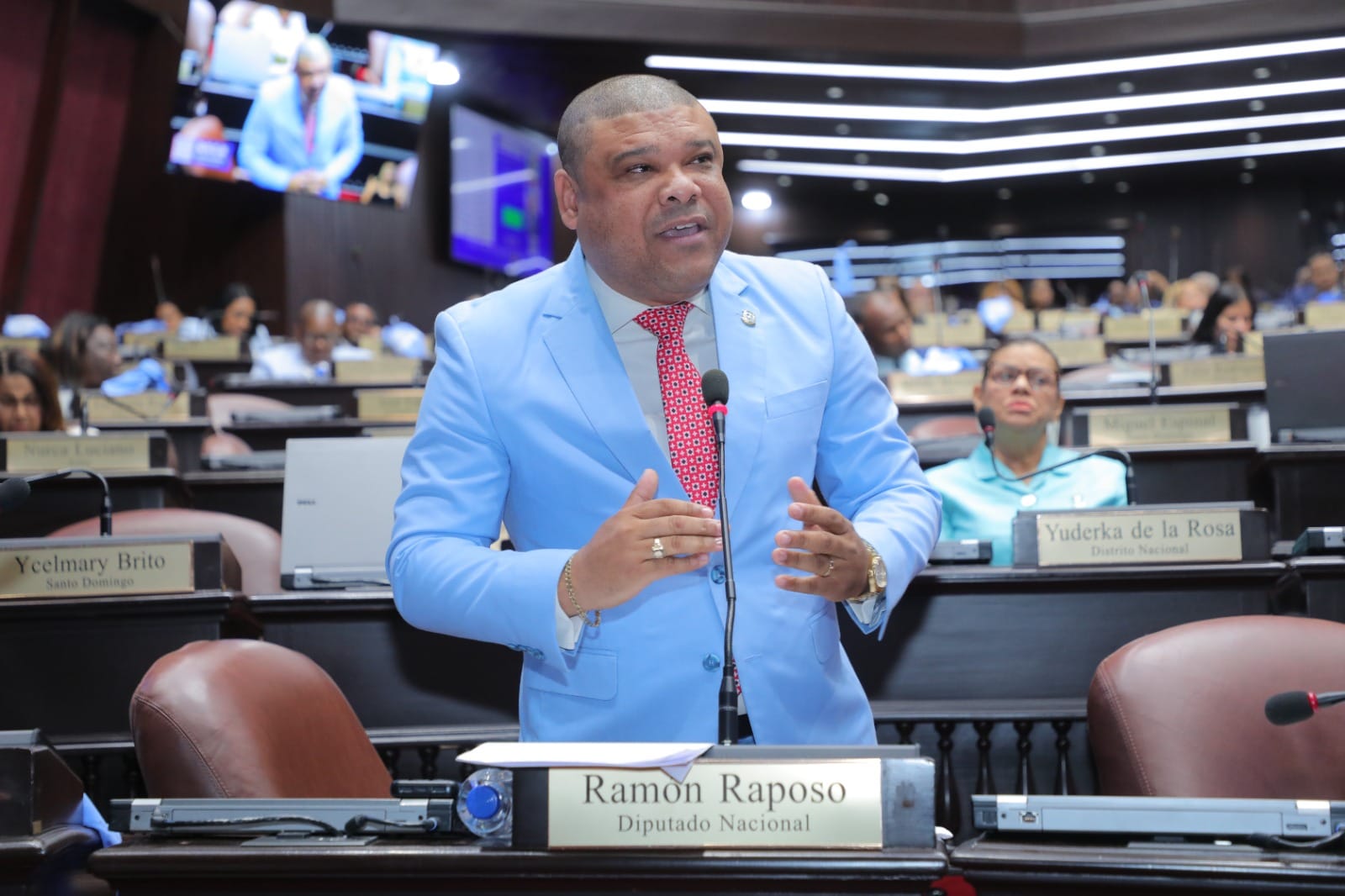
National Deputy Ramón Raposo has raised sharp objections to the legislative approval of new international financing agreements totaling 465 million dollars, arguing that continued borrowing places an unsustainable burden on public finances without delivering tangible returns for citizens. According to reports from regional financial monitors and legislative debates, the critique focuses on the administration’s fiscal strategy, as lawmakers confront a series of foreign credit packages aimed at funding infrastructure and budgetary support.
The debate centers on whether escalating sovereign debt translates into concrete economic development or merely defers structural fiscal reforms. As global financial institutions continue to adjust lending rates, economists emphasize that debt servicing costs remain a critical pressure point for developing economies. Lawmakers from opposing factions have increasingly demanded rigorous cost-benefit analyses before committing future fiscal revenues to international creditors.
Financial analysts note that public debt management requires a delicate balance between funding necessary capital projects and maintaining long-term macroeconomic stability. With international markets monitoring emerging economy debt profiles closely, domestic debates over new loans often reflect broader anxieties regarding inflation, currency valuation, and the capacity of state revenues to service external obligations without curtailing essential social spending.
Legislative Scrutiny and Financial Implications
The authorization of the 465 million dollar financing package has exposed deep divisions within the legislative chamber regarding public spending priorities. Critics argue that each new tranche of foreign debt diminishes fiscal autonomy and increases vulnerability to external economic shocks. Proponents of the loans, however, maintain that external financing remains vital for completing critical public works and stimulating economic activity during periods of sluggish domestic growth.
Independent economic assessments frequently highlight the distinction between productive debt—investments in infrastructure that generate revenue or boost productivity—and debt incurred to cover routine operational deficits. Observers point out that public skepticism often peaks when loan approvals are expedited without clear benchmarks for project completion or measurable impacts on employment and local commerce.
Context of National Debt Trends
The controversy surrounding these financing approvals arrives amid ongoing discussions regarding national debt sustainability metrics. According to fiscal policy reports, maintaining a predictable debt-to-GDP ratio is essential for preserving sovereign credit ratings and ensuring favorable borrowing terms on global markets. When legislators question the utility of new loans, it typically signals broader political resistance to expanding the national deficit in the absence of comprehensive tax or spending reforms.
Public accountability mechanisms and legislative oversight committees remain the primary arenas for debating these financial commitments. Citizens and business organizations often look to these parliamentary sessions for clarity on how borrowed funds are allocated and monitored throughout the execution phase of public projects.
Next Steps and Official Review
The legislative agenda includes subsequent review sessions where executive agencies must present detailed implementation timelines and expenditure reports for the approved funds. Observers expect further debate as committees evaluate the execution of prior loan agreements and assess compliance with fiscal transparency standards.
We welcome your perspective on fiscal policy and public debt management. Please share your thoughts or join the discussion in the comments section below.
Worth a look