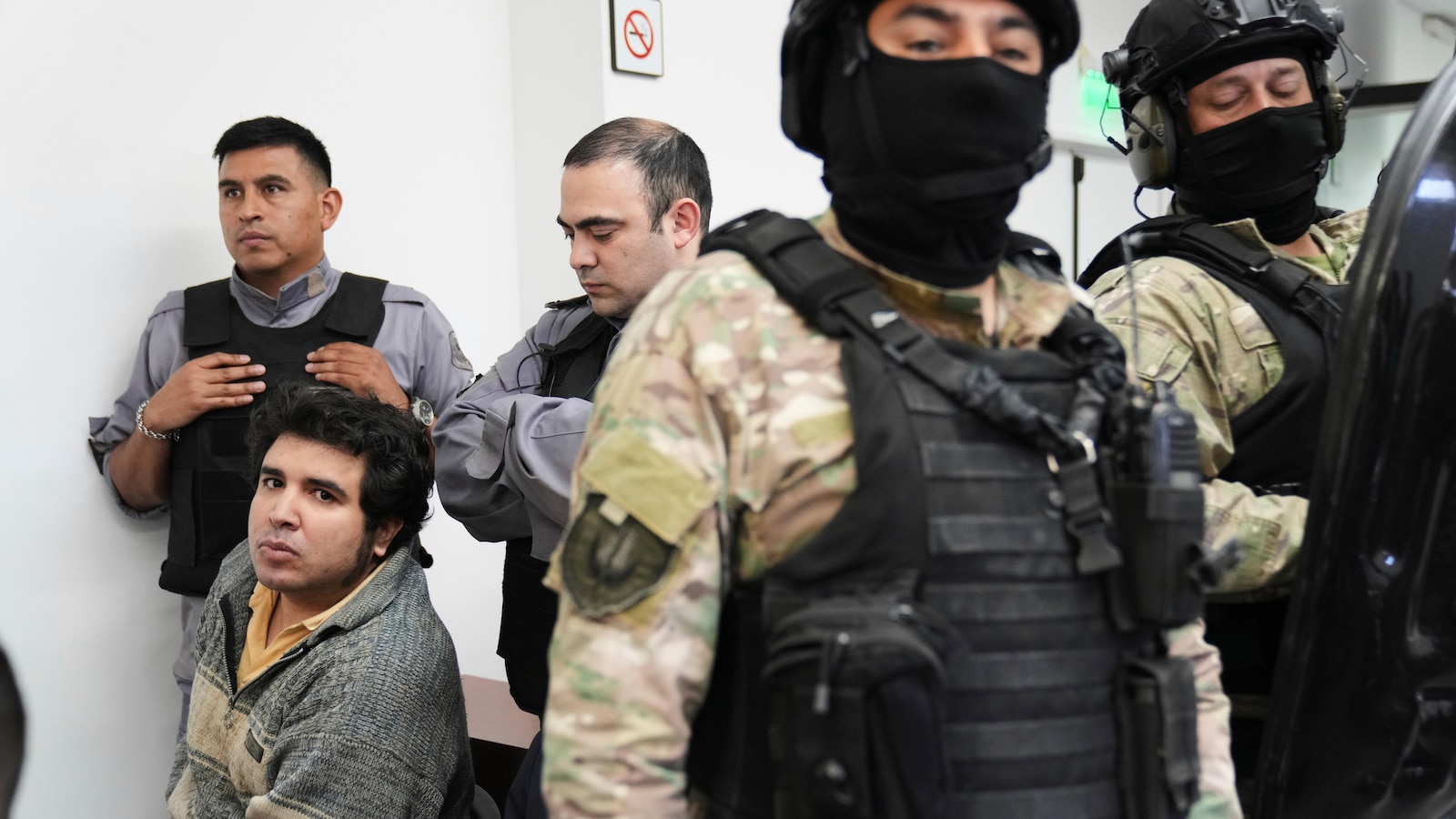
Argentina’s Fernández attackers Sentenced: A Look at the Aftermath and Ongoing Political Tensions
The individuals responsible for the attempted assassination of former Argentine President Cristina Fernández de Kirchner have recently faced justice, concluding a high-profile case that has gripped the nation. This event, occurring amidst a backdrop of intense political polarization, continues to reverberate through Argentina’s political landscape.
Here’s a breakdown of the key developments and what they mean for you and the future of Argentine politics:
The Attack and Initial Response
On September 1, 2022, a shocking scene unfolded outside Fernández de Kirchner’s Buenos Aires home. A man, later identified as Fernando Sabag Montiel, attempted to shoot the former president at close range while she greeted supporters. Fortunately, the firearm malfunctioned, preventing a successful assassination.
Promptly following the incident, Sabag Montiel was apprehended by Fernández de Kirchner’s security detail and bystanders. The attempted attack sparked widespread condemnation and raised serious questions about security and political violence in Argentina.
The Trial and Verdict
Prosecutors argued that Sabag Montiel and his then-girlfriend, Brenda Uliarte, meticulously planned the assassination attempt. Evidence presented included WhatsApp conversations detailing the acquisition of the weapon and surveillance of Fernández de Kirchner’s residence to understand her routines.
Ultimately, Sabag Montiel confessed to the crime, claiming his motive was to punish Fernández de Kirchner for alleged corruption. Uliarte, however, maintained her innocence, denying any involvement in the plot. Both have now been sentenced: Sabag Montiel received a life sentence, while Uliarte was sentenced to six years in prison.
Fernández de Kirchner’s Current Situation
despite the conviction of her attackers, Fernández de Kirchner remains a central figure in Argentine politics.She was previously sentenced to six years in prison on corruption charges, a verdict she vehemently rejects as politically motivated.
Considering her age and security concerns, the court allowed her to serve her sentence under house arrest in Buenos Aires. Even under these restrictions, she continues to be a vocal critic of current president Javier Milei, utilizing social media and receiving prominent visitors like Brazilian President Luiz Inácio Lula da Silva to maintain her political presence.
A Nation Divided: Political Context
This case unfolded against a backdrop of deep political divisions in Argentina. Fernández de Kirchner, a Peronist leader, has long been a polarizing figure, facing accusations of corruption and mismanagement during her presidency.
President Milei, a libertarian, represents a stark contrast to Fernández de Kirchner’s political ideology. His election victory signaled a significant shift in Argentine politics, and the ongoing tensions between the two leaders reflect the broader divisions within the country.
What Does This Mean for Argentina?
The sentencing of the attackers marks a significant step toward justice, but it doesn’t resolve the underlying issues that fueled the attempted assassination.
* Political Polarization: the incident underscores the intense political polarization in Argentina and the potential for violence.
* corruption Allegations: the case highlights the ongoing debate surrounding corruption allegations against Fernández de Kirchner and their impact on public trust.
* Security Concerns: The attack raises questions about the security of political figures and the need for enhanced protection measures.
Moving forward, it’s crucial for Argentina to address these challenges to foster a more stable and democratic society. You can expect continued scrutiny of the political climate and a focus on rebuilding trust in institutions.
This case serves as a stark reminder of the fragility of democracy and the importance of upholding the rule of law. As Argentina navigates these turbulent times, it’s vital to prioritize dialog, reconciliation, and a commitment to peaceful political engagement.
Keep reading