Global Fertilizer Consumption Rises Amidst Shifting Agricultural Landscape
Global demand for fertilizers continues to climb, with consumption reaching 5.1 million tonnes in 2025 – a 3% increase compared to the previous year, signaling a rebound in agricultural investment. This growth is largely driven by demand for maize production and favorable climatic conditions, though concerns are emerging regarding declining wheat quality. Whereas producers are reinvesting in their operations, experts emphasize the critical need for precision in nutrient management to avoid compromising future yields and maintain sustainable agricultural practices.
The increase in fertilizer use reflects a broader trend of recovery in the agricultural sector following a period of adjustment. According to preliminary data from Fertilizar Asociación Civil, the market experienced a gradual start to the year but gained significant momentum in the latter half, fueled by maize and improved weather patterns. This resurgence highlights the vital role fertilizers play in maximizing crop yields and ensuring global food security, particularly as the world’s population continues to grow.
Maize Drives Fertilizer Demand, While Wheat Quality Concerns Emerge
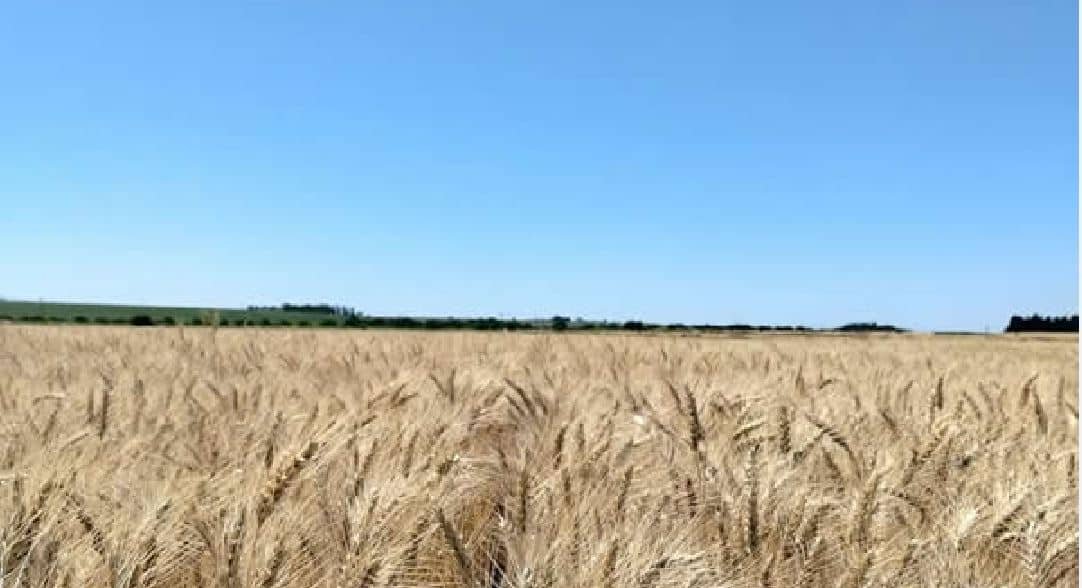
Maize has emerged as a key driver of fertilizer demand, prompting increased investment in nutrient applications. Favorable climatic conditions, including adequate soil moisture, have further encouraged planting and fertilization decisions. The expansion of maize and wheat acreage has contributed to the overall growth in fertilizer consumption. However, this growth isn’t without its challenges. Reports indicate a concerning trend: despite record wheat production, the quality of the grain is declining, potentially linked to reduced fertilizer application rates per hectare.
The shift towards maximizing volume at the expense of quality raises important questions about long-term sustainability. While increased production is crucial to meet global food demands, maintaining the nutritional value and processing characteristics of crops is equally important. This requires a more nuanced approach to fertilizer management, focusing on precision and tailored nutrient applications based on specific soil conditions and crop requirements.
Pastureland Sees Significant Growth in Fertilizer Use
Beyond maize and wheat, the pastureland sector has also experienced a notable surge in fertilizer demand. Between March and April, pastureland showed the largest year-on-year increase in fertilizer use, contributing significantly to overall market growth. This suggests a growing recognition of the importance of soil health and nutrient management in improving pasture quality and livestock productivity. Investing in pastureland fertilization can lead to increased forage yields, improved animal nutrition, and enhanced overall farm profitability.
The Importance of Balanced Fertilization for Sustainable Agriculture
The recent increase in fertilizer consumption underscores the critical role of plant nutrition in modern agriculture. Fertilizers provide essential nutrients – nitrogen (N), phosphorus (P), and potassium (K) – that plants need to thrive. However, simply applying more fertilizer isn’t always the answer. A balanced approach, tailored to the specific needs of the crop and the soil, is essential for maximizing yields, improving quality, and minimizing environmental impact.
According to AgroGaia, nitrogen fertilizers are among the most widely used, including urea, ammonium nitrate, and liquid nitrogen solutions. Phosphates, such as triple superphosphate, and potassium fertilizers, like potassium chloride, are also crucial components of a balanced fertilization program. Increasingly, farmers are also turning to complex NPK fertilizers, which provide a combination of essential nutrients in a single application. Micronutrients, such as sulfur, boron, and zinc, are also gaining recognition for their role in optimizing plant health and yield, particularly in soils with deficiencies. AgroGaia provides further information on fertilizer types and applications.
Addressing Declining Wheat Quality: A Focus on Precision
The observed decline in wheat quality, despite record production levels, is a cause for concern. This trend is attributed to reduced fertilizer application rates per hectare, suggesting a trade-off between quantity and quality. Sustained high yields require a long-term commitment to soil health and nutrient management. Ignoring the nutritional needs of the crop can lead to depleted soil reserves and reduced yields and lower quality grain.
The challenge for the 2026/27 growing season is not simply to maintain production volume, but to improve the precision of nutrient applications. This requires a thorough understanding of soil conditions, crop requirements, and the potential for nutrient losses. Investing in soil testing, precision agriculture technologies, and best management practices can help farmers optimize fertilizer use, minimize environmental impact, and ensure the production of high-quality wheat.
The InfoAgronomo website highlights the importance of maintaining soil fertility and improving the utilization of fertilizers. InfoAgronomo emphasizes the need to replenish humic substances lost through cultivation, advocating for the use of organic matter and compost to improve soil health and nutrient availability.
Looking Ahead: The Future of Fertilizer Use
The agricultural landscape is constantly evolving, and the demand for fertilizers is expected to continue to grow in the coming years. However, the future of fertilizer use will be shaped by a number of factors, including environmental concerns, technological advancements, and changing consumer preferences. Sustainable agricultural practices, such as precision fertilization, integrated nutrient management, and the use of organic fertilizers, will become increasingly important in ensuring long-term food security and environmental sustainability.
The message is clear: producers are reinvesting in their operations, but proper nutrition is paramount. The 2026/27 campaign will demand more refined decisions to sustain both quantity and quality in a scenario where every kilogram counts. Continued investment in research and development, coupled with the adoption of innovative technologies, will be essential for optimizing fertilizer use and ensuring a sustainable future for agriculture.
The next key development to watch will be the release of comprehensive fertilizer consumption data for the first quarter of 2026 by Fertilizar Asociación Civil, expected in June. This data will provide further insights into emerging trends and inform future fertilizer management strategies.
What are your thoughts on the future of fertilizer use? Share your comments below and join the conversation.
Worth a look