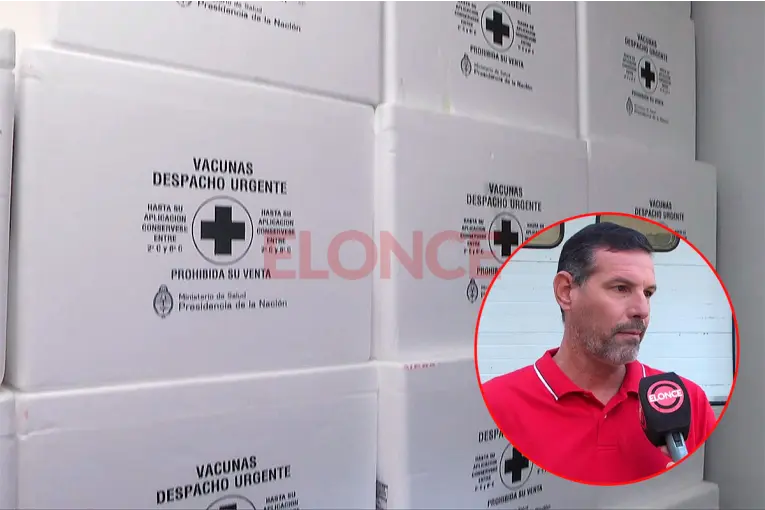
Argentina Bolsters Vaccination Efforts Ahead of School Year, Anticipates Early Flu Campaign
Health authorities in Argentina are urging citizens to ensure their vaccination records are up-to-date, particularly as the new school year approaches. A proactive approach to preventative healthcare is underway, with the arrival of both influenza and routine childhood vaccines. Claudio Niz, Head of Immunizations, recently detailed the preparations for pediatric vaccines and the schedule for influenza vaccinations, emphasizing the importance of protecting vulnerable populations. This push for widespread immunization comes as public health officials continue to monitor and address ongoing health concerns, including COVID-19.
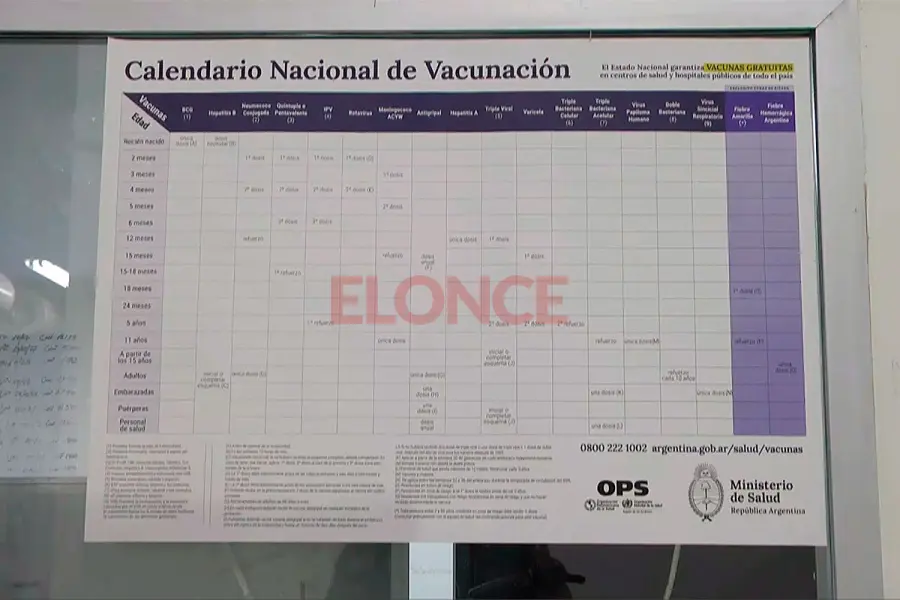
The focus on vaccination extends to multiple age groups and diseases. Niz explained that vaccinations for children initiate at age five, with optimal timing for vaccines against polio, varicella (chickenpox), and meningococcal disease. Regular check-ups with pediatricians and maintaining current vaccination records are strongly encouraged. For eleven-year-olds, vaccinations against meningococcal disease, hepatitis B, and the triple viral vaccine – protecting against measles, rubella, and mumps – are likewise recommended. These routine immunizations are critical for preventing outbreaks and safeguarding community health.
Significant changes are being implemented regarding the timing of the triple viral vaccine. Beginning with the 2024 cohort, the vaccine will now be administered at 18 months of age, a shift from the previous schedule of 12 months. This adjustment aims to provide earlier and more effective protection against these highly contagious diseases. Authorities are currently awaiting additional doses of the varicella vaccine to continue the immunization program without interruption.
Early Start to Influenza Vaccination Campaign
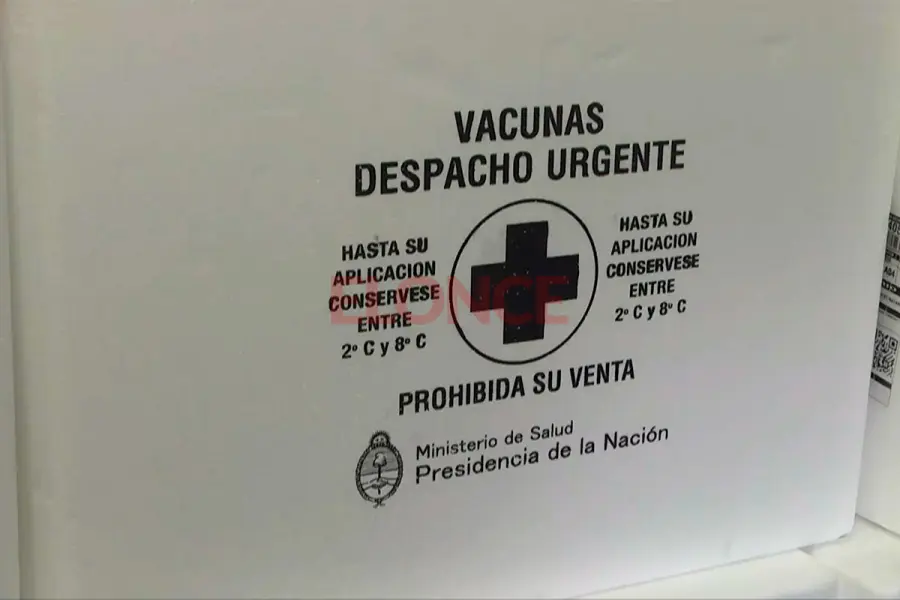
In a move to enhance public health preparedness, the Argentinian Nation has expedited the distribution of influenza vaccine doses. This allows for the campaign to begin earlier than in previous years, potentially as early as March 11, 2026. “Yesterday we received the doses for distribution and the start of the flu campaign. We will begin with the most vulnerable groups: healthcare personnel, pregnant women, postpartum women, and children aged 6 to 24 months,” Niz stated. The campaign will then expand to include residents of long-term care facilities, such as nursing homes. This earlier start date is expected to improve logistical capacity and ensure broader coverage before the peak of the influenza season.

The Ministry of Health continues to administer COVID-19 vaccine doses alongside the routine and influenza vaccination programs. Niz emphasized the ongoing efforts to promote the benefits of vaccination, warning that unvaccinated individuals face the risk of severe complications and even death. These continued vaccination efforts are a cornerstone of Argentina’s public health strategy.
Legal Framework and Parental Rights
Argentina has a legal framework in place to support vaccination efforts and protect public health. In cases where parents refuse to vaccinate their children, a report is submitted to the National Commission on Vaccines (COPNAF) and the Family Court to ensure appropriate measures are taken. This process underscores the government’s commitment to safeguarding children’s health and preventing the spread of preventable diseases. The legal basis for these actions stems from Argentina’s broader public health laws and regulations designed to protect the well-being of its citizens.
The importance of maintaining up-to-date vaccination records cannot be overstated. Vaccines are a safe and effective way to protect individuals and communities from a range of infectious diseases. By adhering to recommended vaccination schedules, parents and individuals can contribute to a healthier future for all. The early start to the influenza campaign and the adjustments to the triple viral vaccine schedule demonstrate Argentina’s proactive approach to public health and its commitment to protecting its population.
As the influenza vaccine distribution is slated to begin around March 11, 2026, It’s crucial for eligible individuals to seek vaccination as soon as possible. Further updates and detailed information regarding vaccination schedules and locations will be available through the Ministry of Health’s official channels. Staying informed and taking preventative measures are essential steps in safeguarding personal and community health.
The ongoing COVID-19 vaccination campaign remains a vital component of Argentina’s public health strategy. While significant progress has been made in vaccination coverage, continued efforts are needed to reach all eligible individuals and maintain high levels of immunity. The Ministry of Health continues to encourage vaccination as the most effective way to protect against severe illness, hospitalization, and death from COVID-19.
The combination of routine childhood vaccinations, the influenza campaign, and the ongoing COVID-19 vaccination efforts represents a comprehensive approach to public health in Argentina. By prioritizing preventative care and ensuring access to vaccines, the country is working to protect its citizens and build a healthier future. The commitment to adapting vaccination schedules and expediting vaccine distribution demonstrates a proactive and responsive public health system.
We encourage readers to share this information with their communities and to consult with their healthcare providers for personalized vaccination advice. Your comments and questions are welcome below.
Related reading