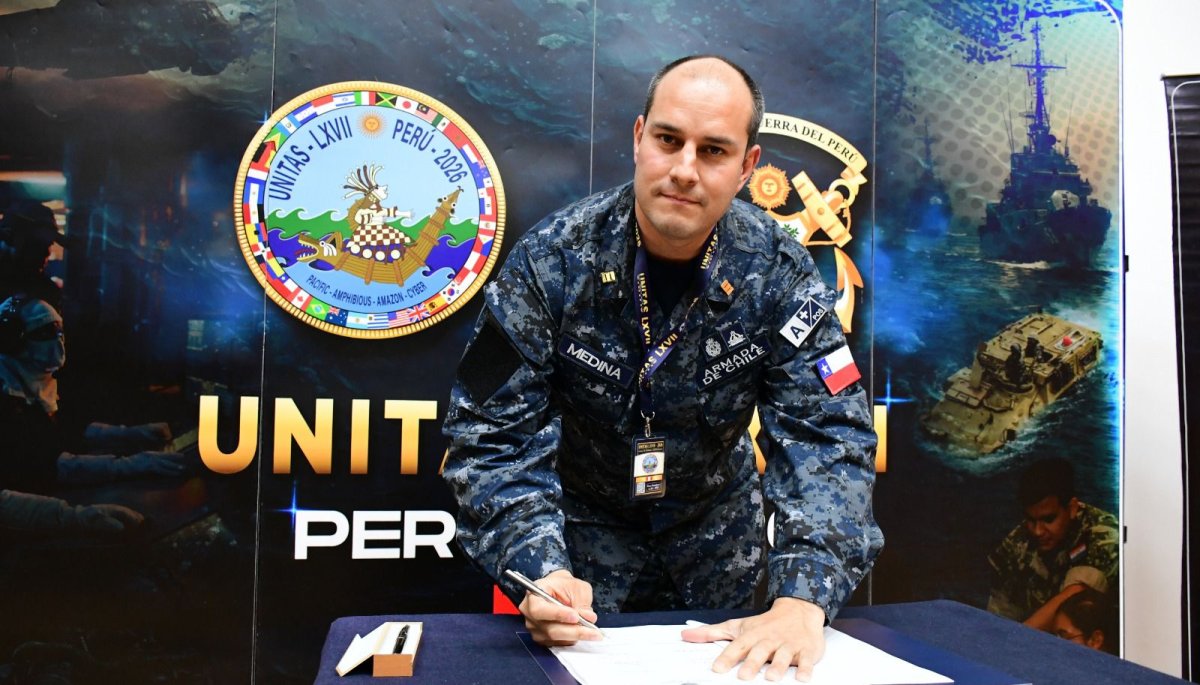
The multinational instance allowed for the consolidation of the operational coordination of the exercise, which will take place in September in various areas of Peru, and concluded with the signing of the Memorandum of Understanding by all participating countries.
The exercise is designed to enhance interoperability between naval forces, focusing on humanitarian assistance, disaster relief, and maritime interdiction. The iteration in Peru represents a continuation of these efforts to standardize communication and tactical responses in complex littoral environments.
Operational Coordination
The multinational instance brought together military delegations from multiple partner nations to synchronize logistics, communication frequencies, and tactical objectives. According to official reports from the Marina de Guerra del Perú, the instance allowed commanders to refine the specific areas of operations where the exercises will occur. By finalizing the Memorandum of Understanding, participating countries have committed to a unified command structure, which is essential for the success of such large-scale maritime operations.
For the Chilean Navy, participation in these planning stages is vital for maintaining the readiness of its fleet. The exercises typically involve a mix of surface, sub-surface, and aerial assets. By coordinating in advance, the Armada de Chile ensures that its vessels and crews can integrate seamlessly with regional partners.
Why Multinational Maritime Exercises Matter
The significance of the exercise extends beyond simple training. It serves as a diplomatic and strategic tool to maintain stability. The training scenarios often mirror real-world challenges, including the suppression of illicit maritime activities and the rapid coordination required during natural disasters.
The focus on the Peruvian maritime sector highlights the strategic importance of the shipping lanes. By practicing in diverse environments—ranging from deep-water naval warfare drills to coastal search-and-rescue operations—the participating navies ensure they are prepared to respond to threats that transcend national borders. This collaborative approach is a direct application of international maritime security mandates, which emphasize collective action to ensure freedom of navigation and the protection of sovereign waters.
Timeline and Next Steps
With the planning phase concluded, the focus now shifts to the mobilization of naval assets. The exercises are slated for September, during which time the Peruvian coast will host a significant concentration of international naval power. Ahead of the deployment, participating nations will conduct internal readiness reviews to ensure that all equipment and personnel meet the standards agreed upon during the Lima conference.
The next major checkpoint will be the arrival of the international task force in Peruvian ports for the opening ceremonies of the exercise. Observers and stakeholders can track updates regarding the specific naval units involved and the exercise schedule through the official communications channels of the Armada de Chile and the Peruvian Navy as the September start date approaches. We encourage our readers to share their perspectives on the importance of regional naval cooperation in the comments section below.
Keep reading